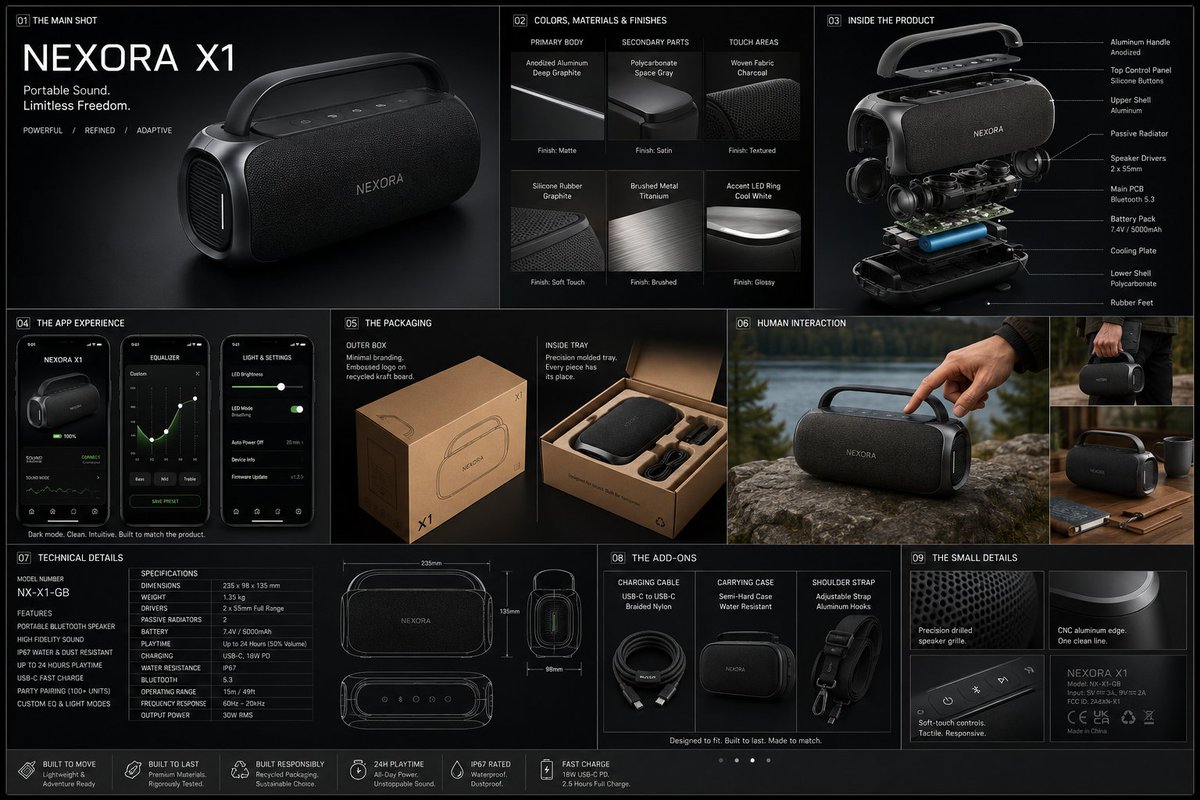
Prompt topic
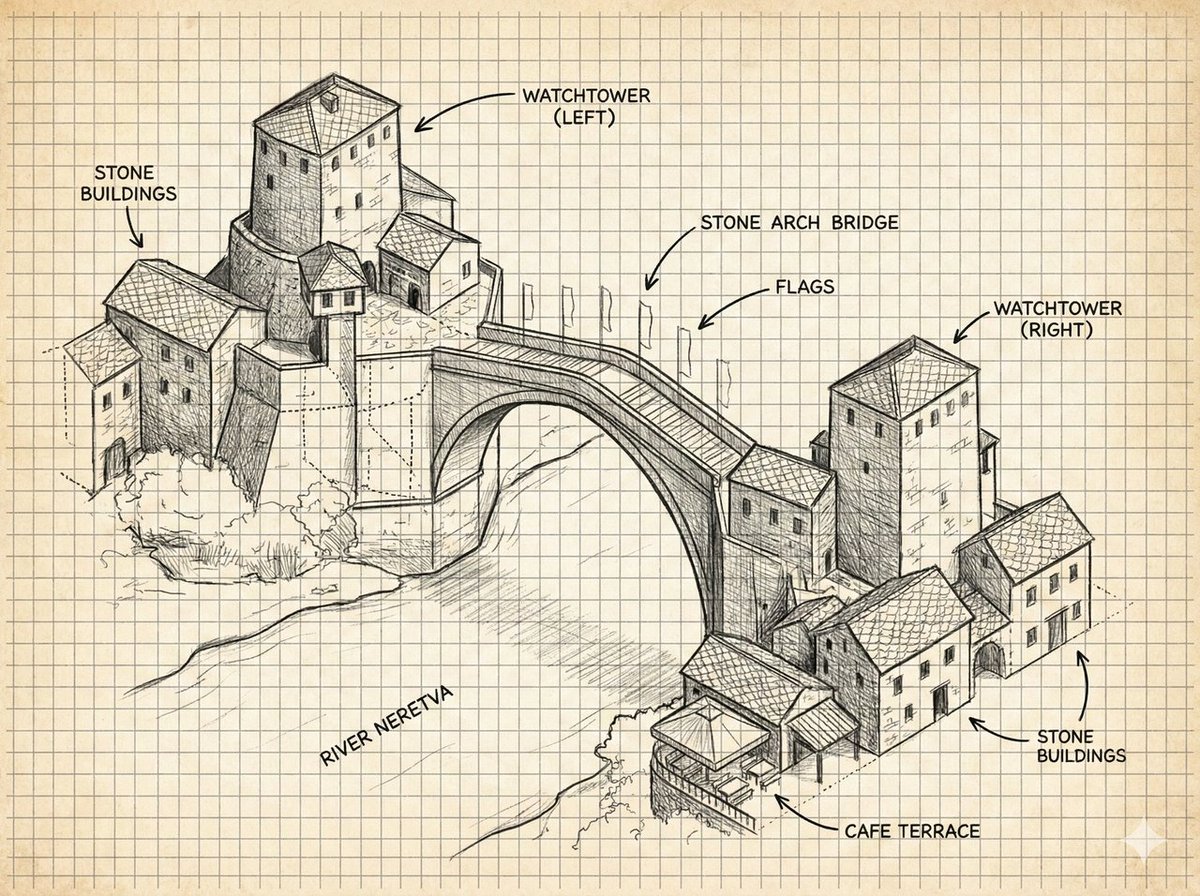
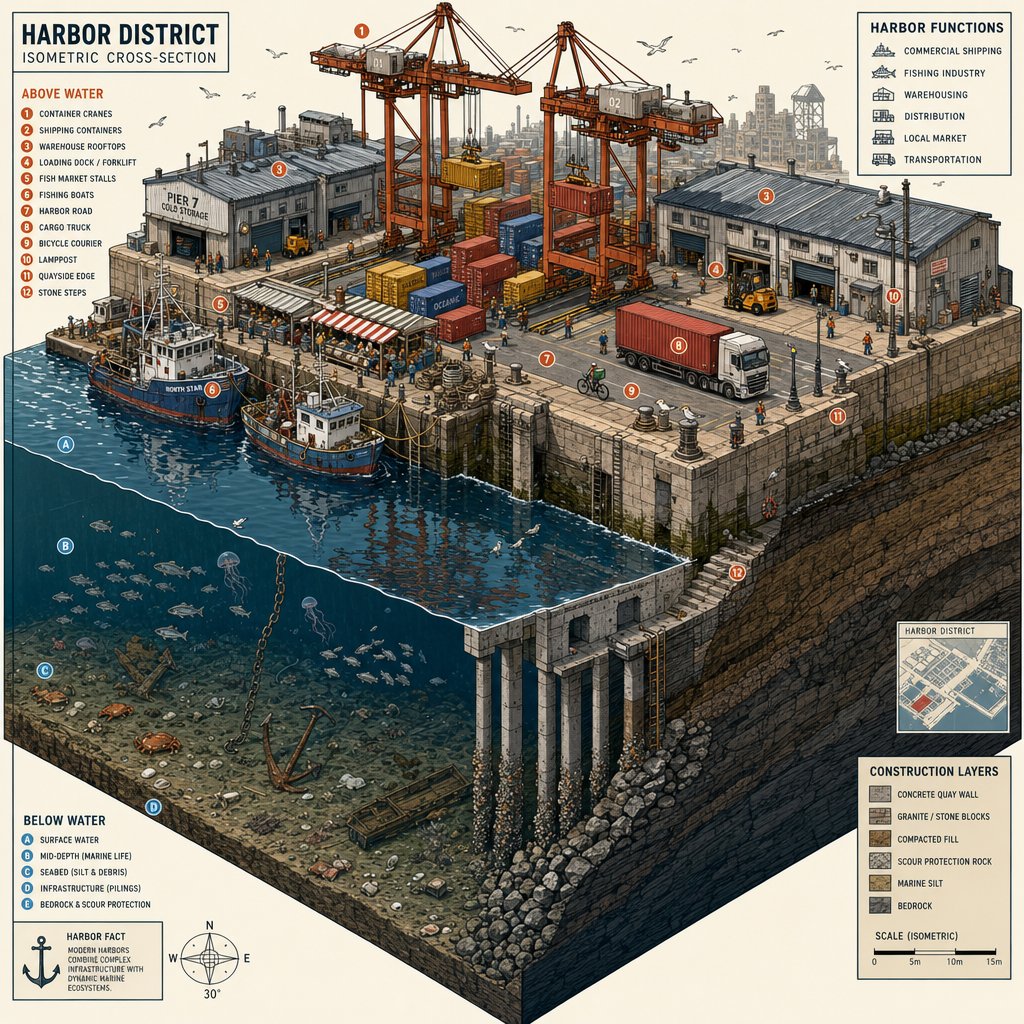
isometric AI image prompts
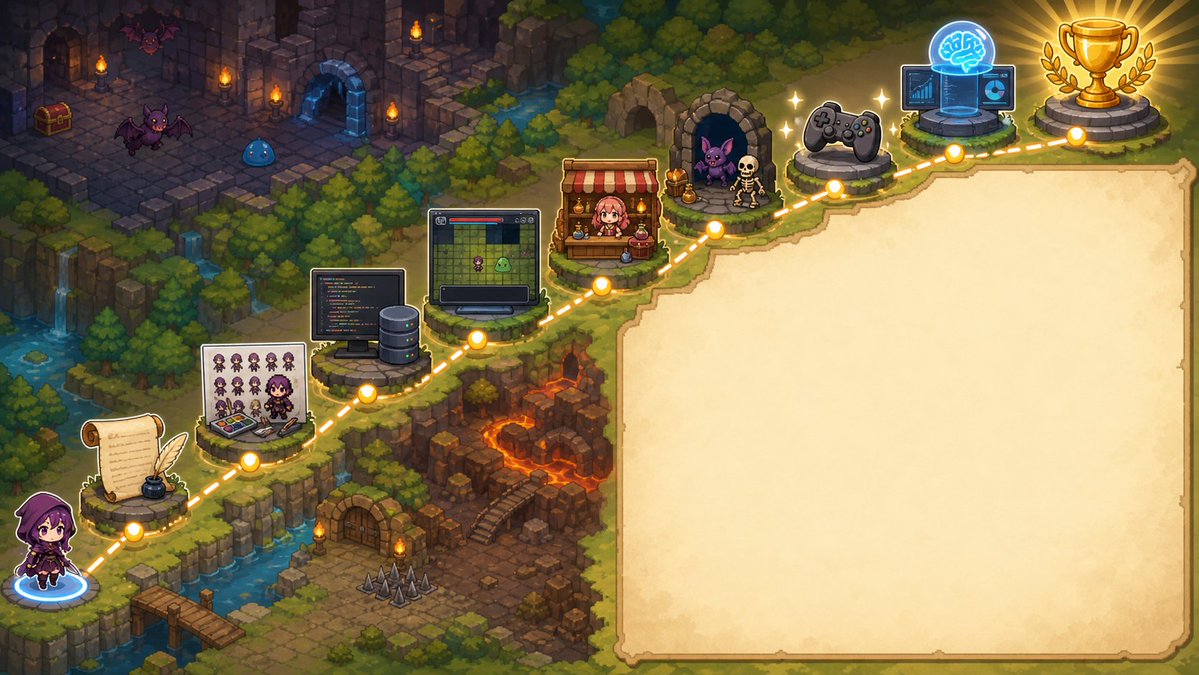
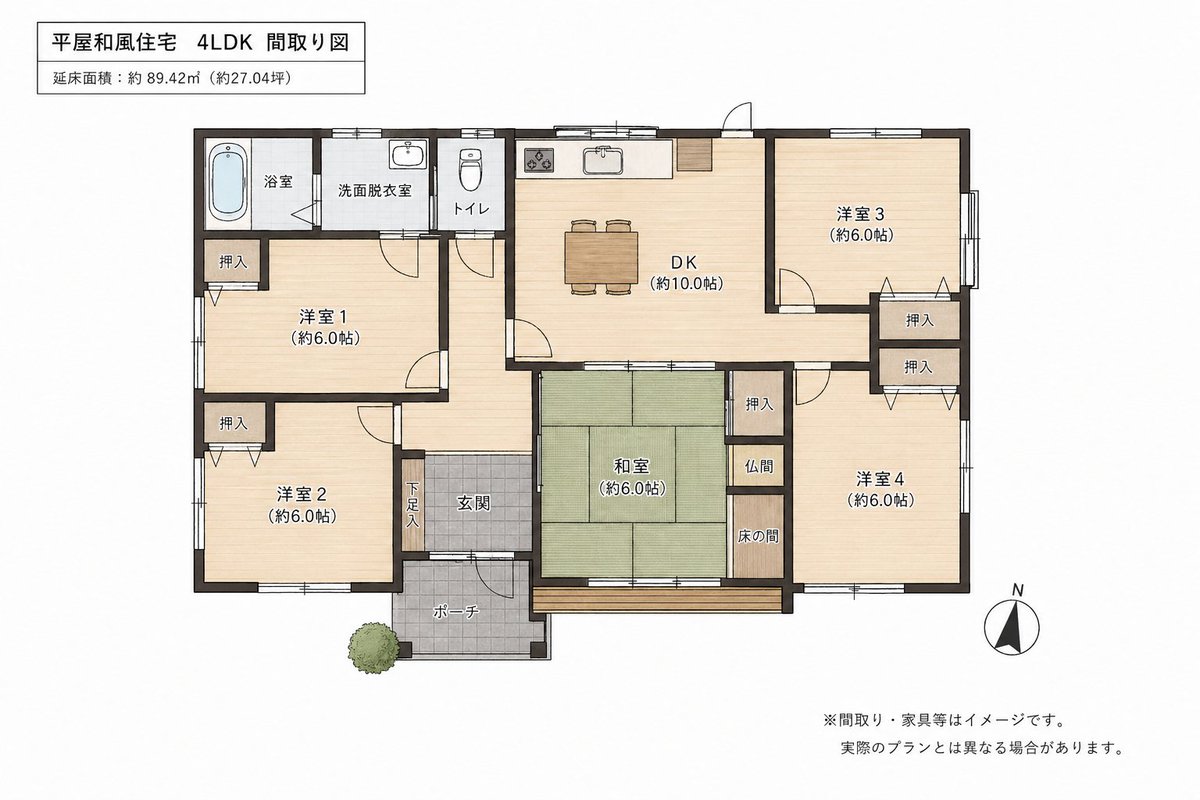
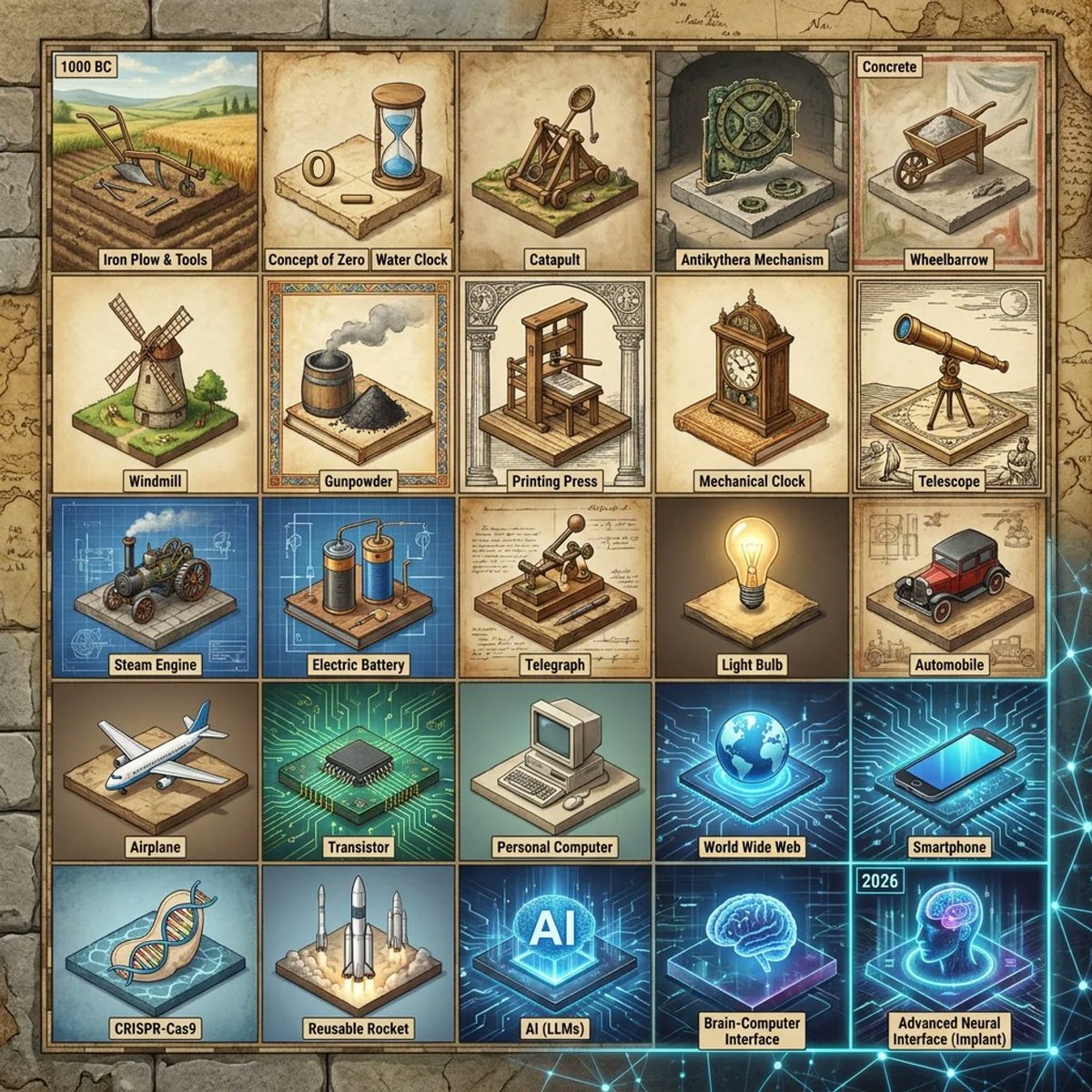
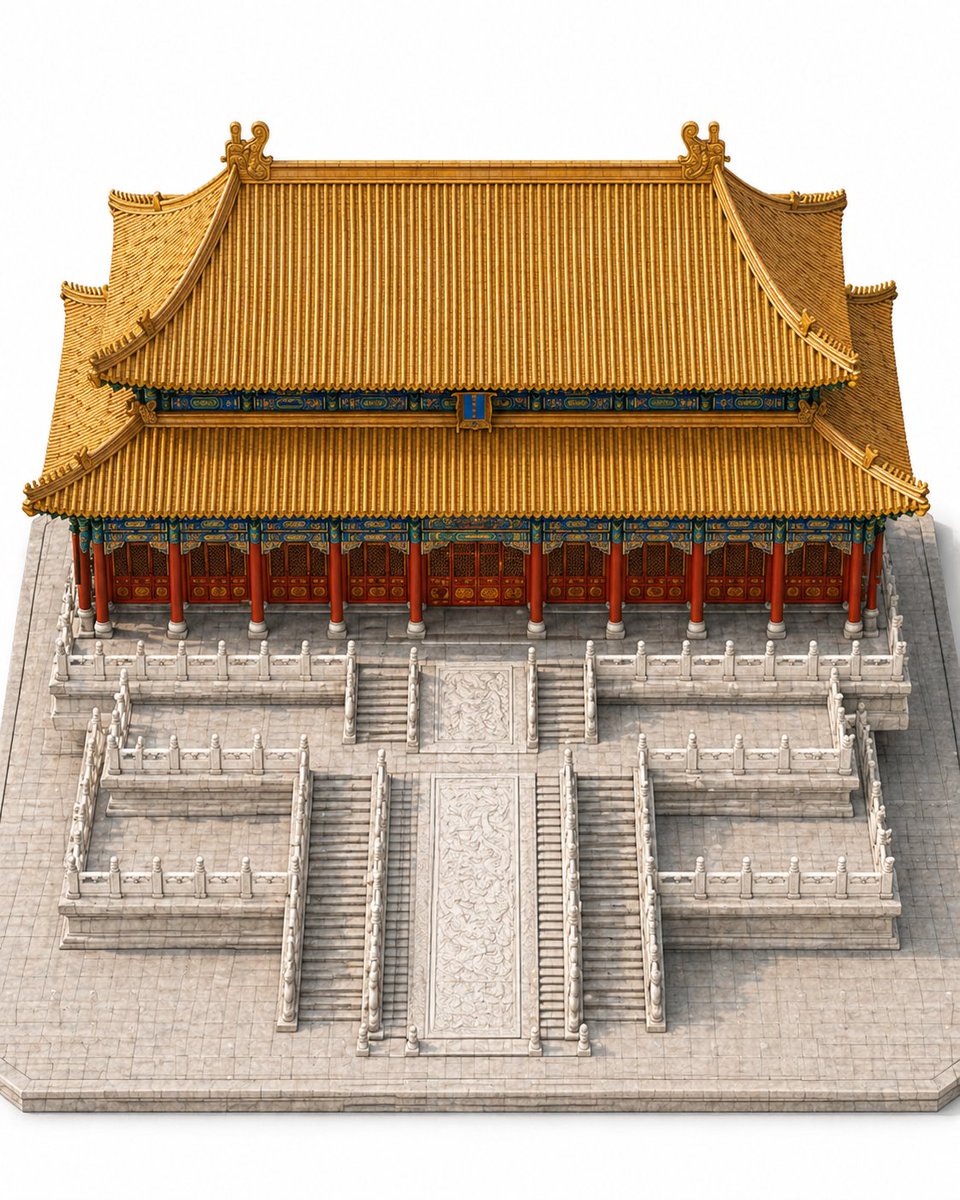
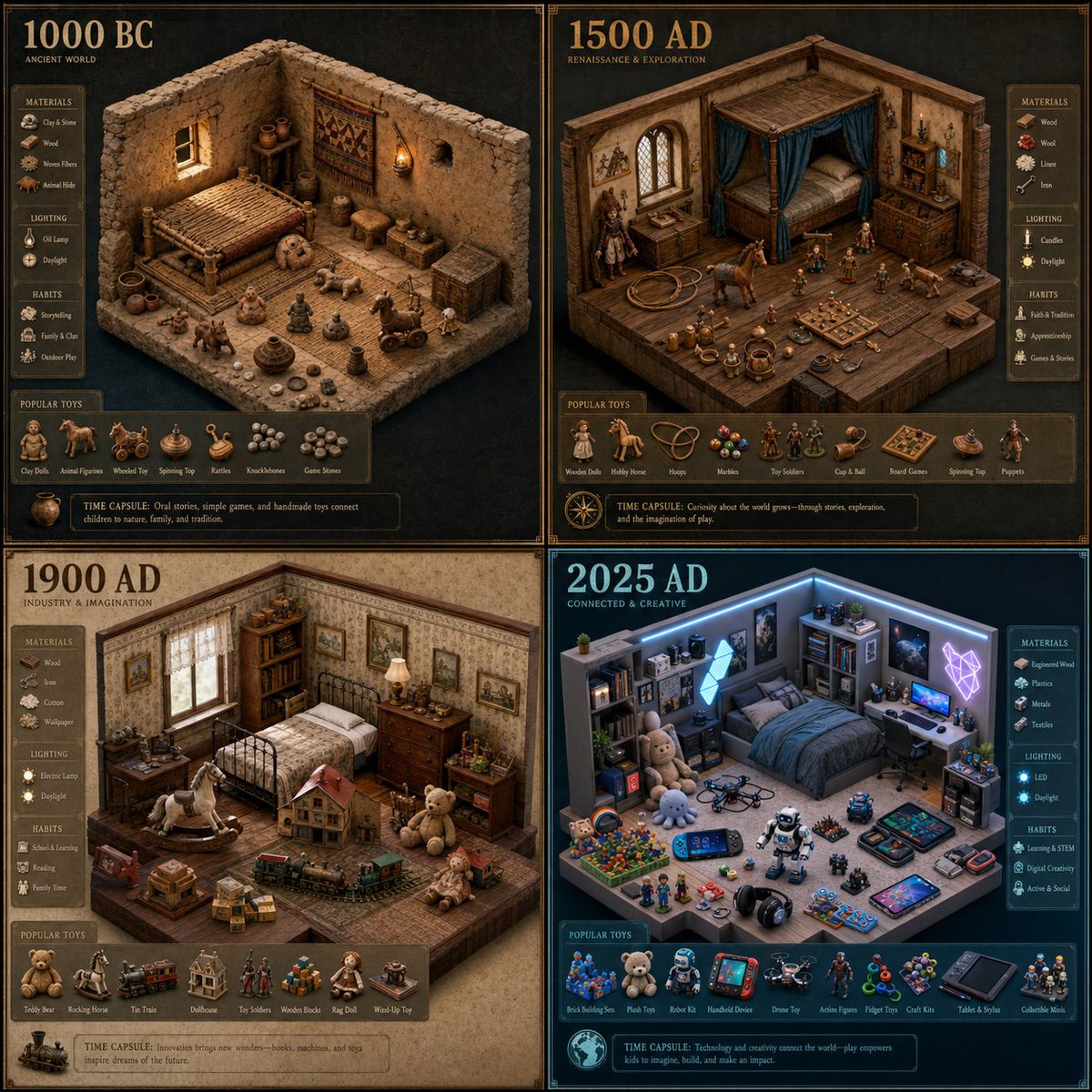
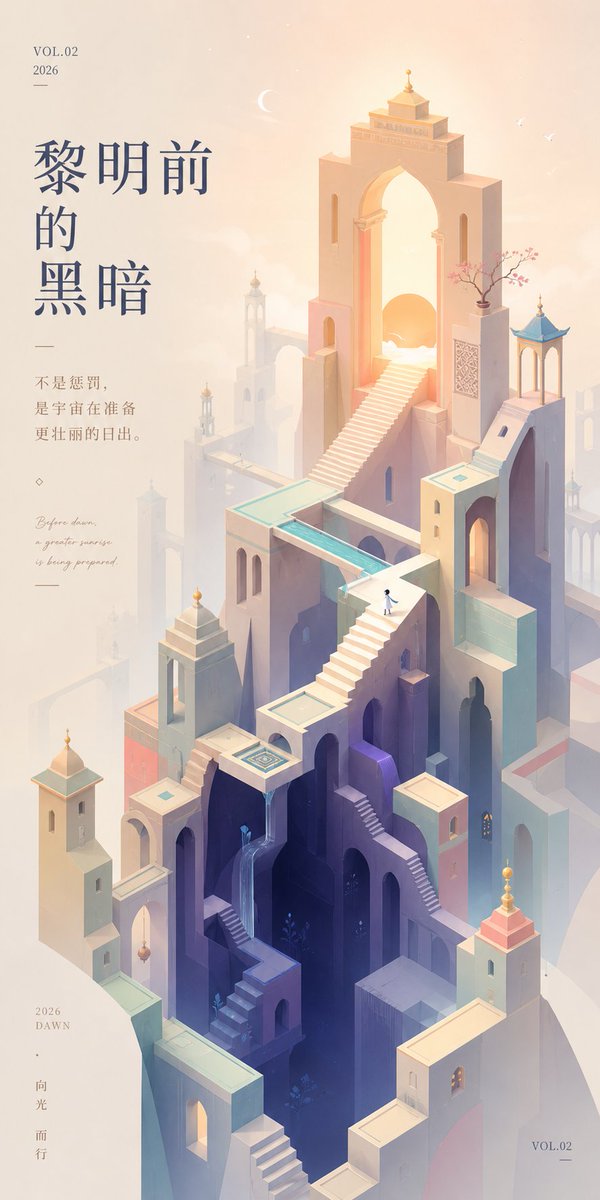
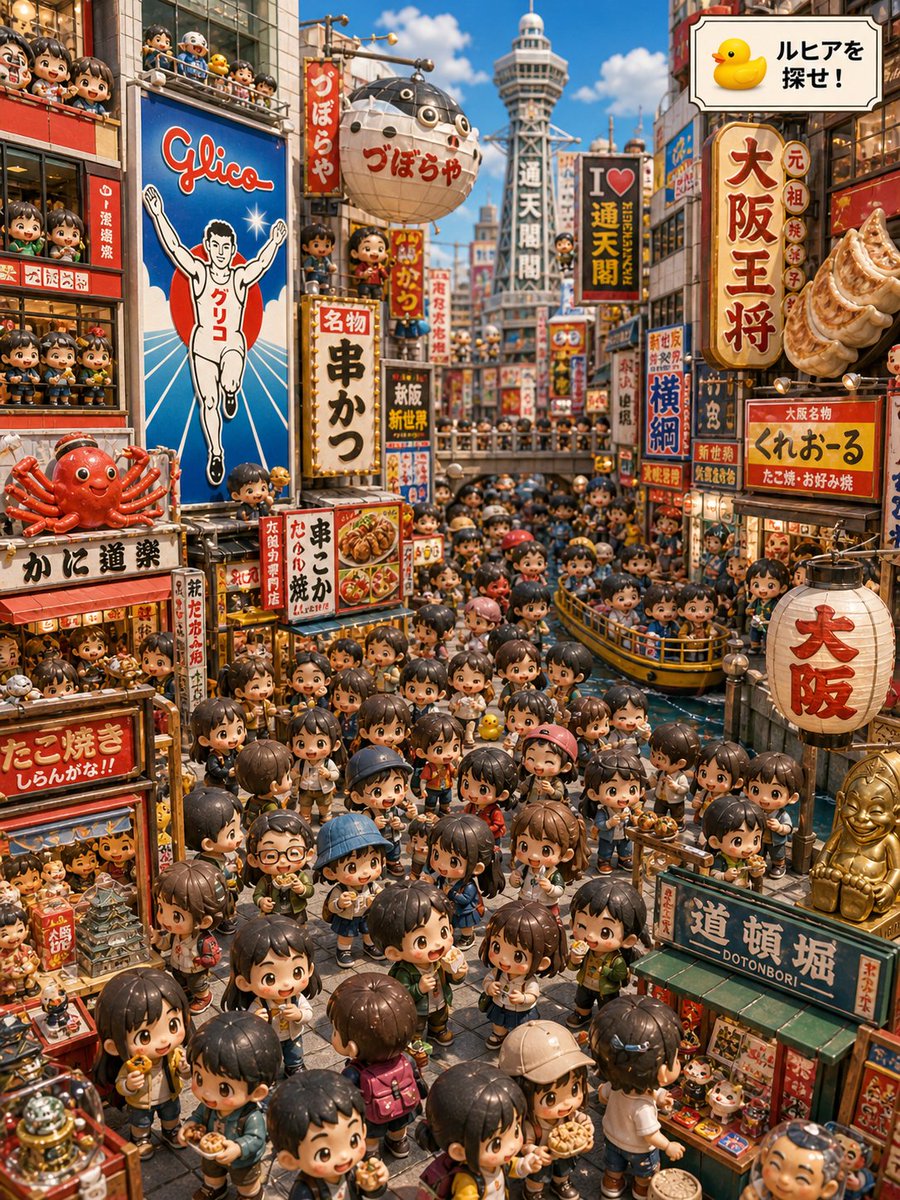
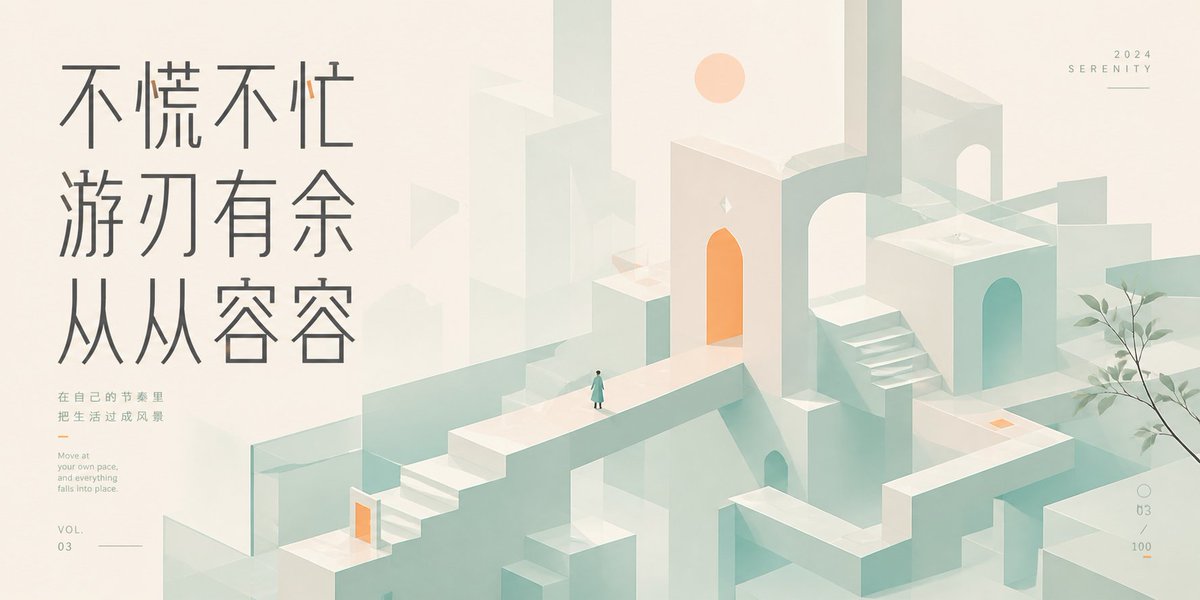
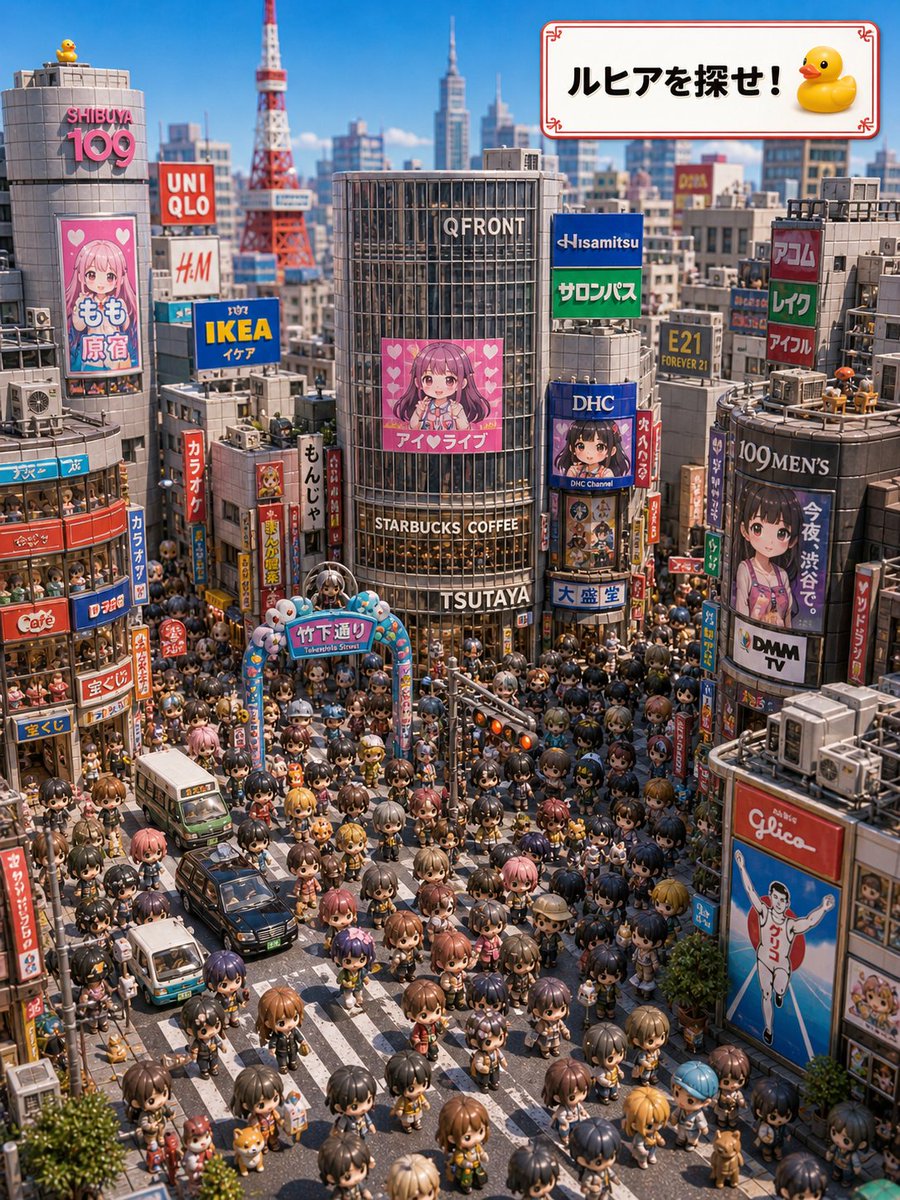
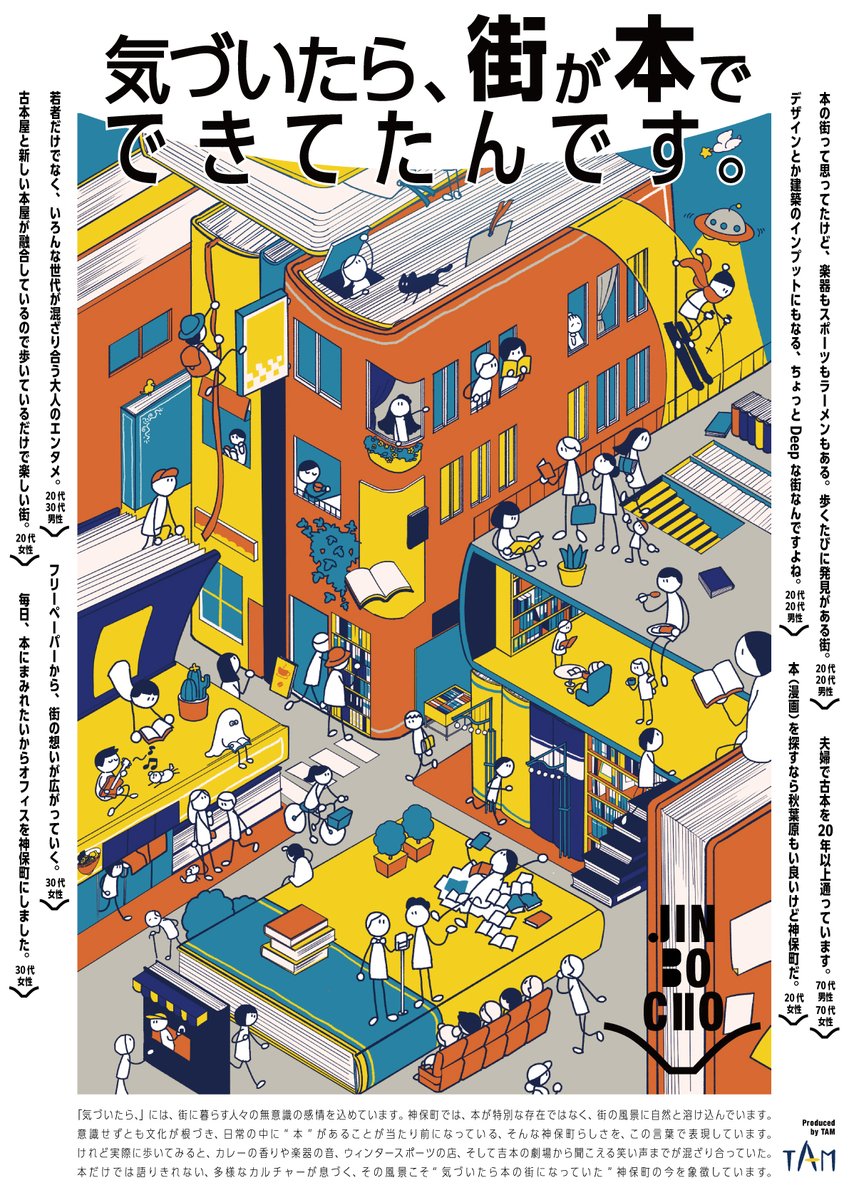
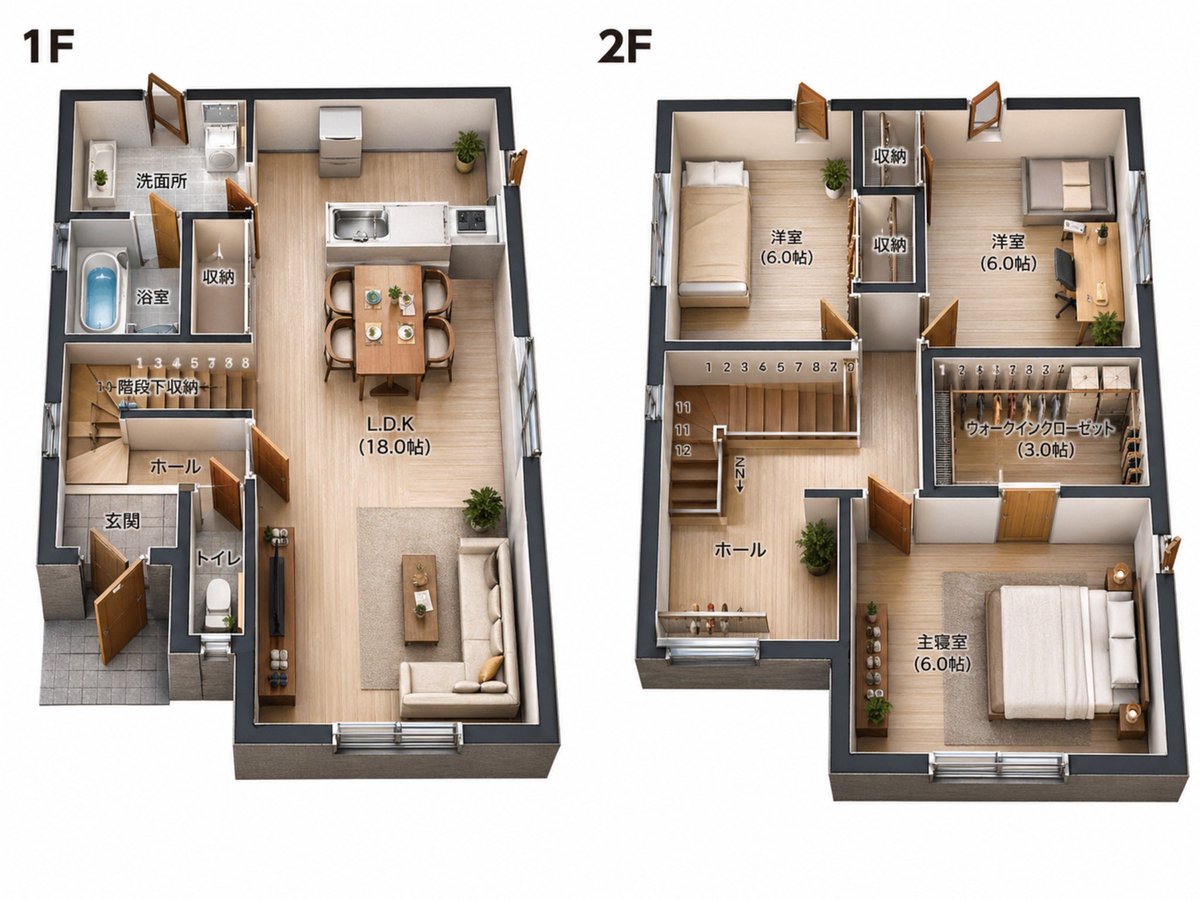
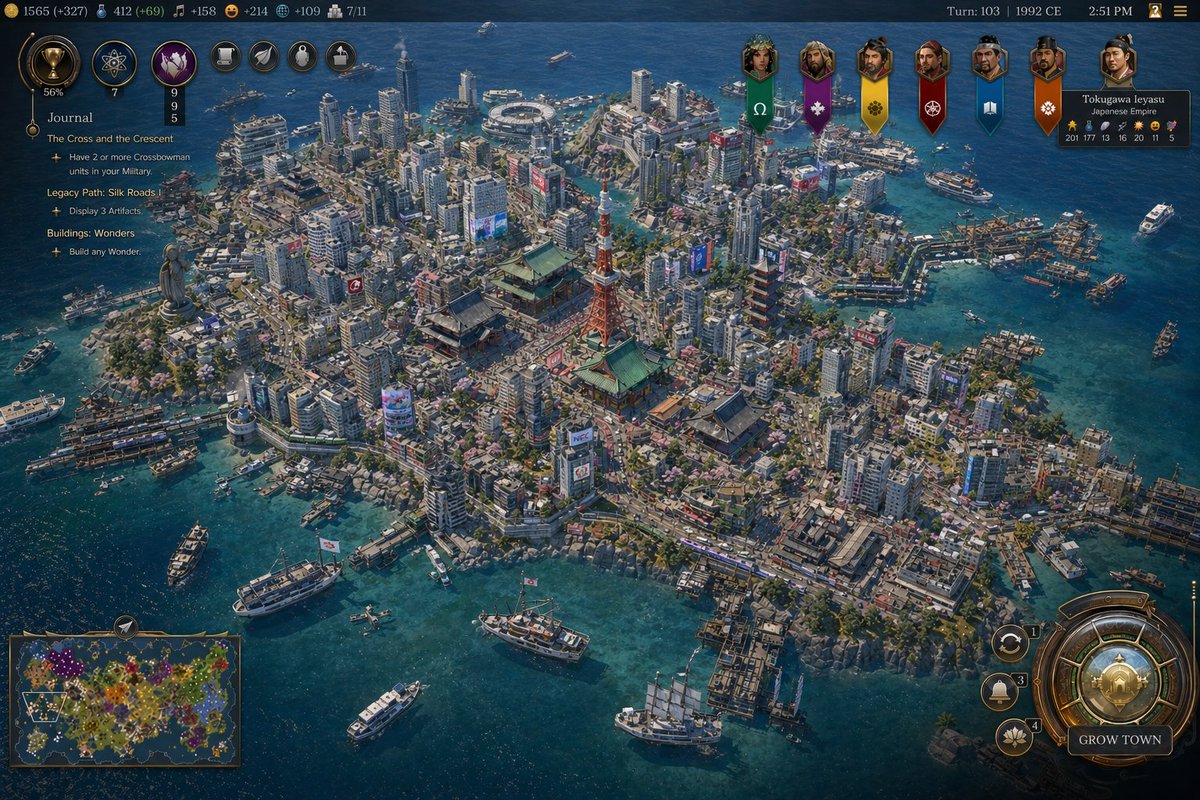
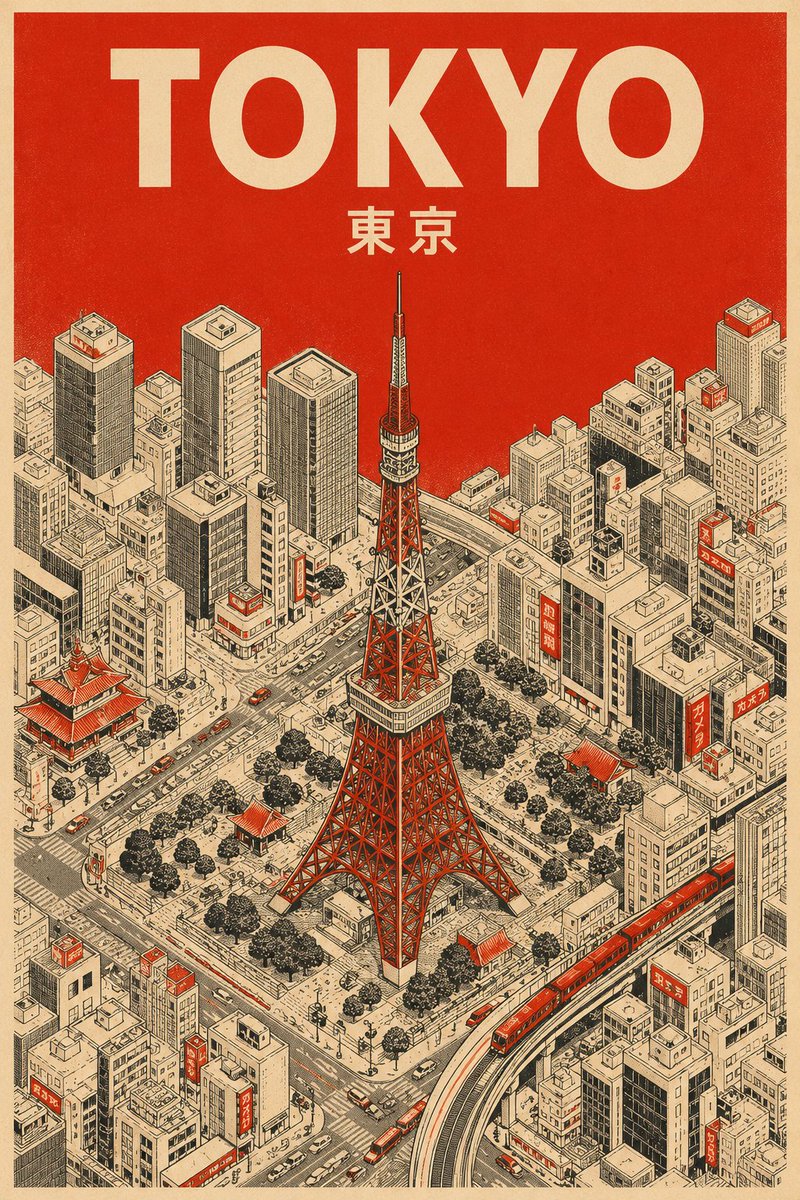
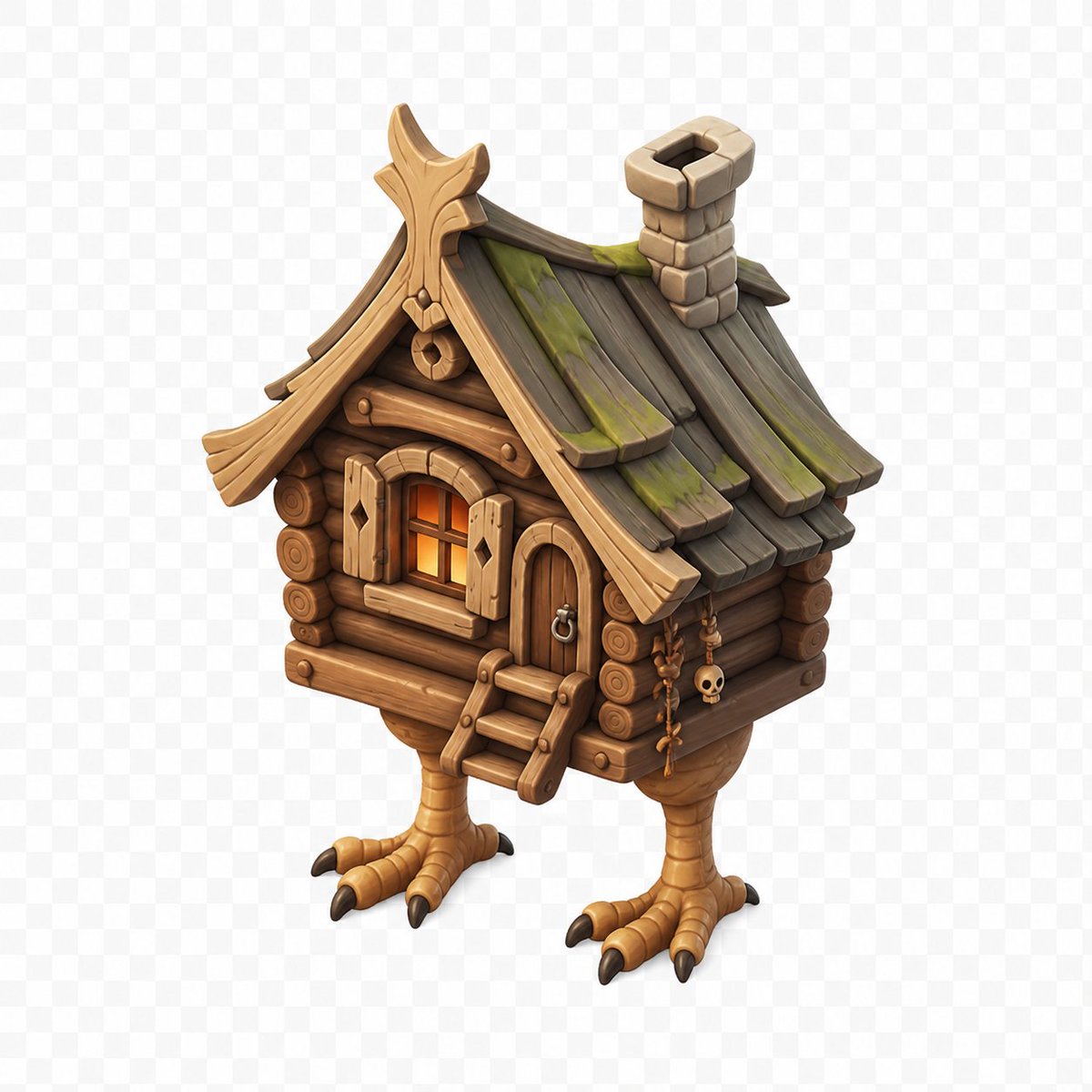
Isometric prompts help you turn a broad visual direction into a reusable GPT Image 2 brief with subject, context, composition, style, and reuse checks in one place.
Best uses
Best uses for isometric prompts
- - Exploring isometric visual directions
- - Building source-attributed prompt examples
- - Comparing styles, scenes, and output goals
- - Adapting existing cases into safer production briefs
Prompt structure
Prompt structure that works
- - Start with the subject and intended output
- - Add context, composition, lighting, and style cues
- - Specify constraints such as aspect ratio, background, or copy space
- - Keep attribution and commercial-use review visible
Adaptation
How to adapt these examples
- - Replace the subject and goal before changing style
- - Tune camera, lighting, and output constraints
- - Review source, likeness, brand, and third-party artwork risks

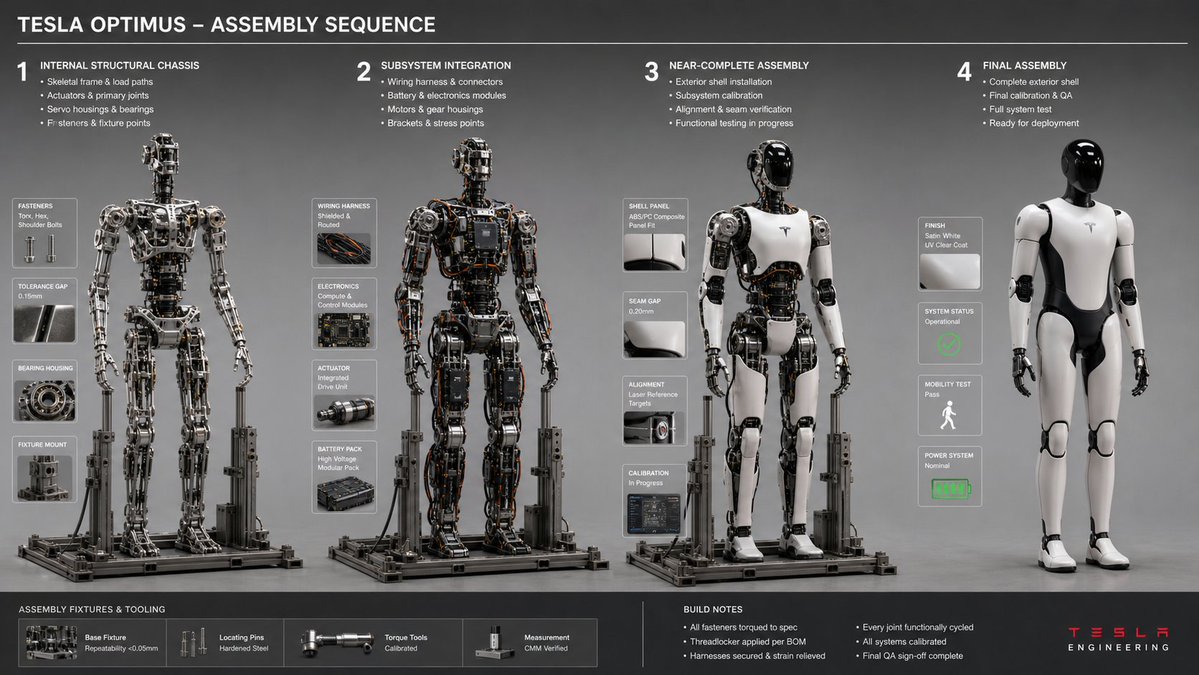
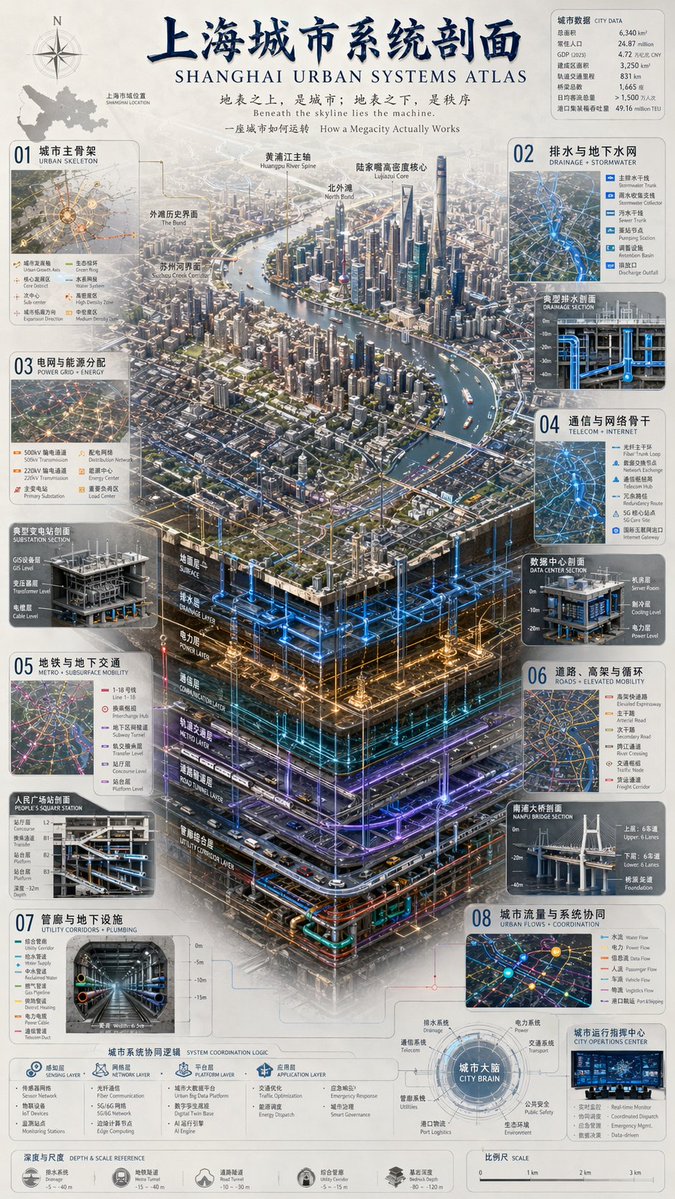
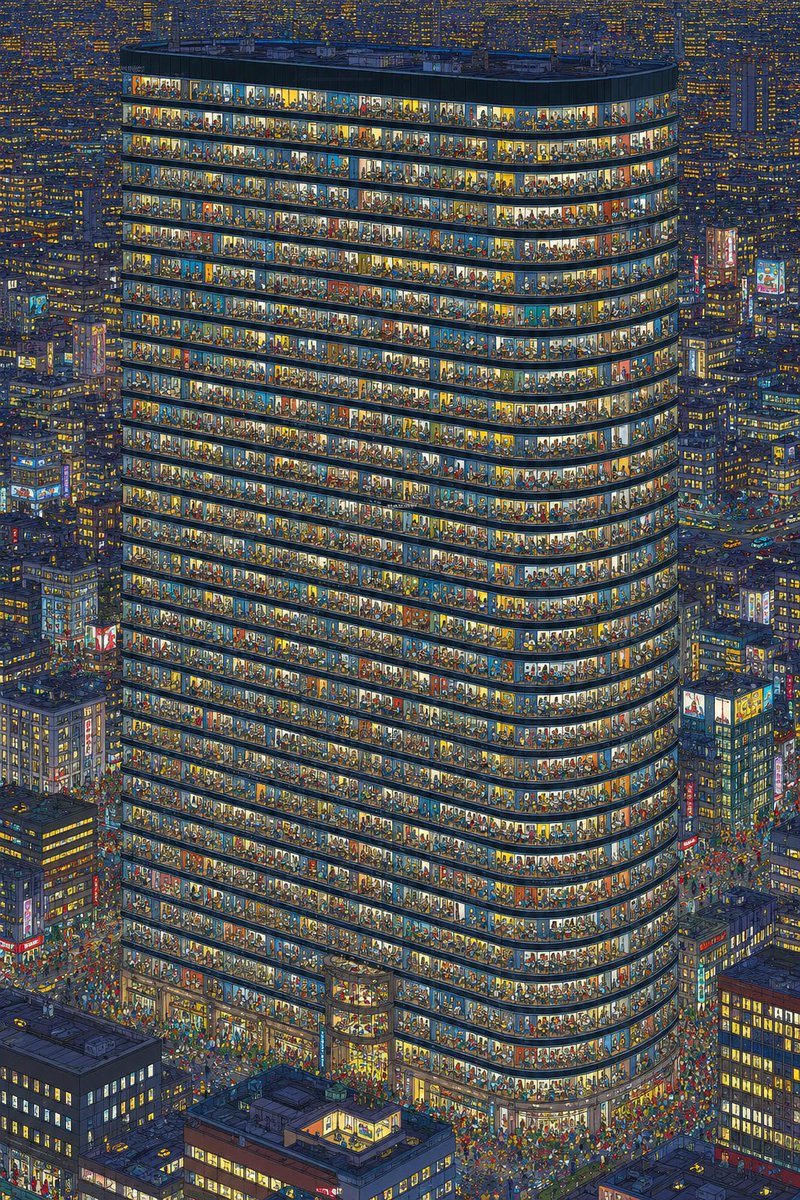
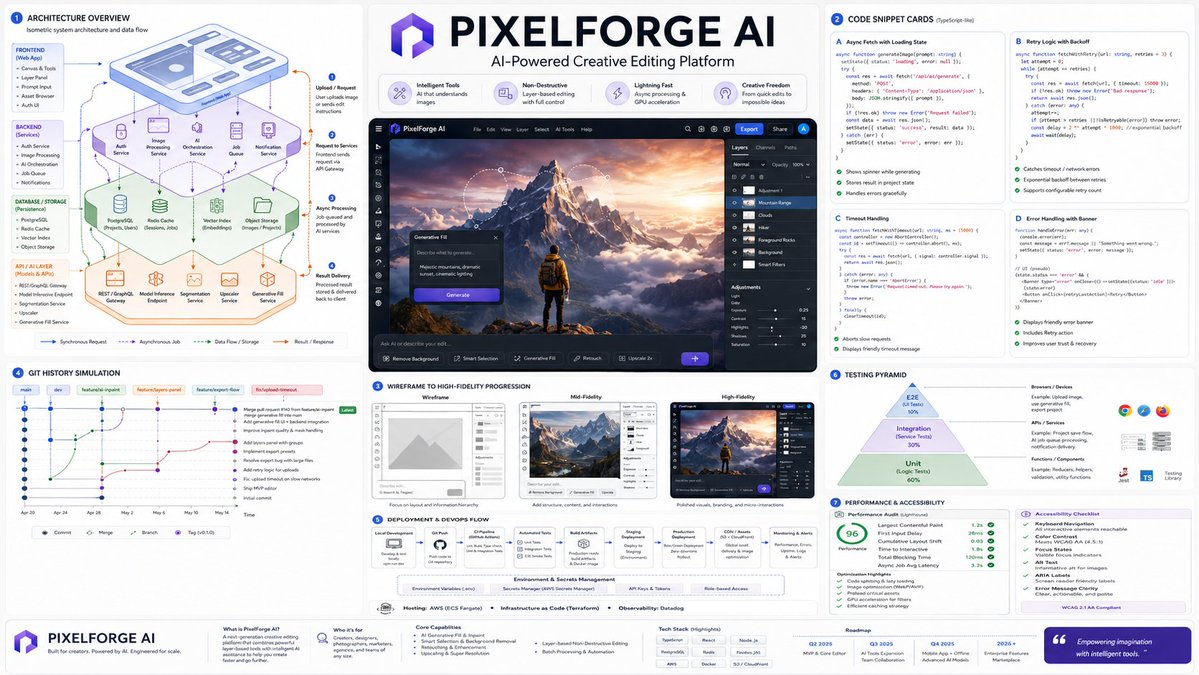

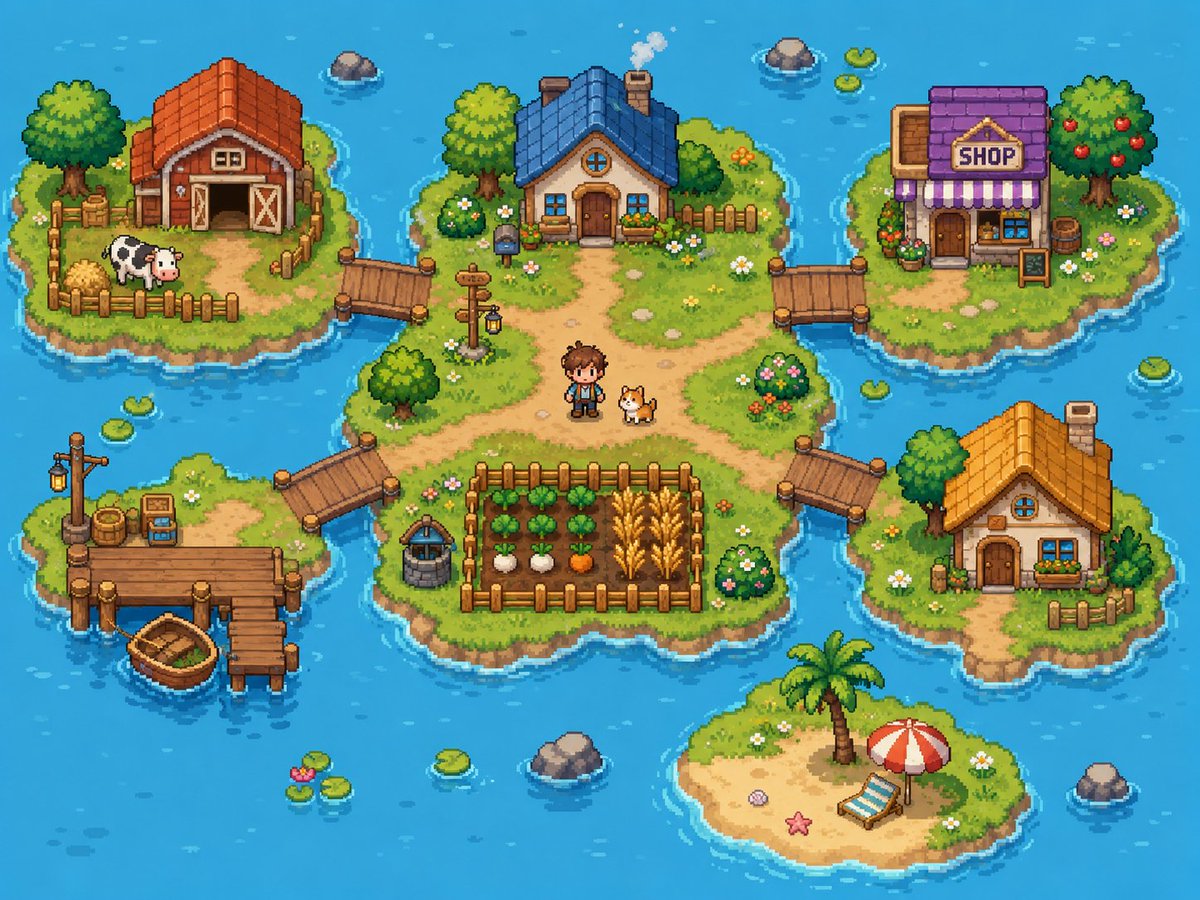

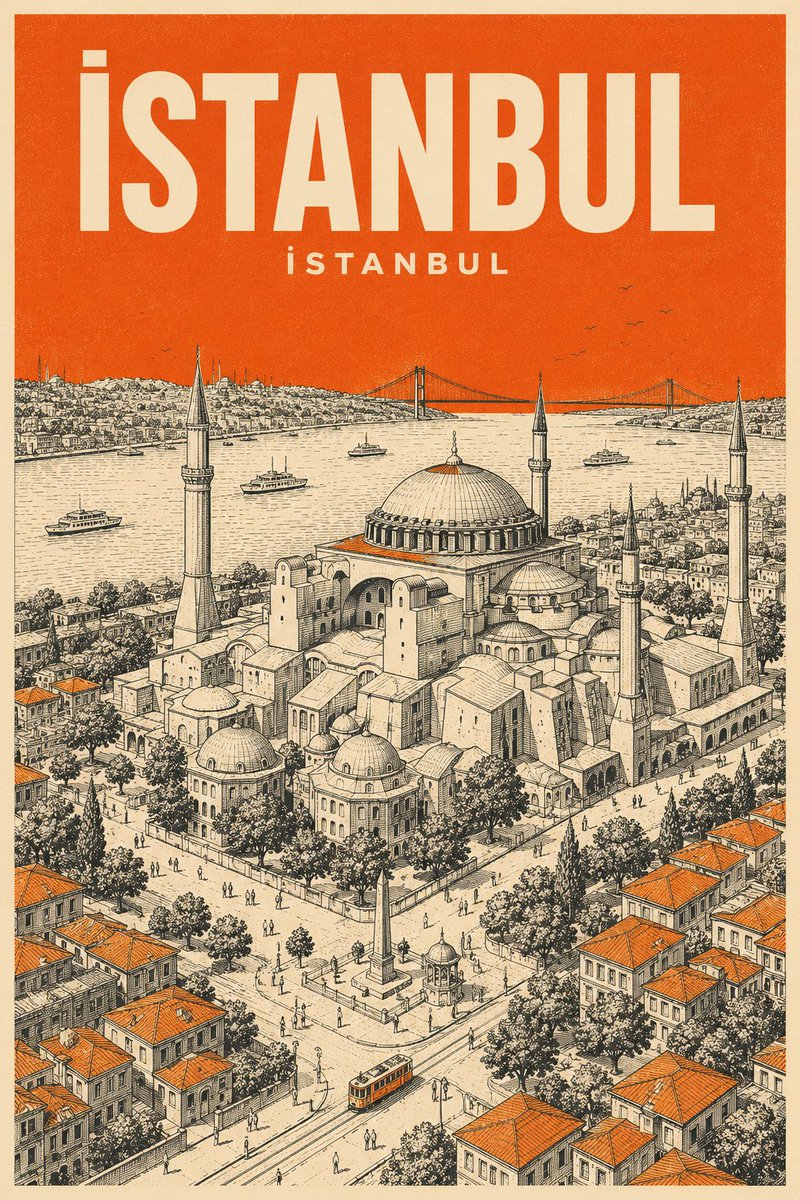
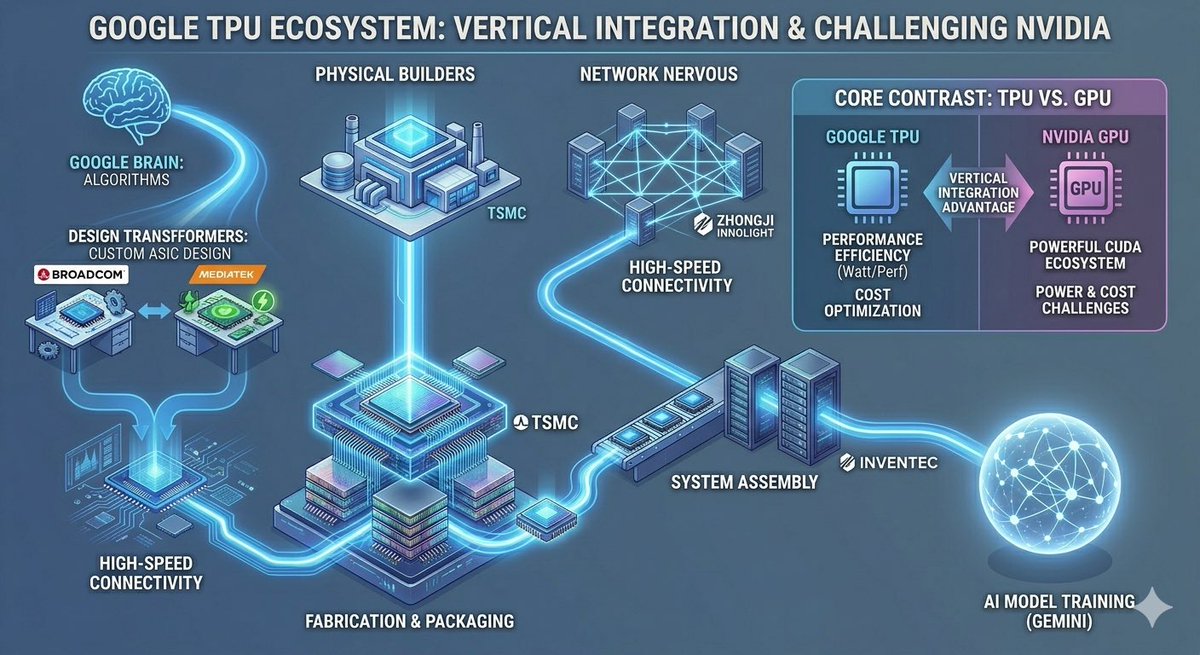
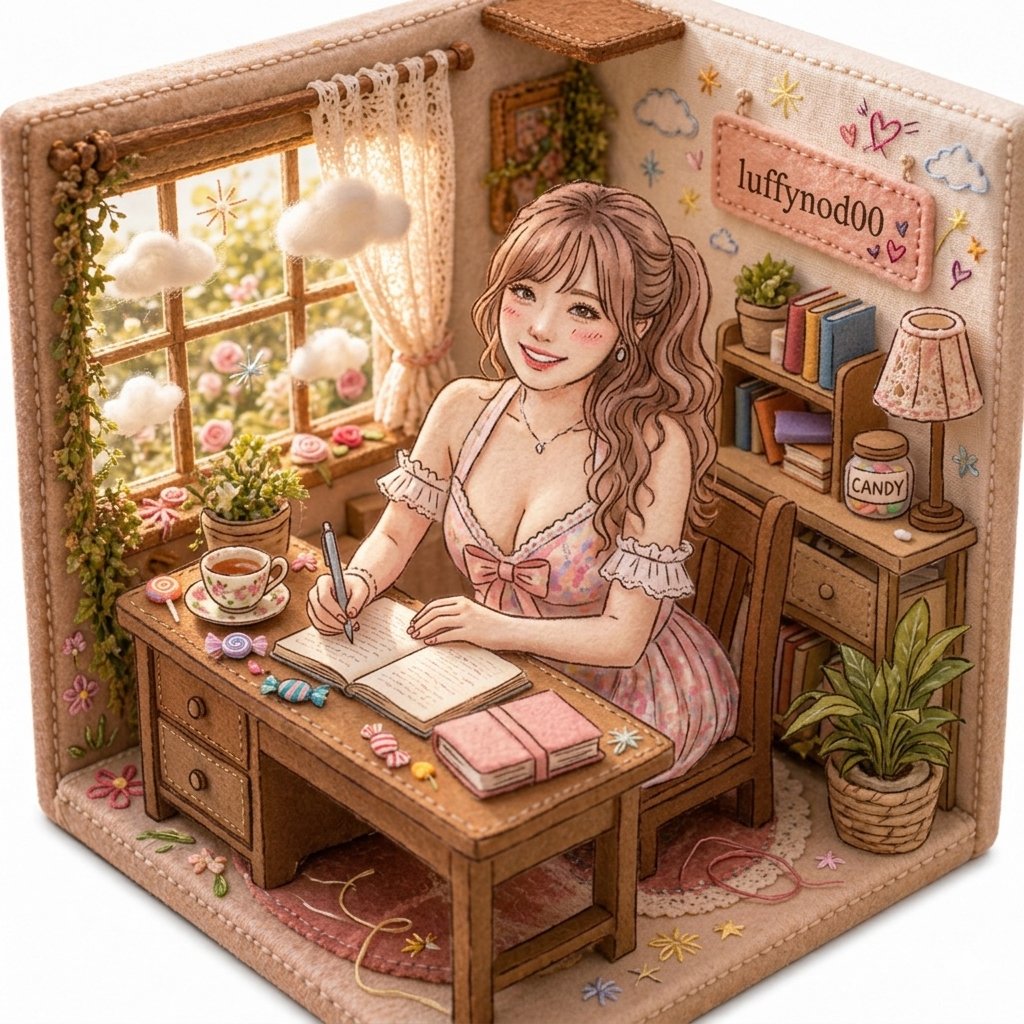


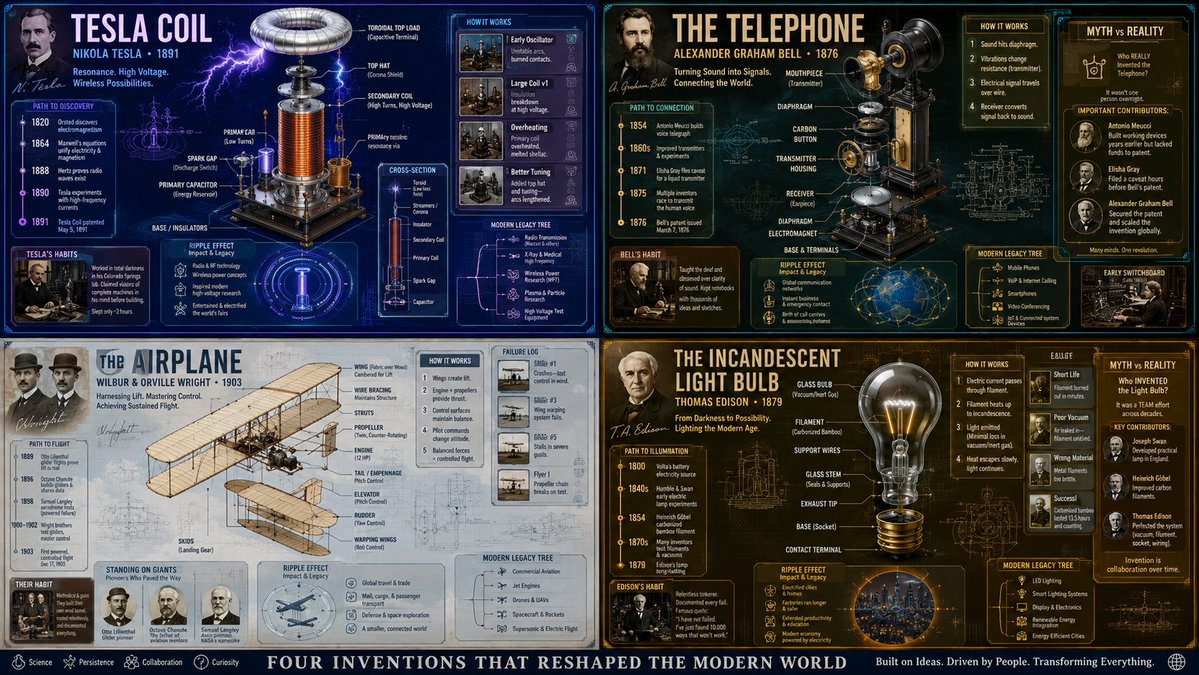
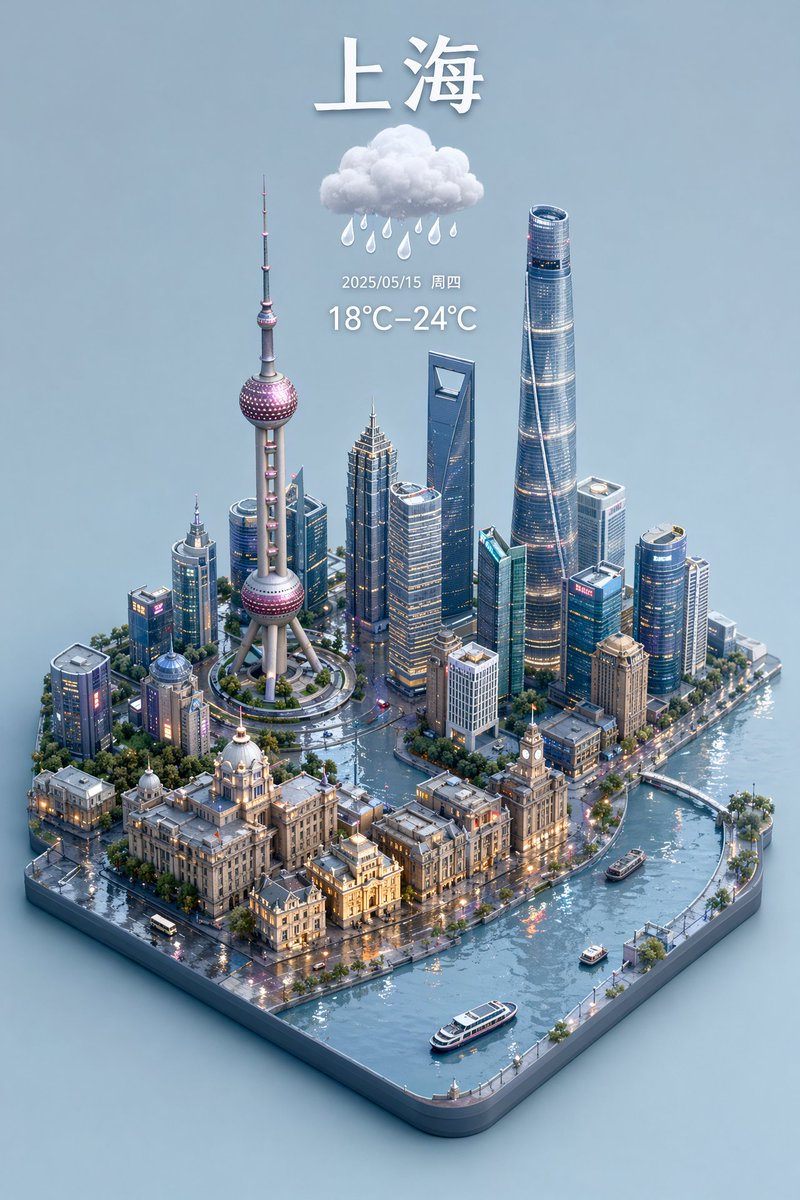
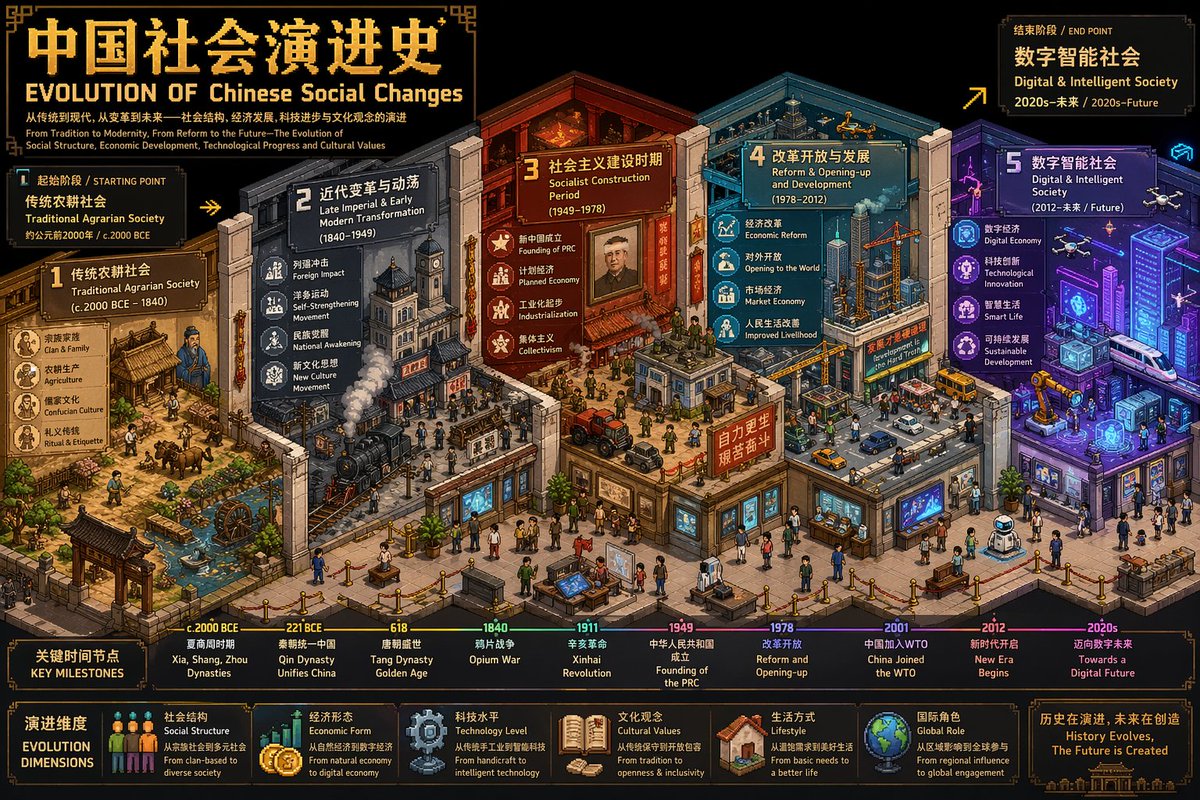
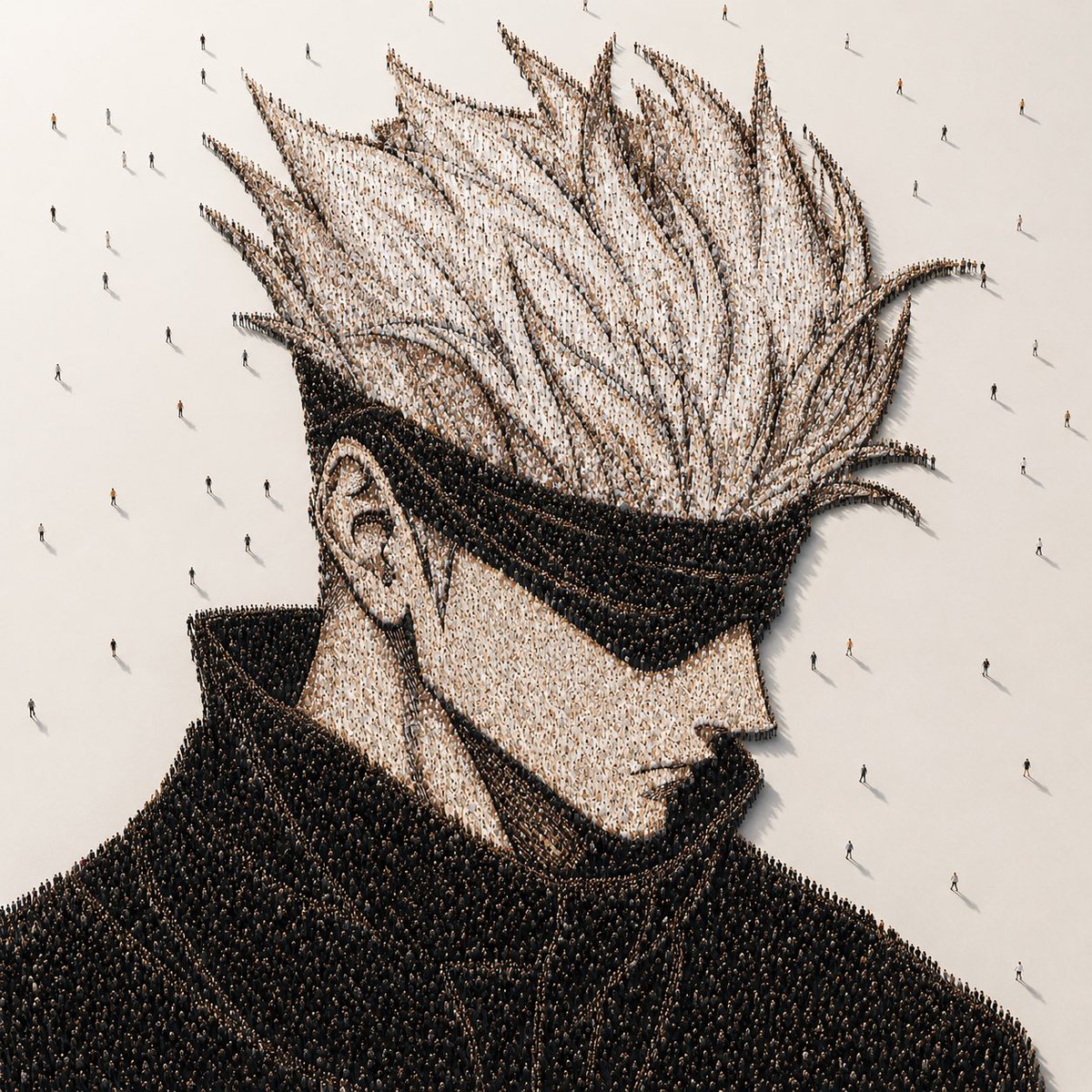



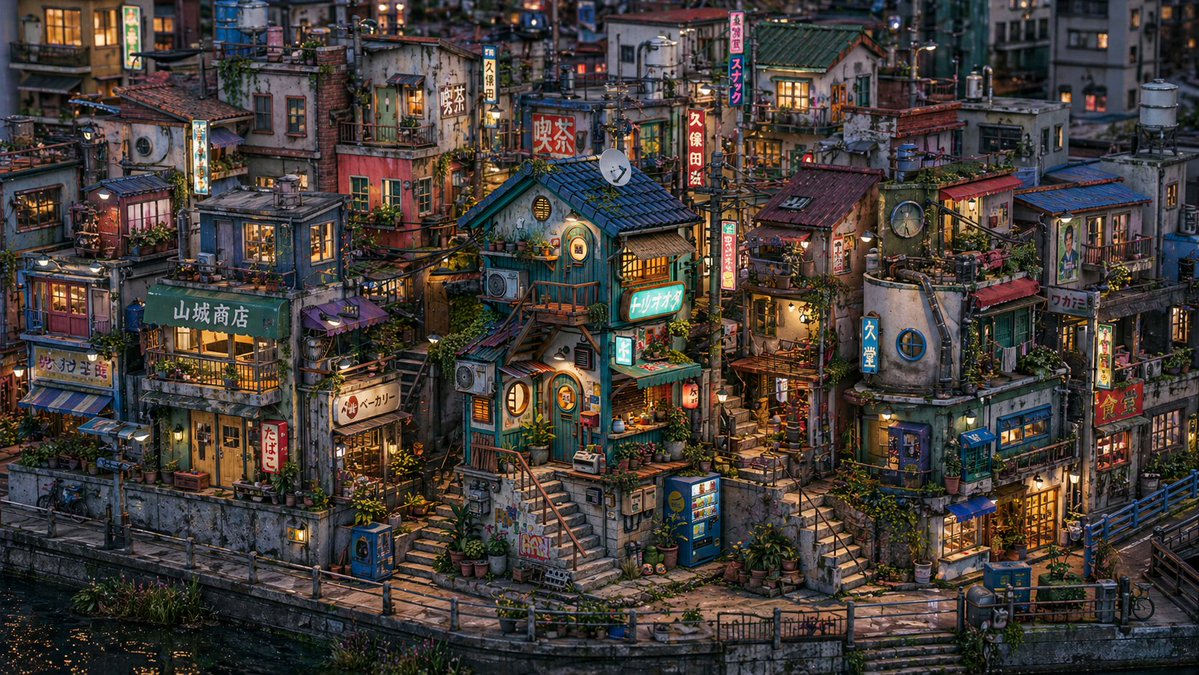
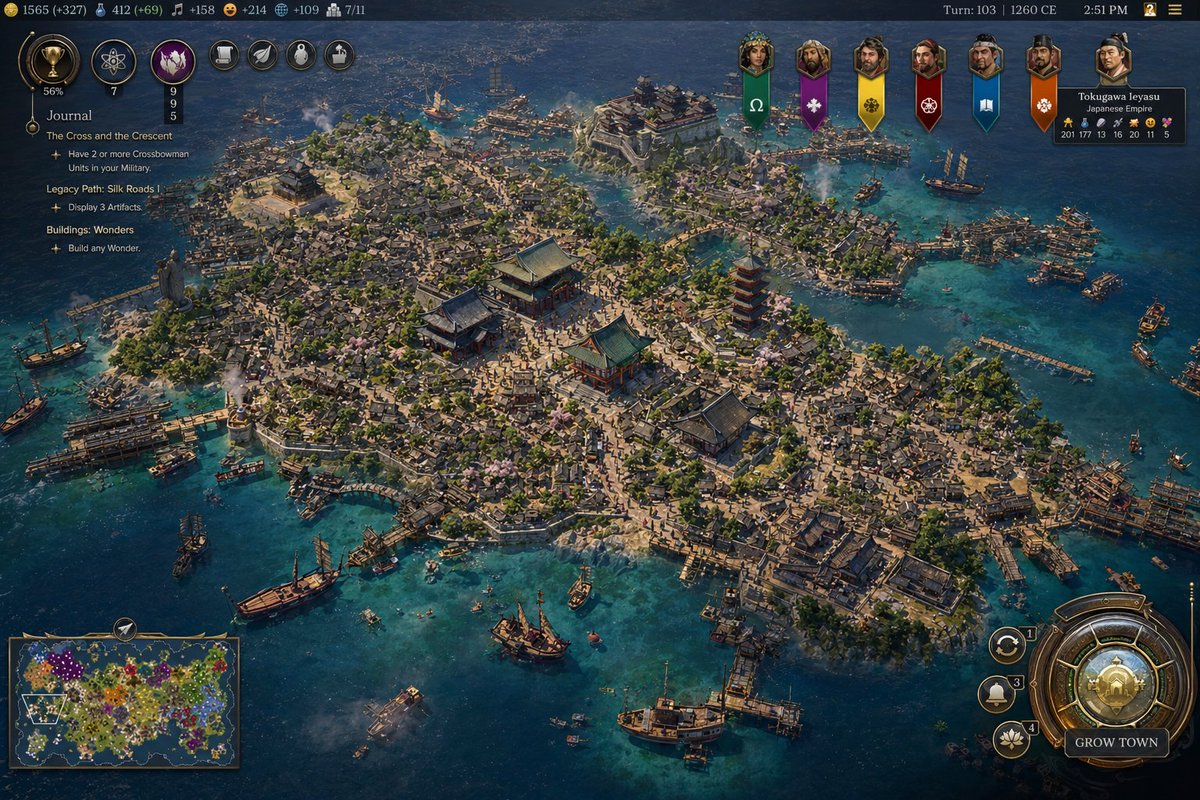
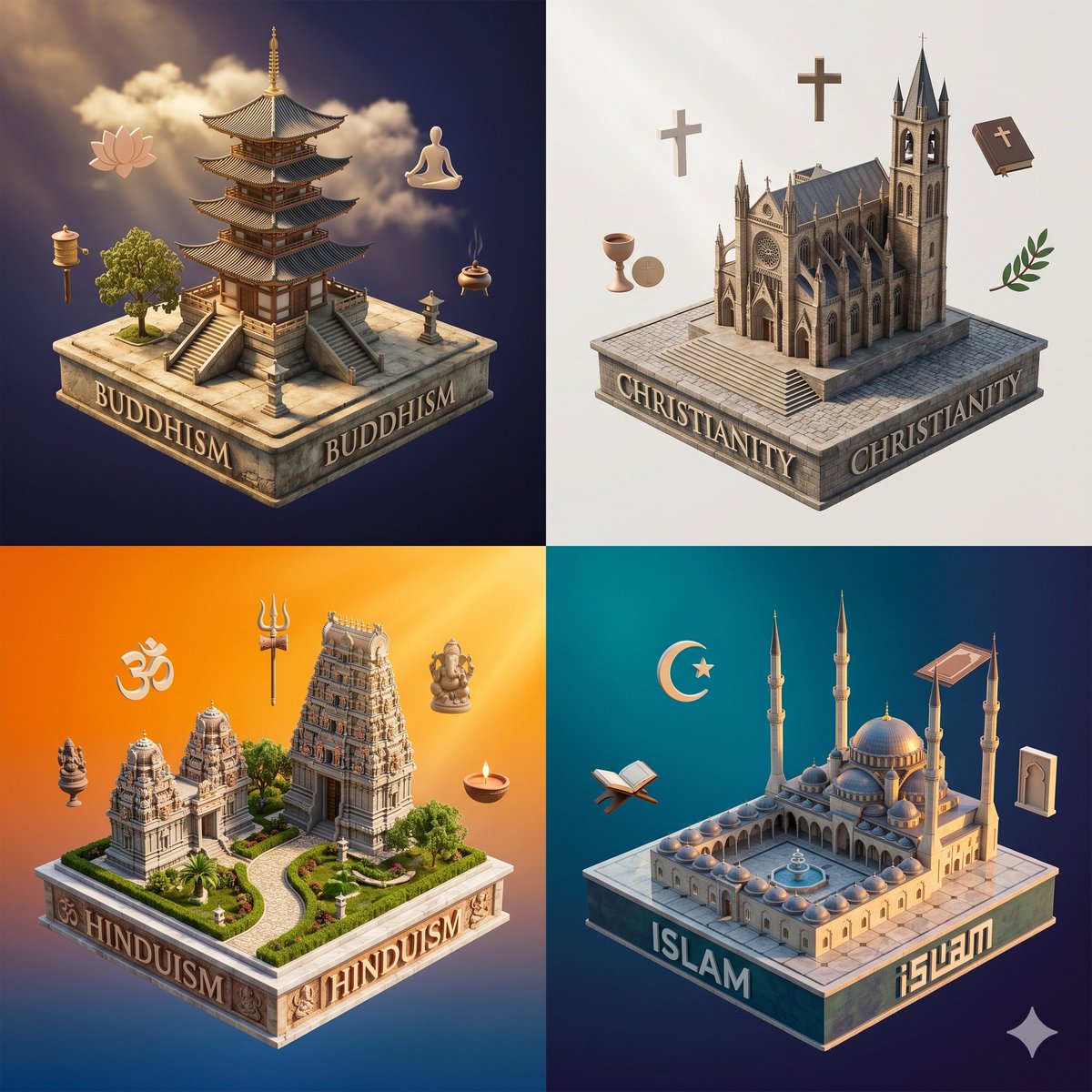
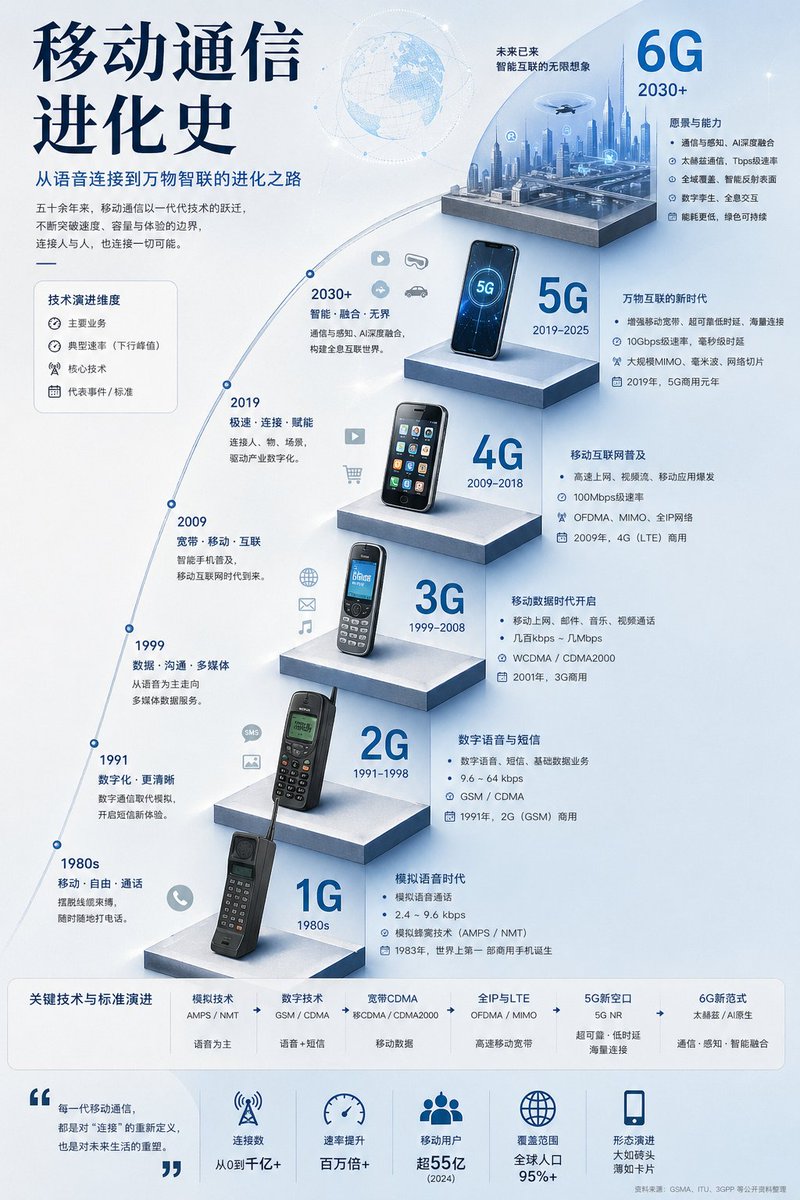



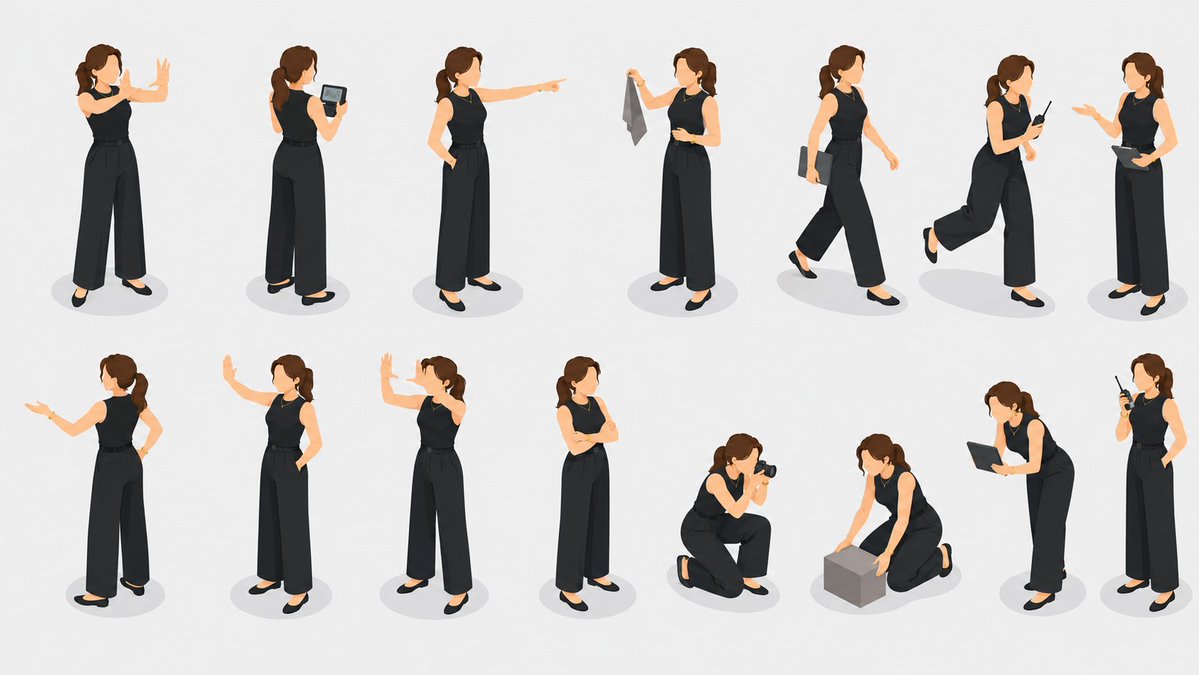
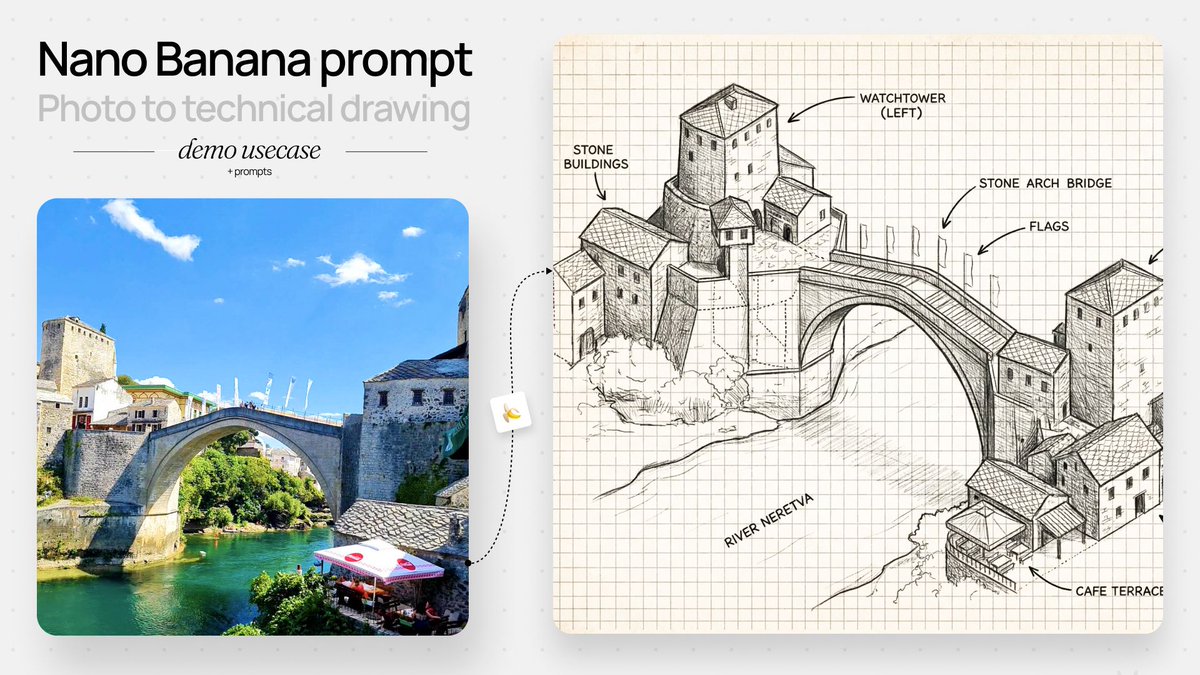


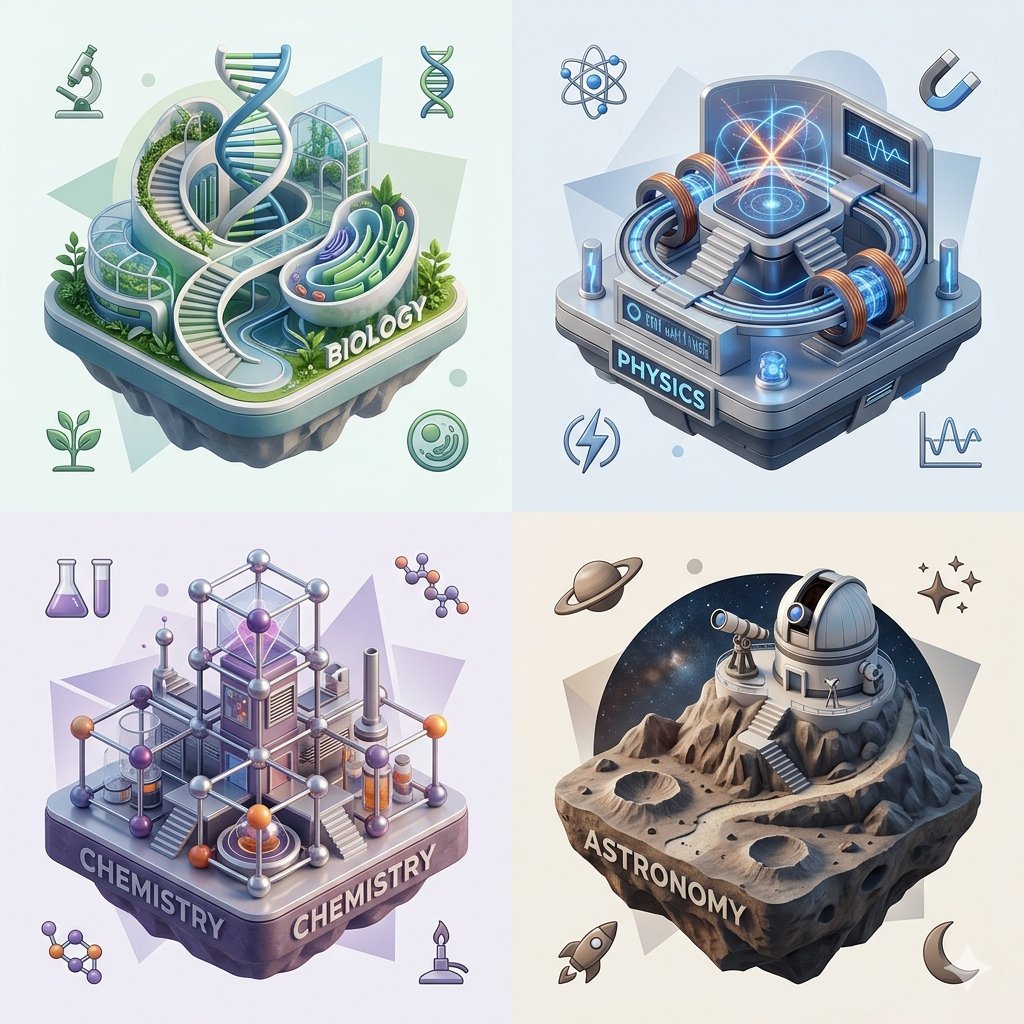
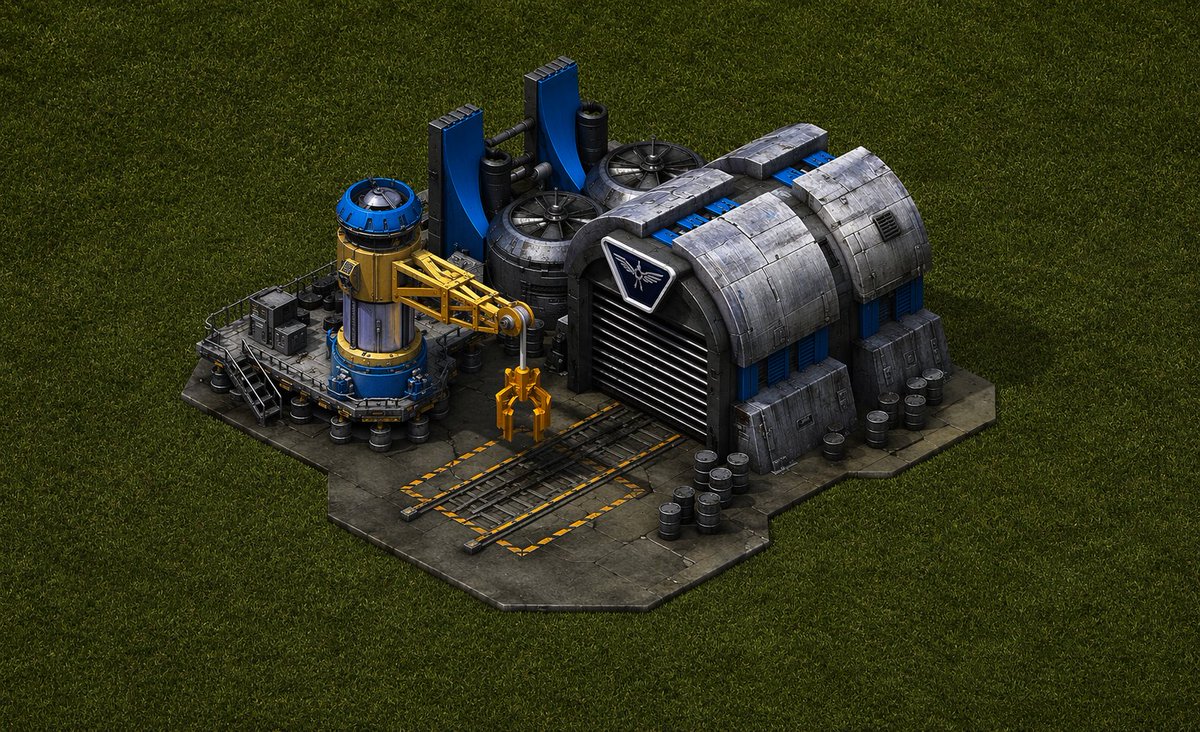

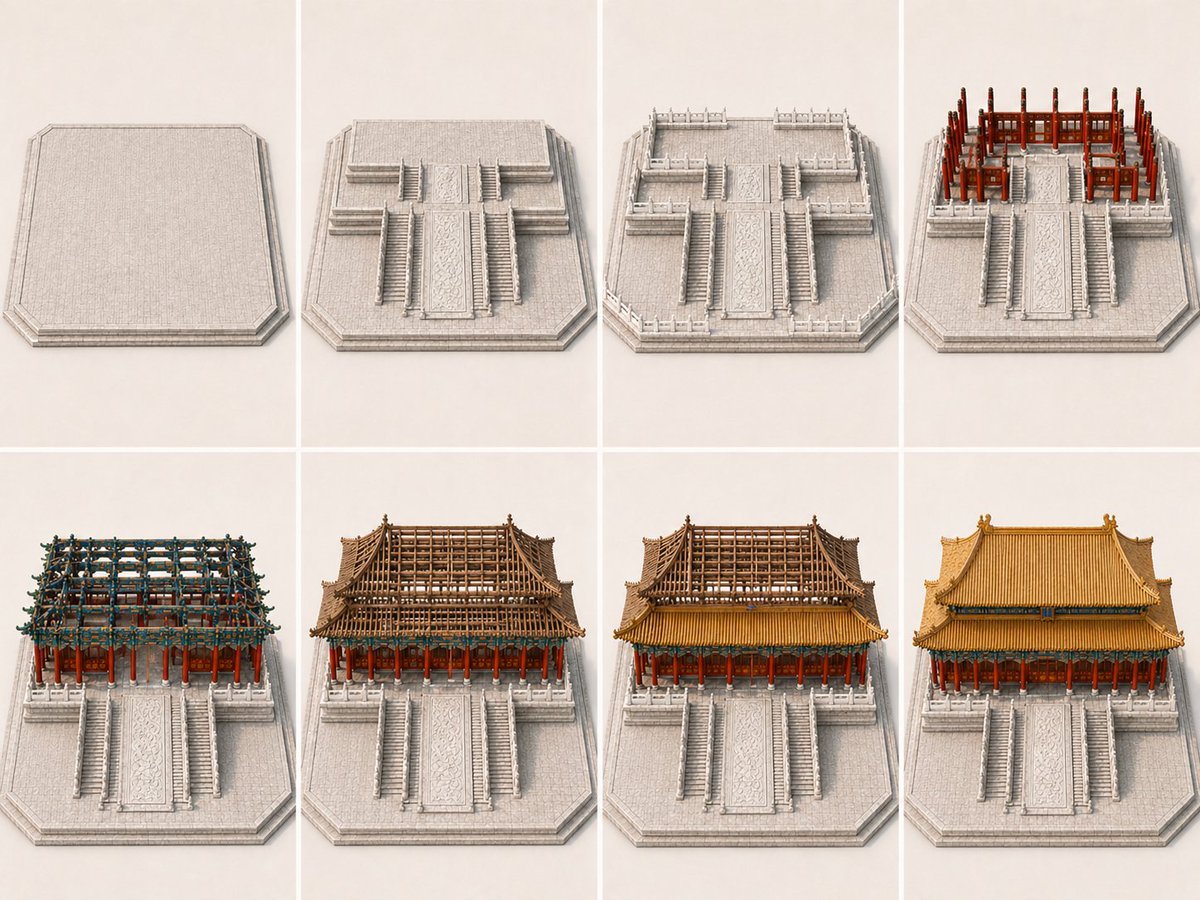
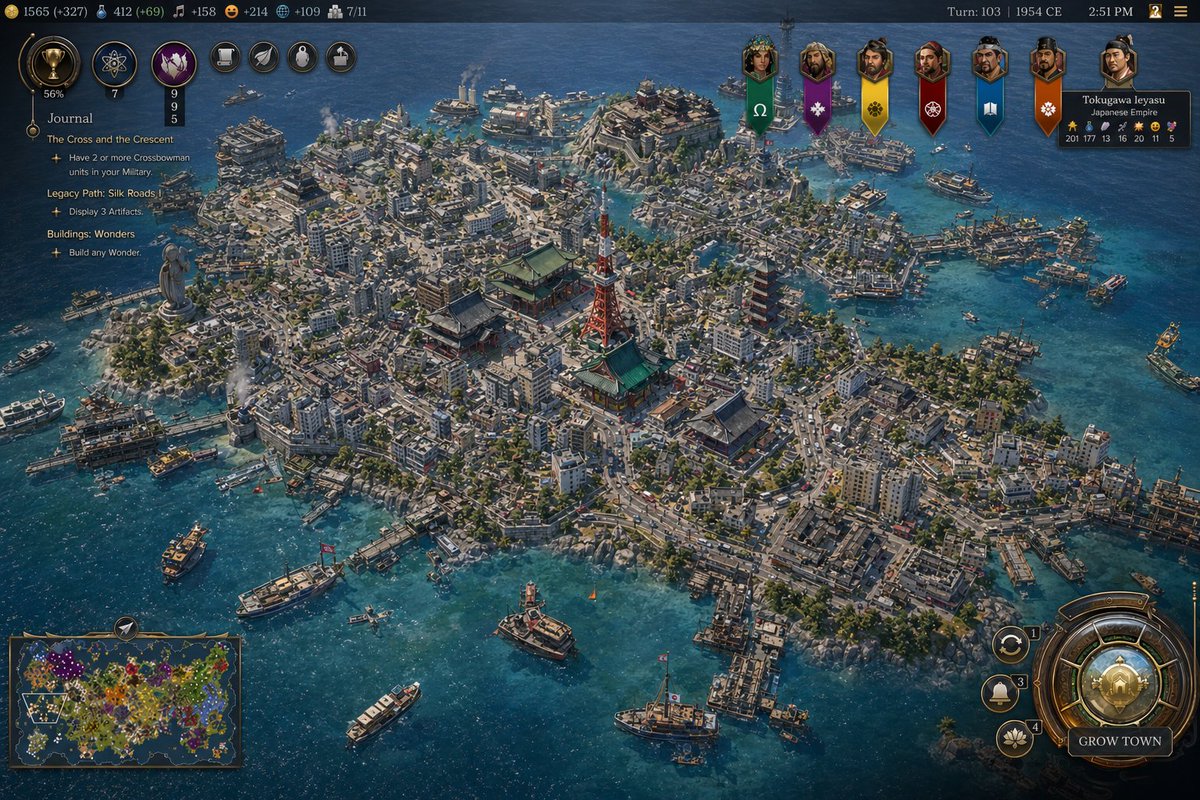
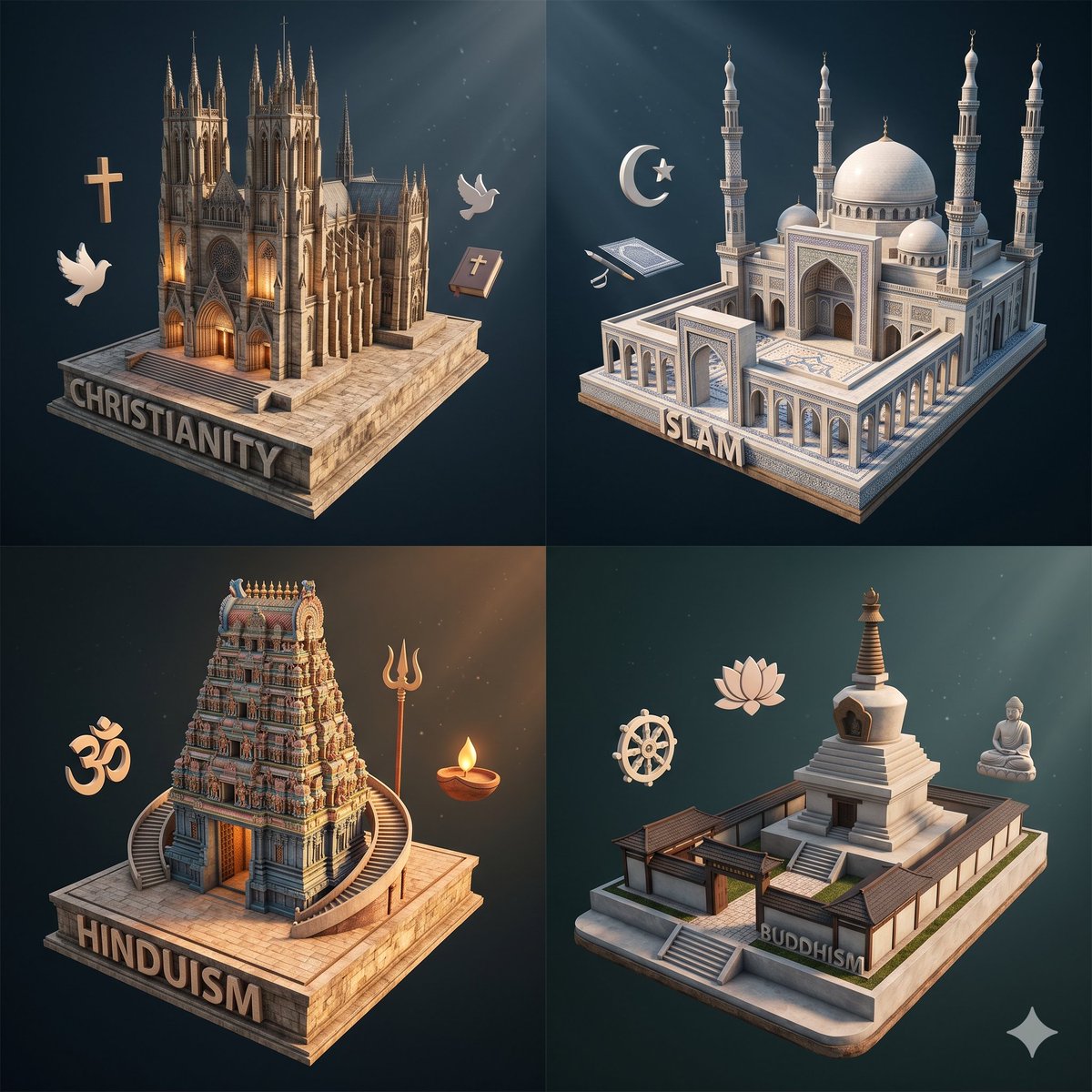
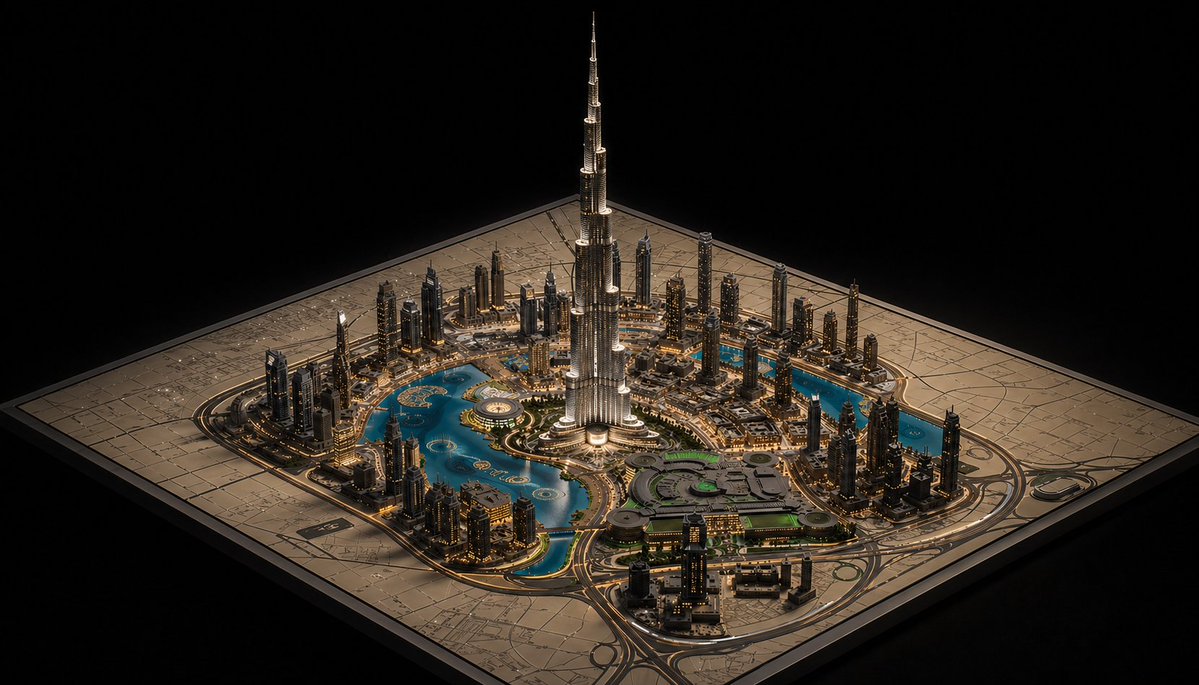

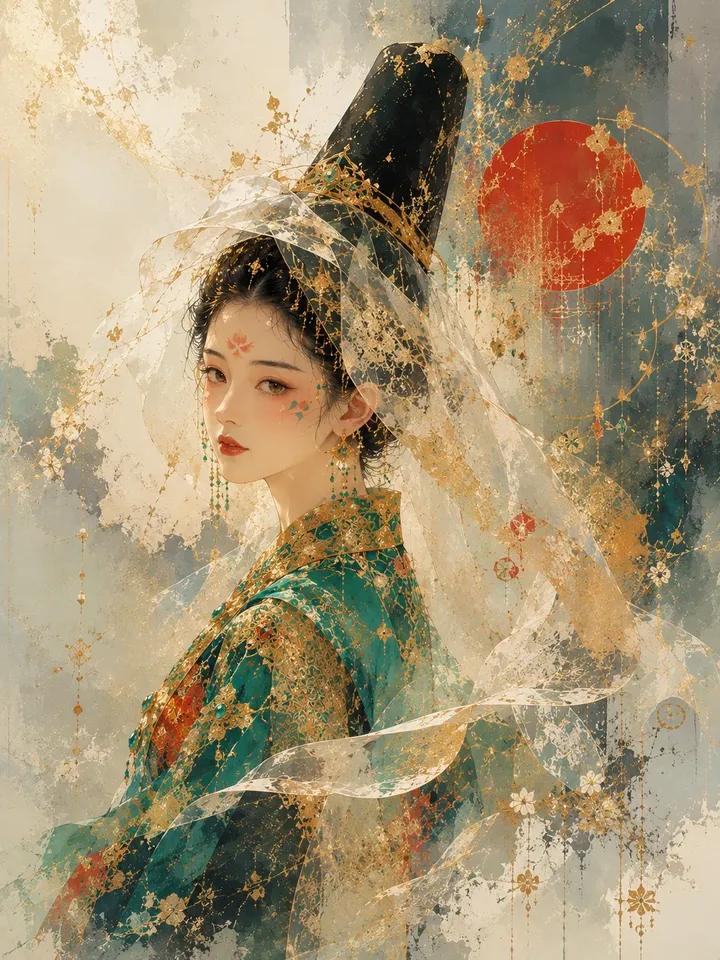
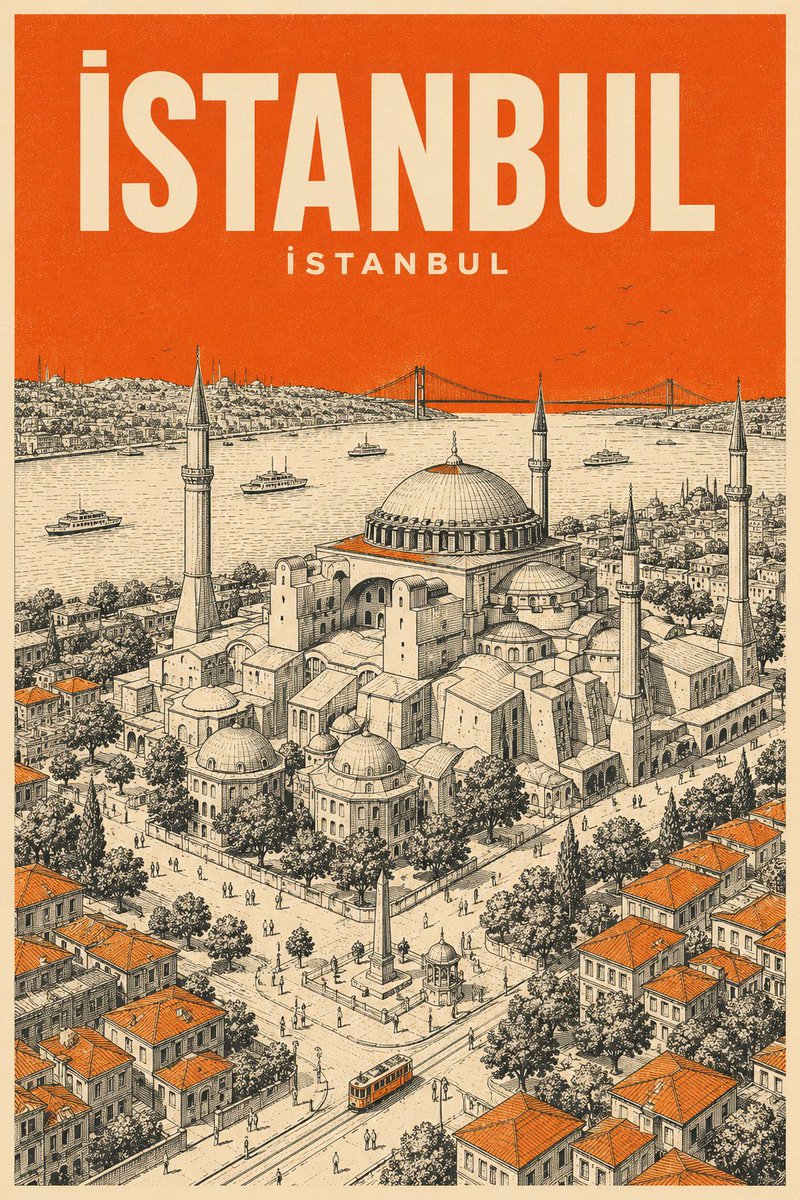
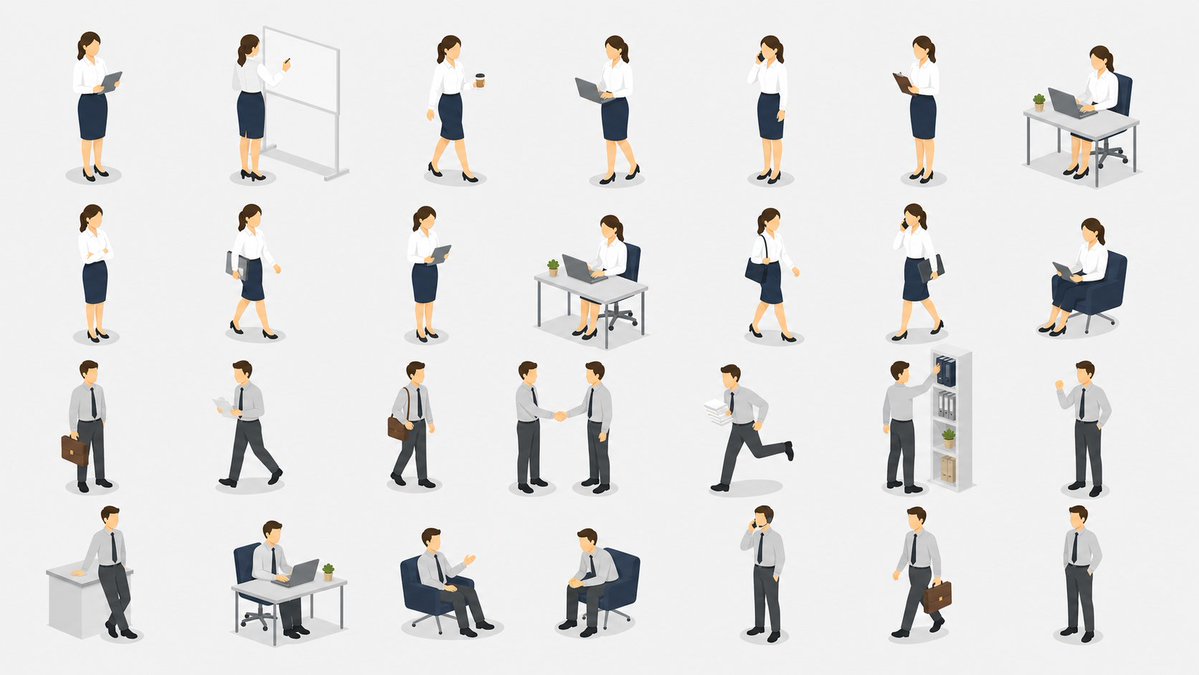

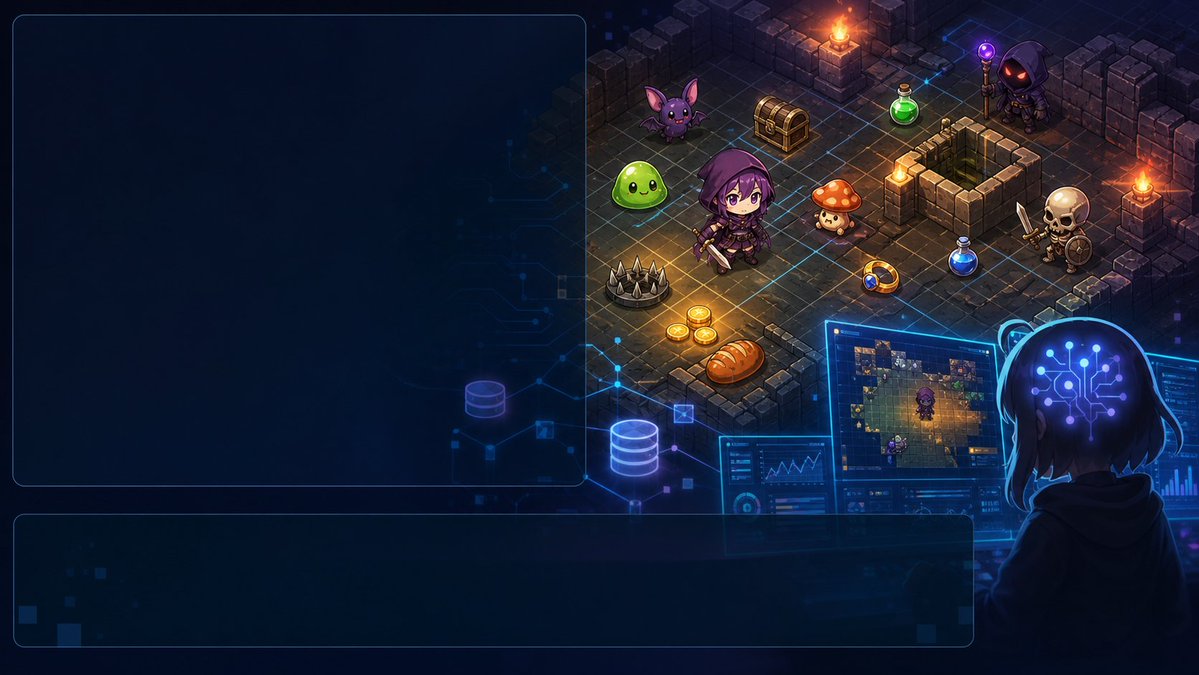





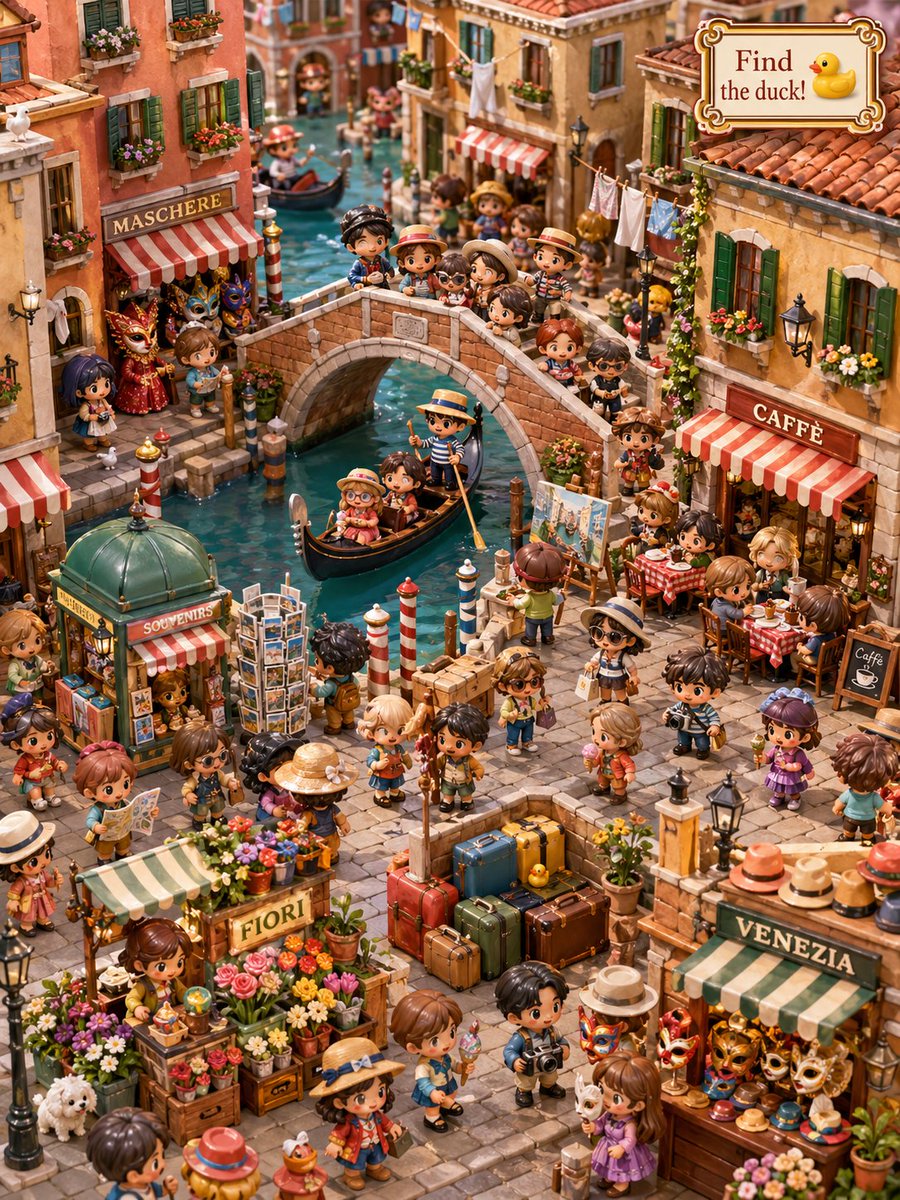
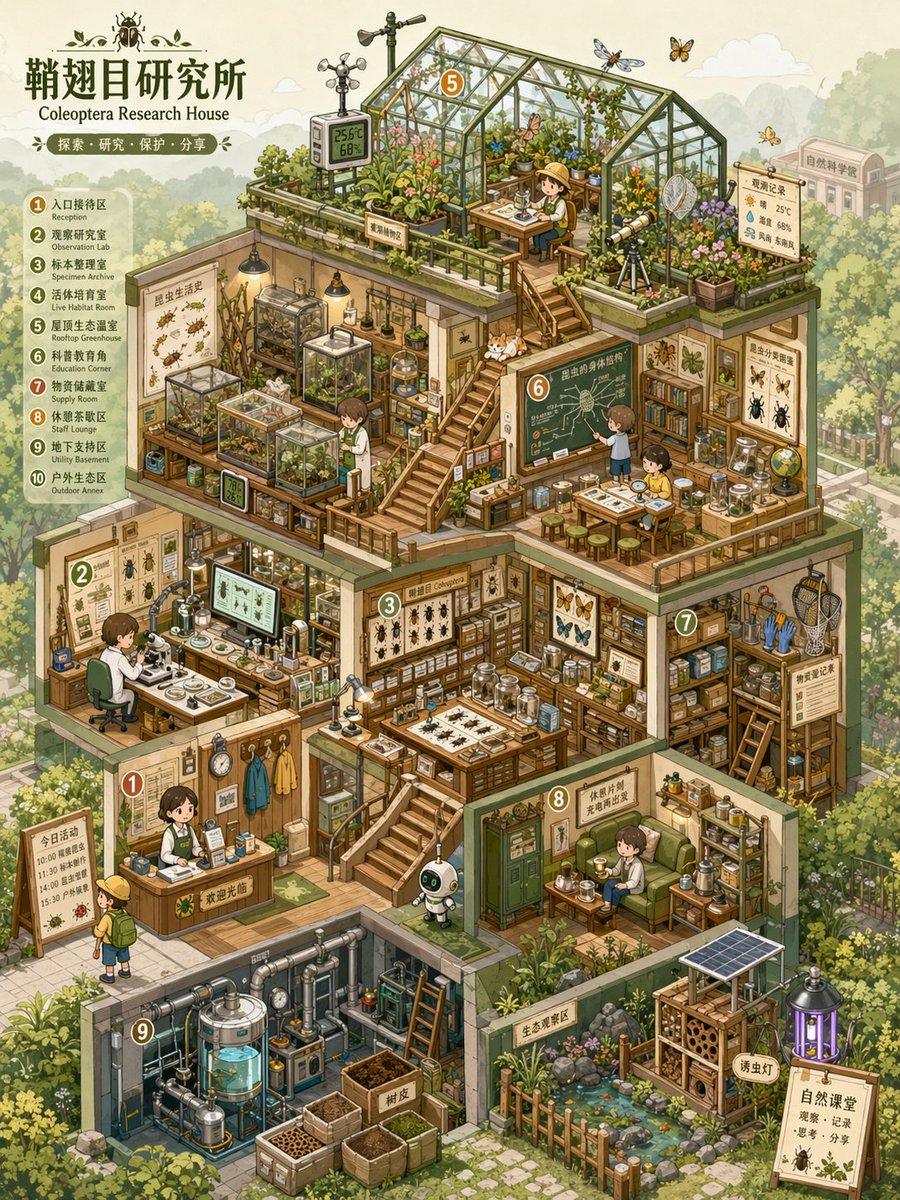
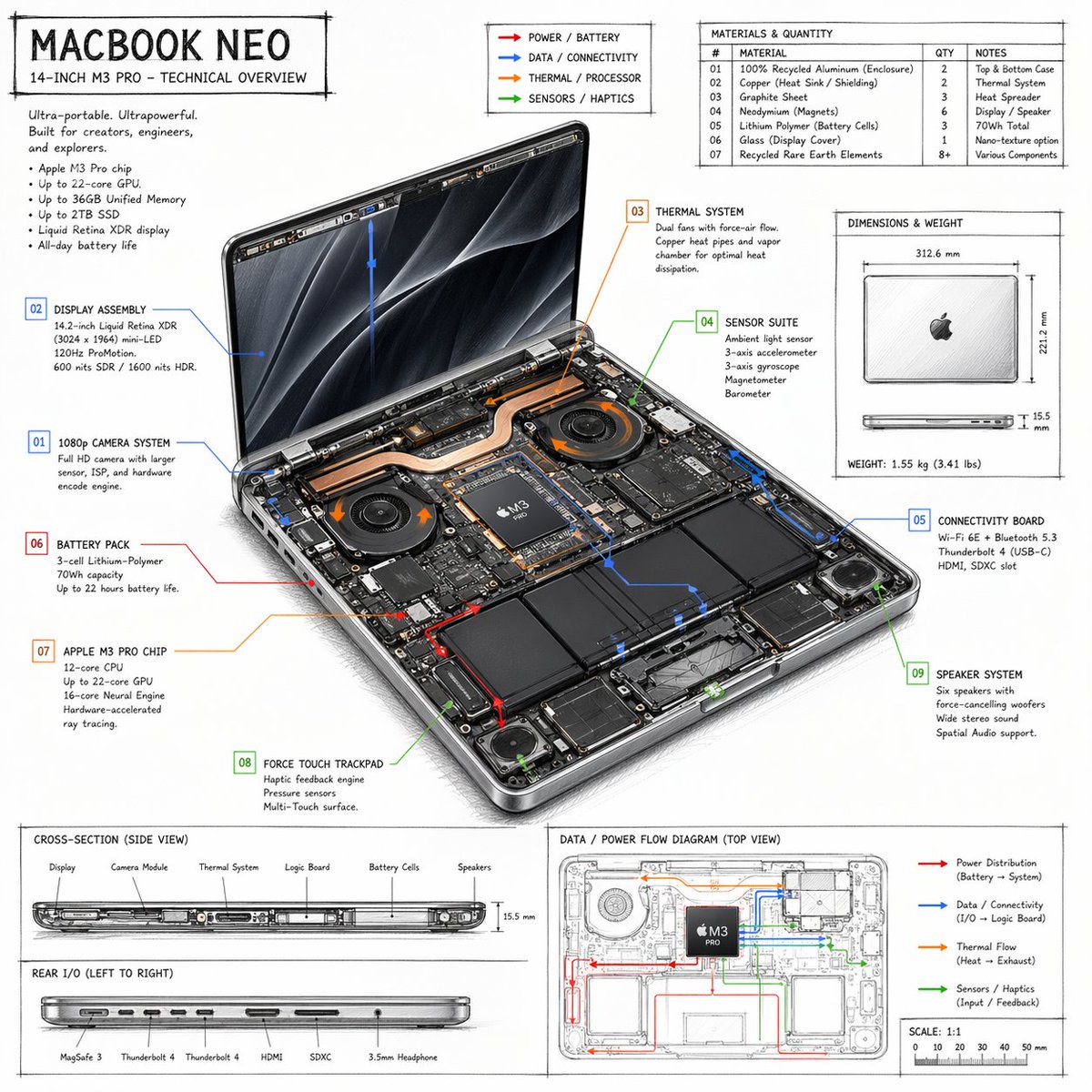
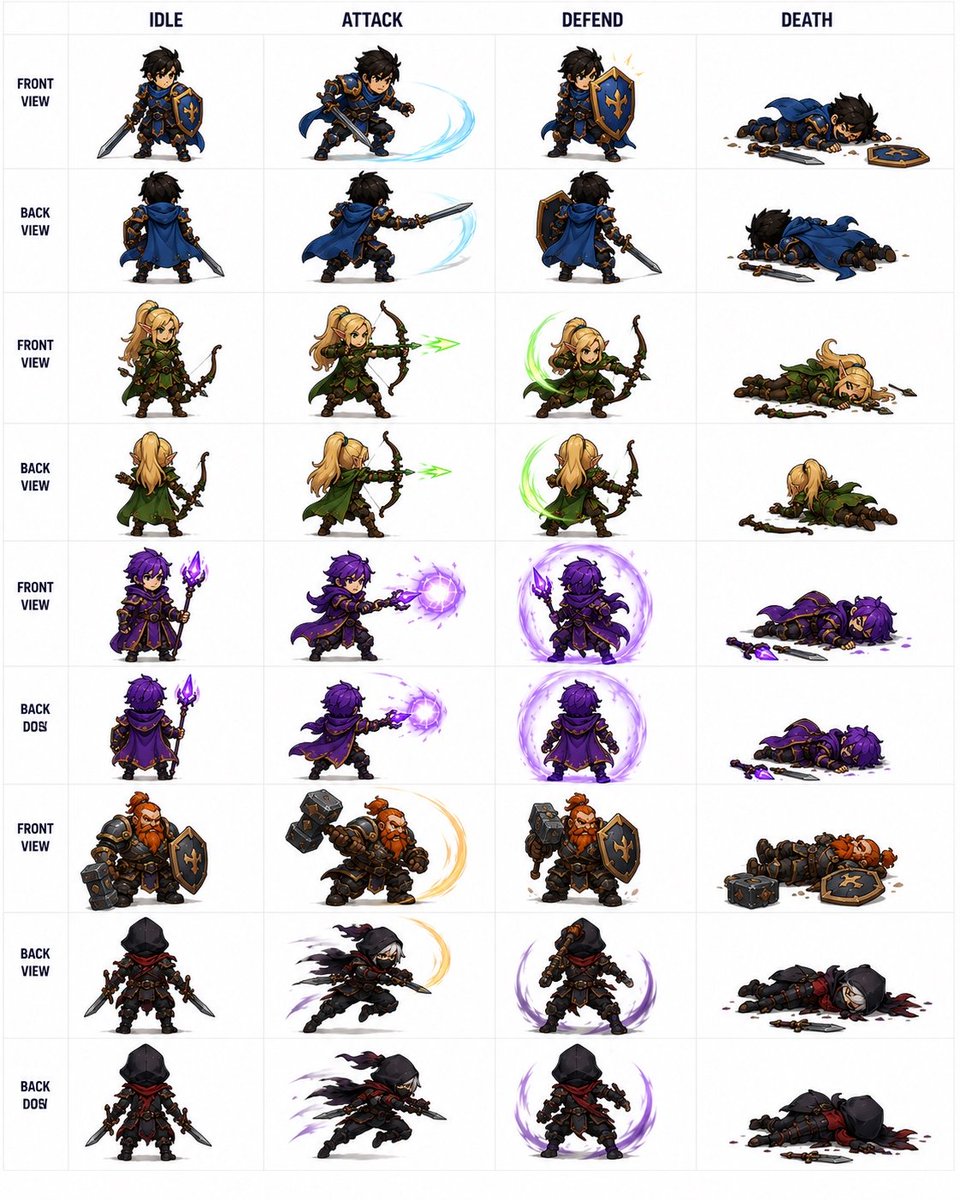
All prompts loaded
Prompt topic notes
About isometric AI image prompts
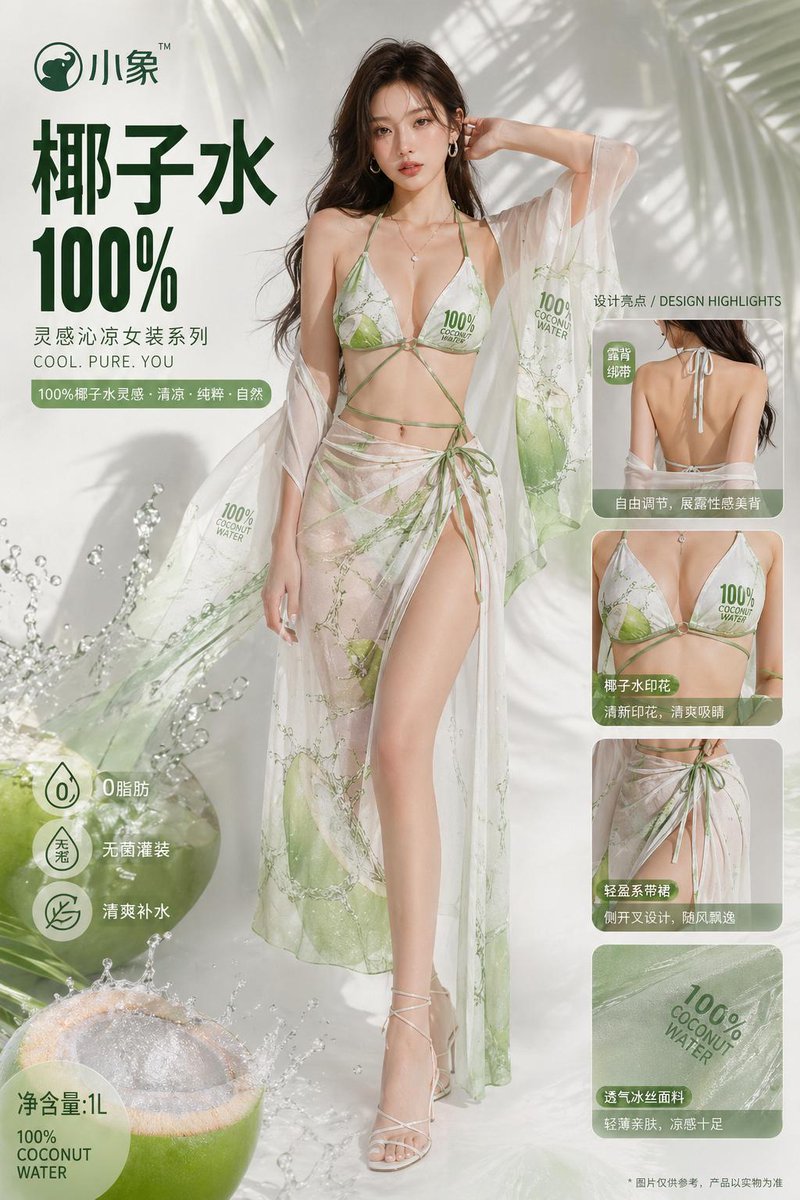
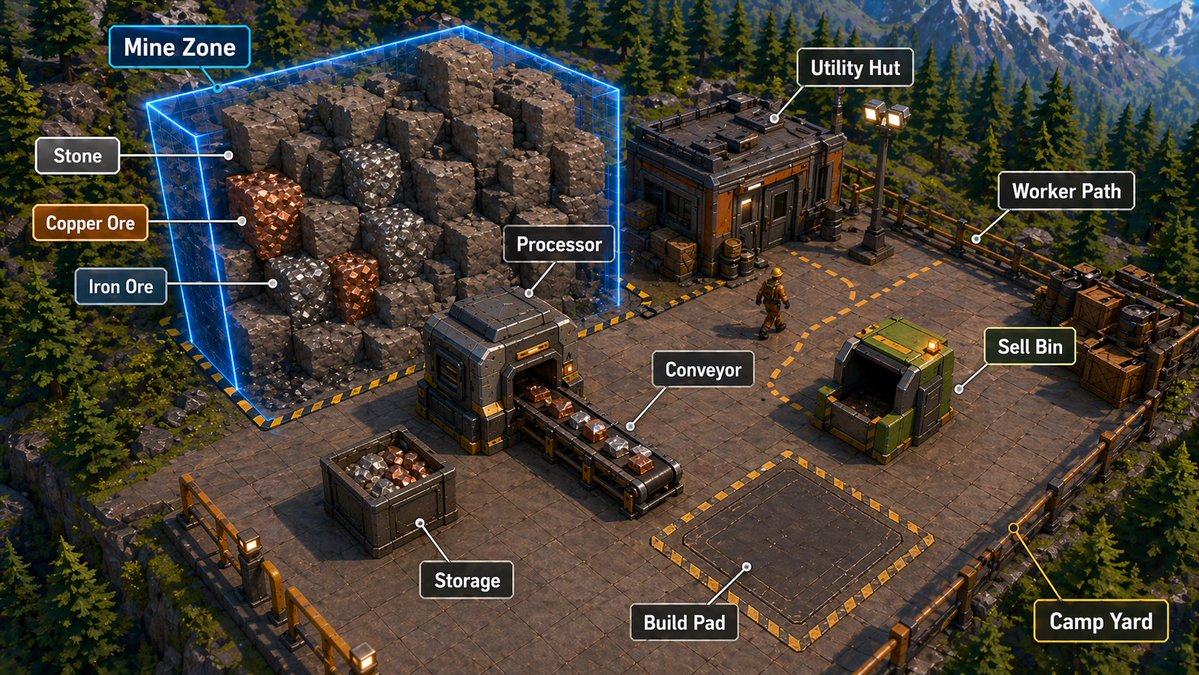
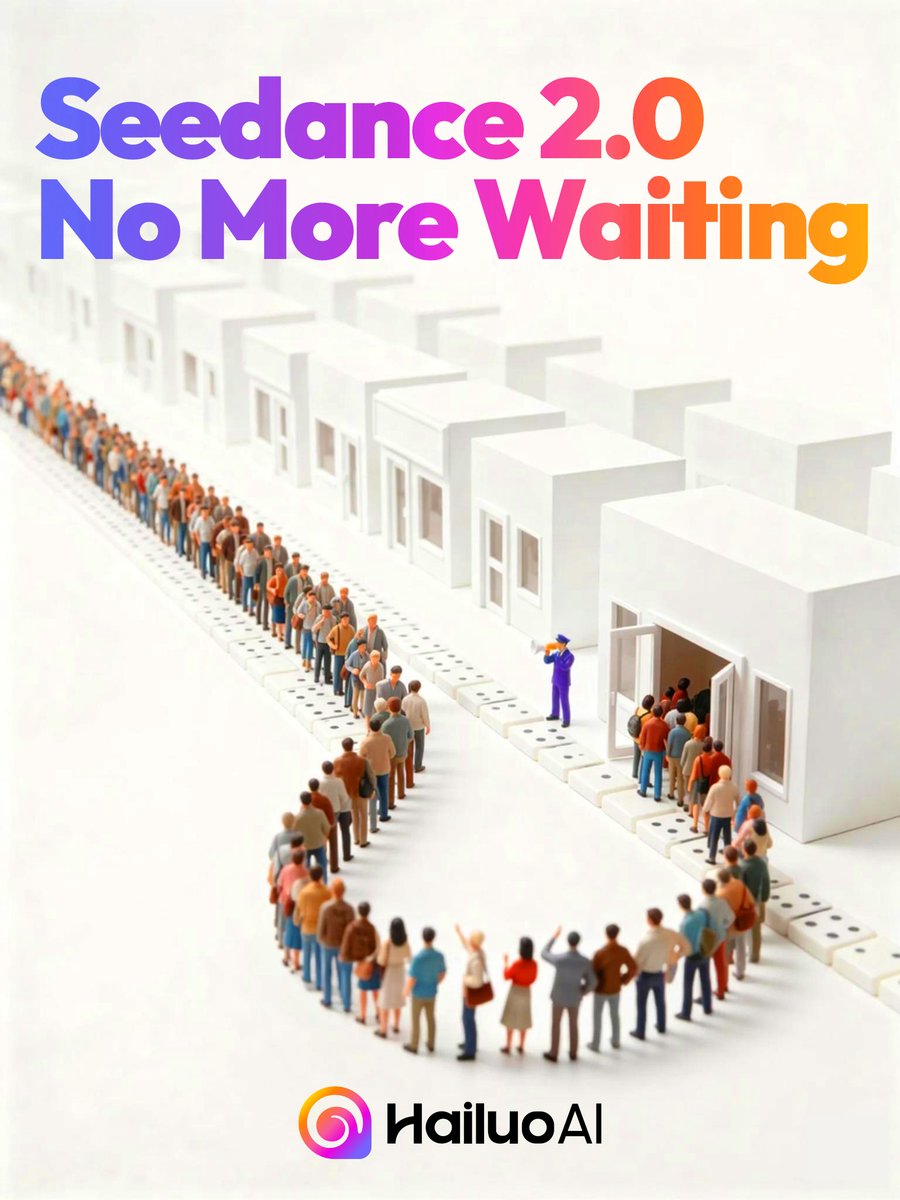
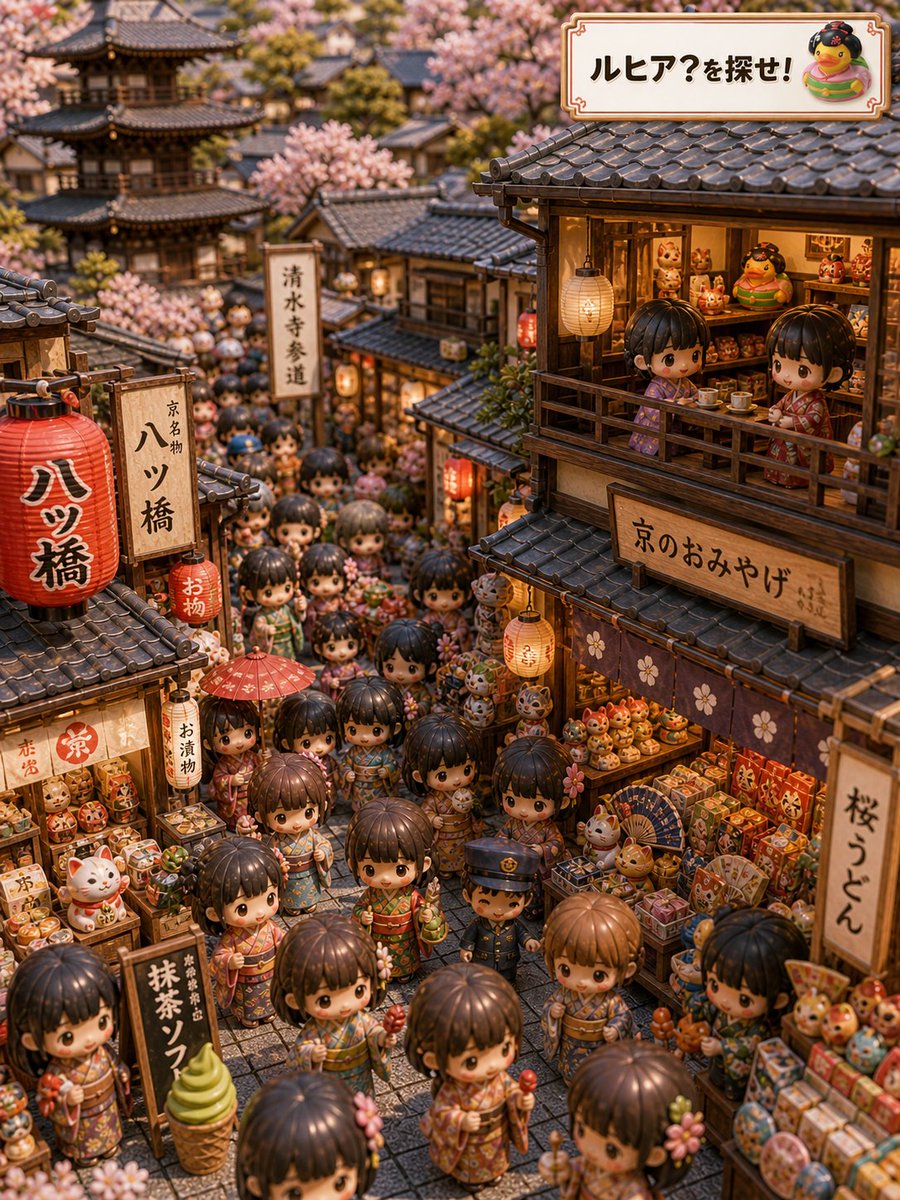
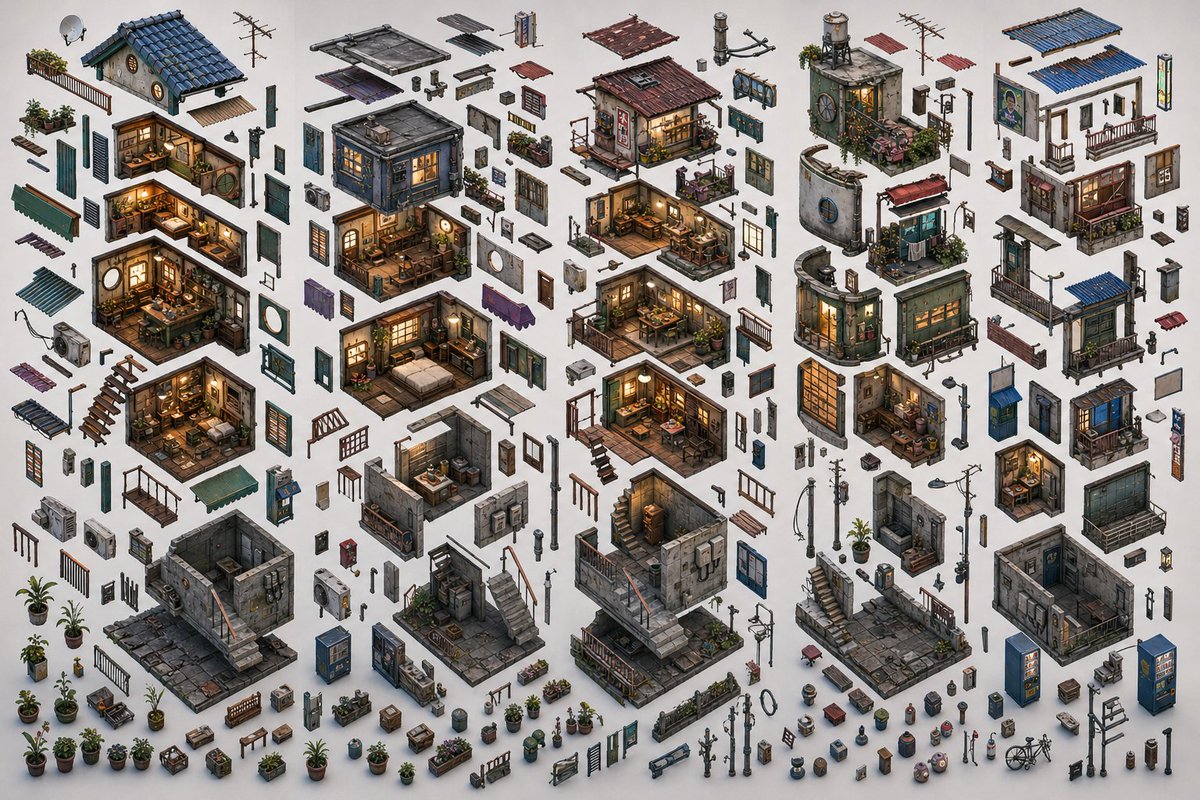
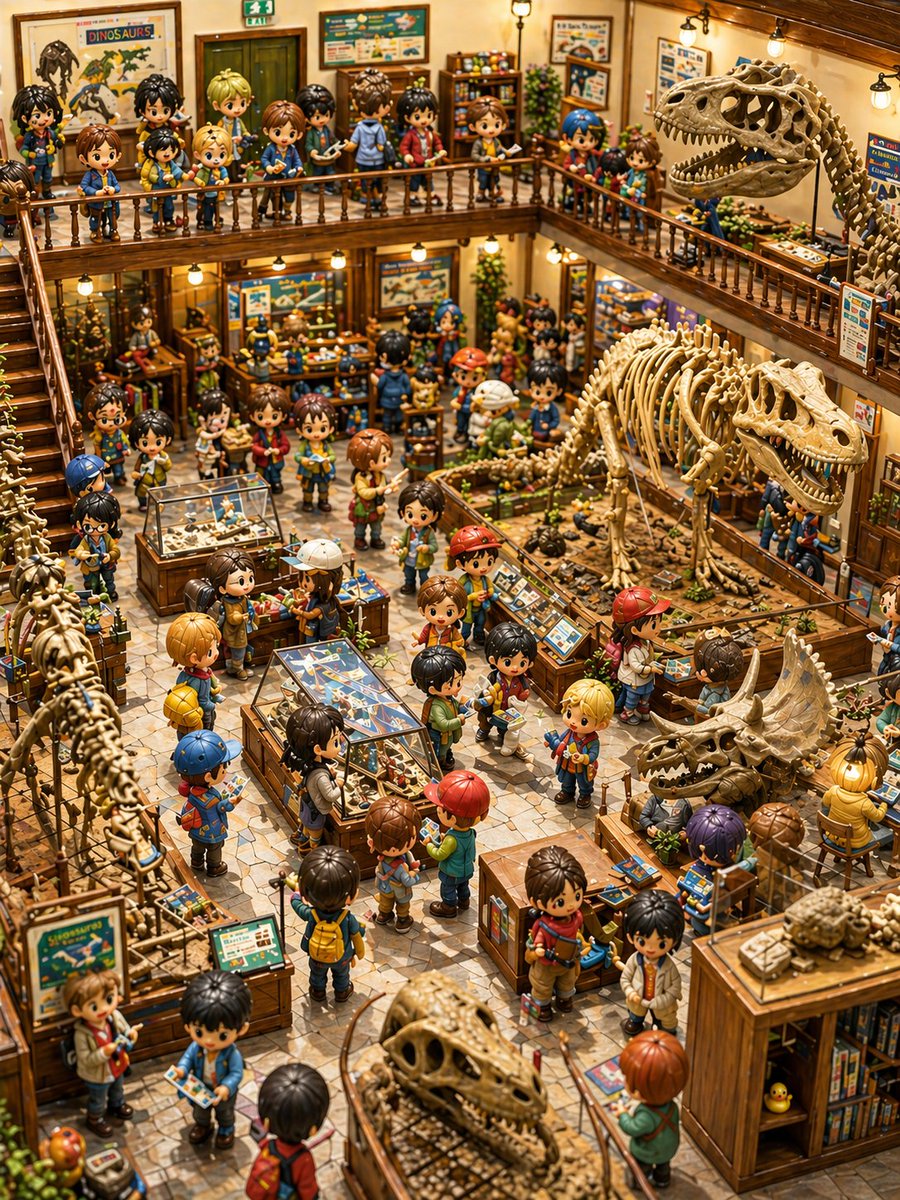
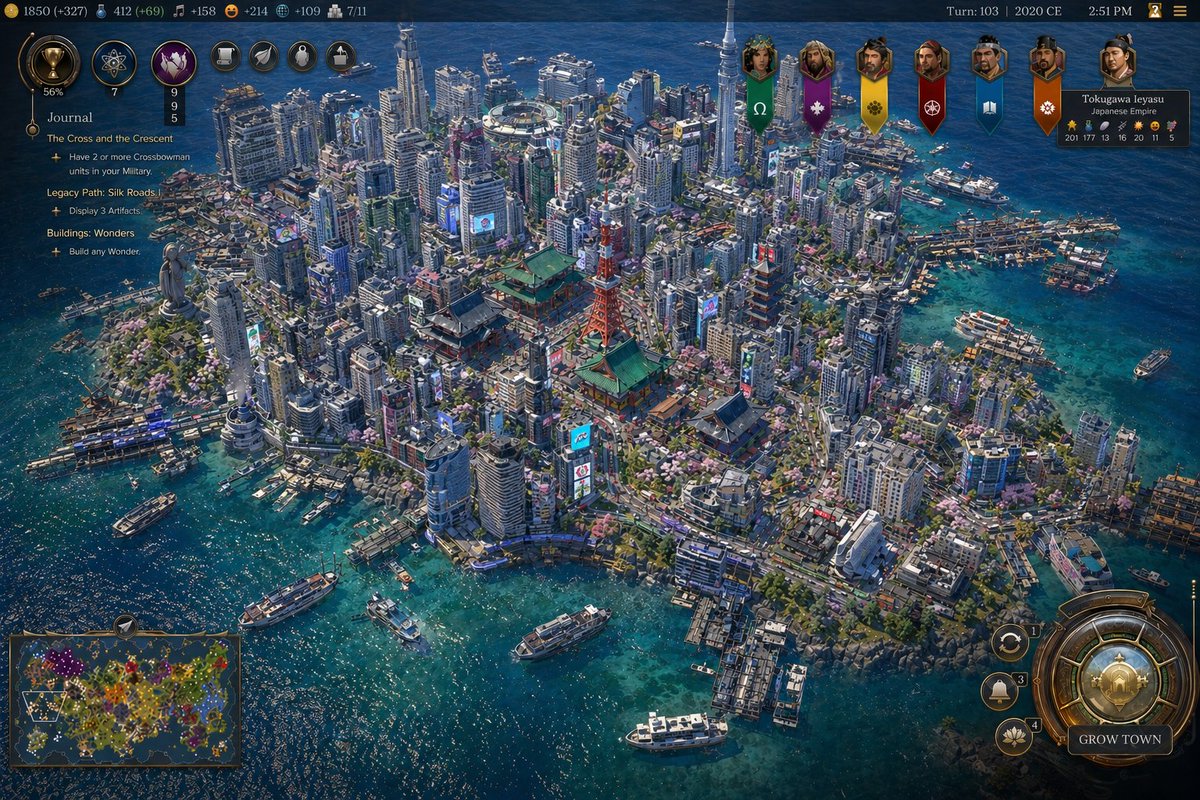
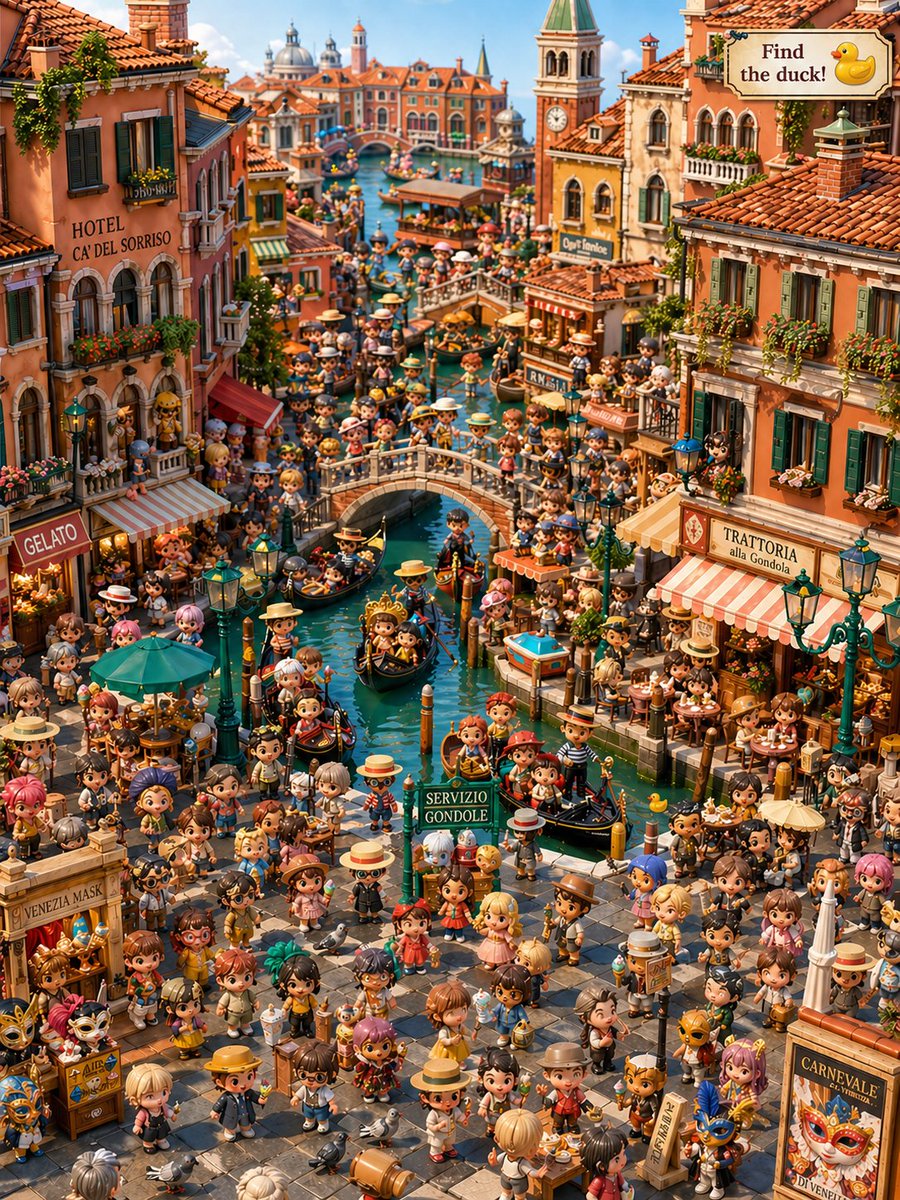
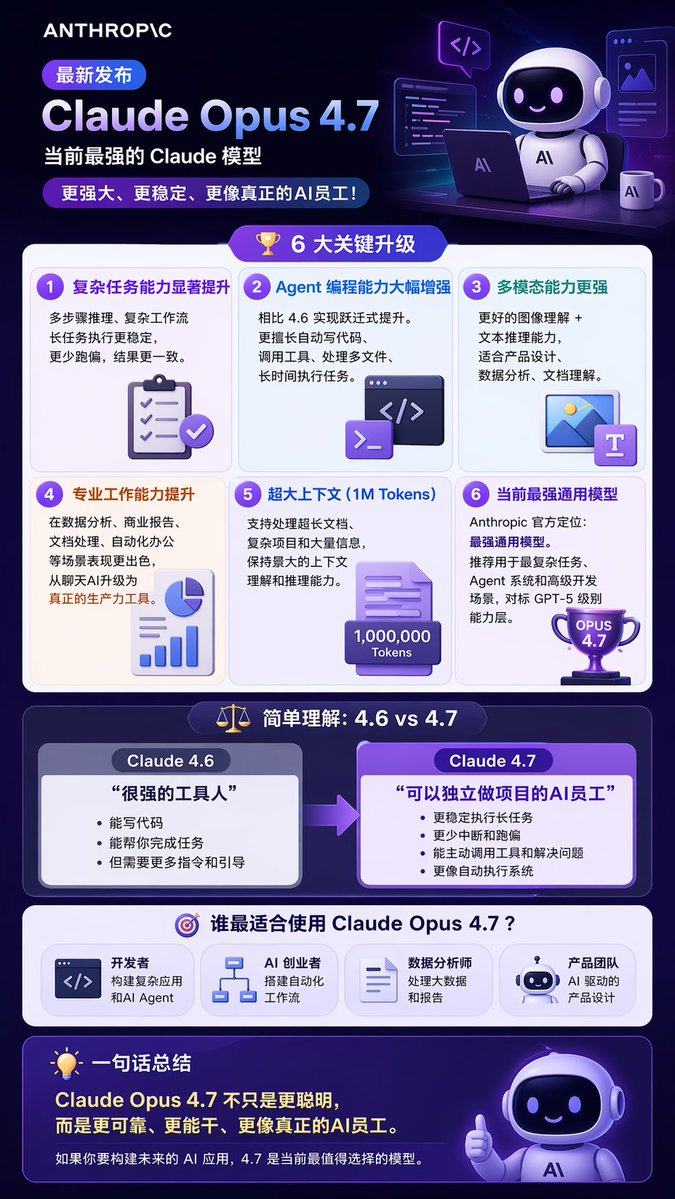
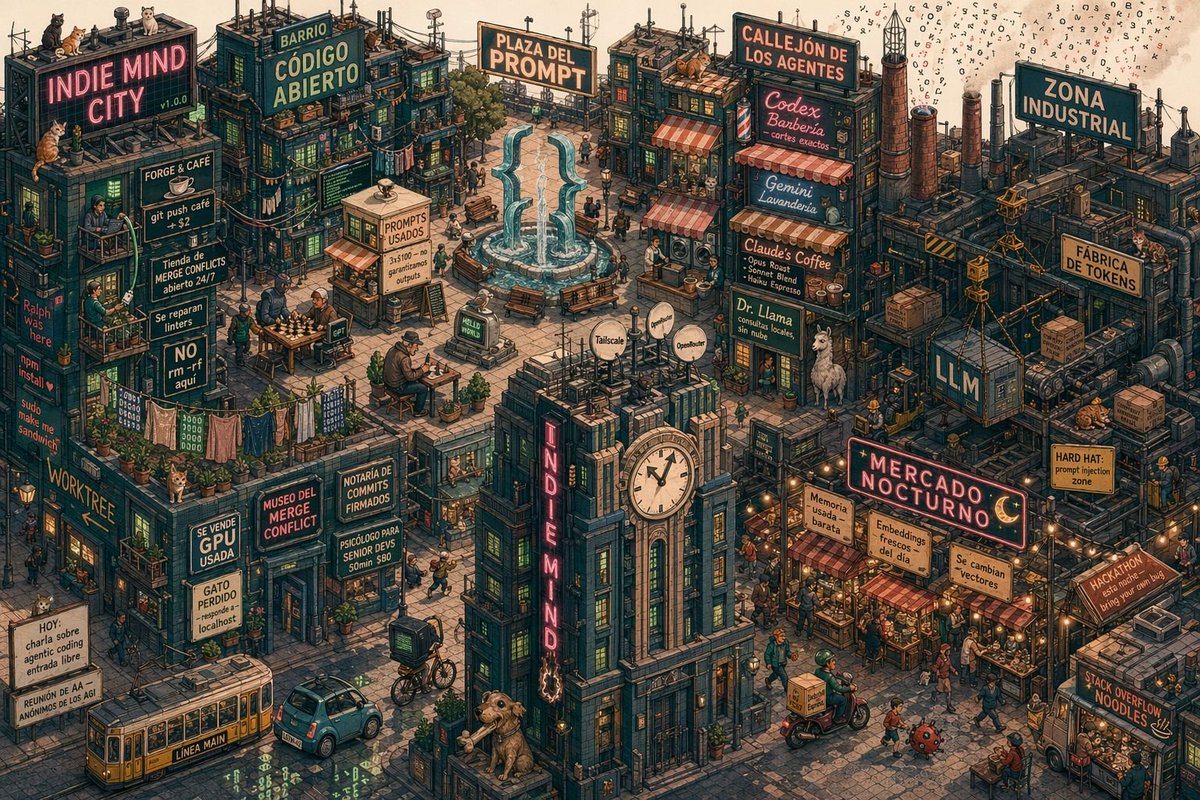
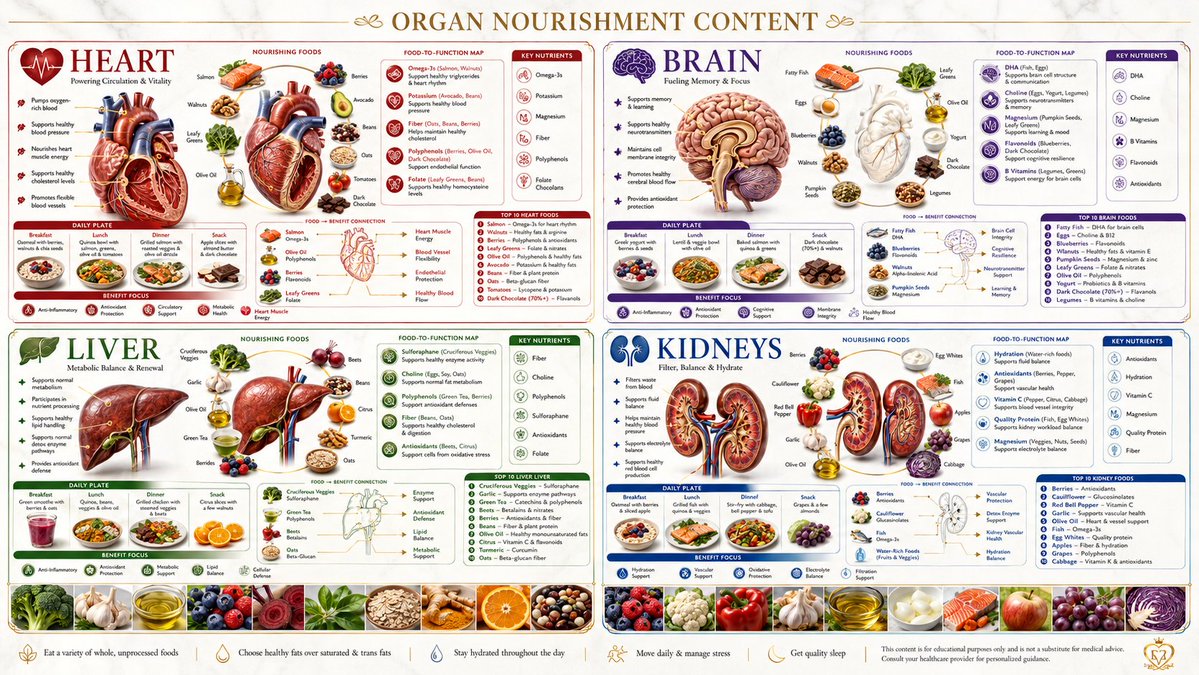
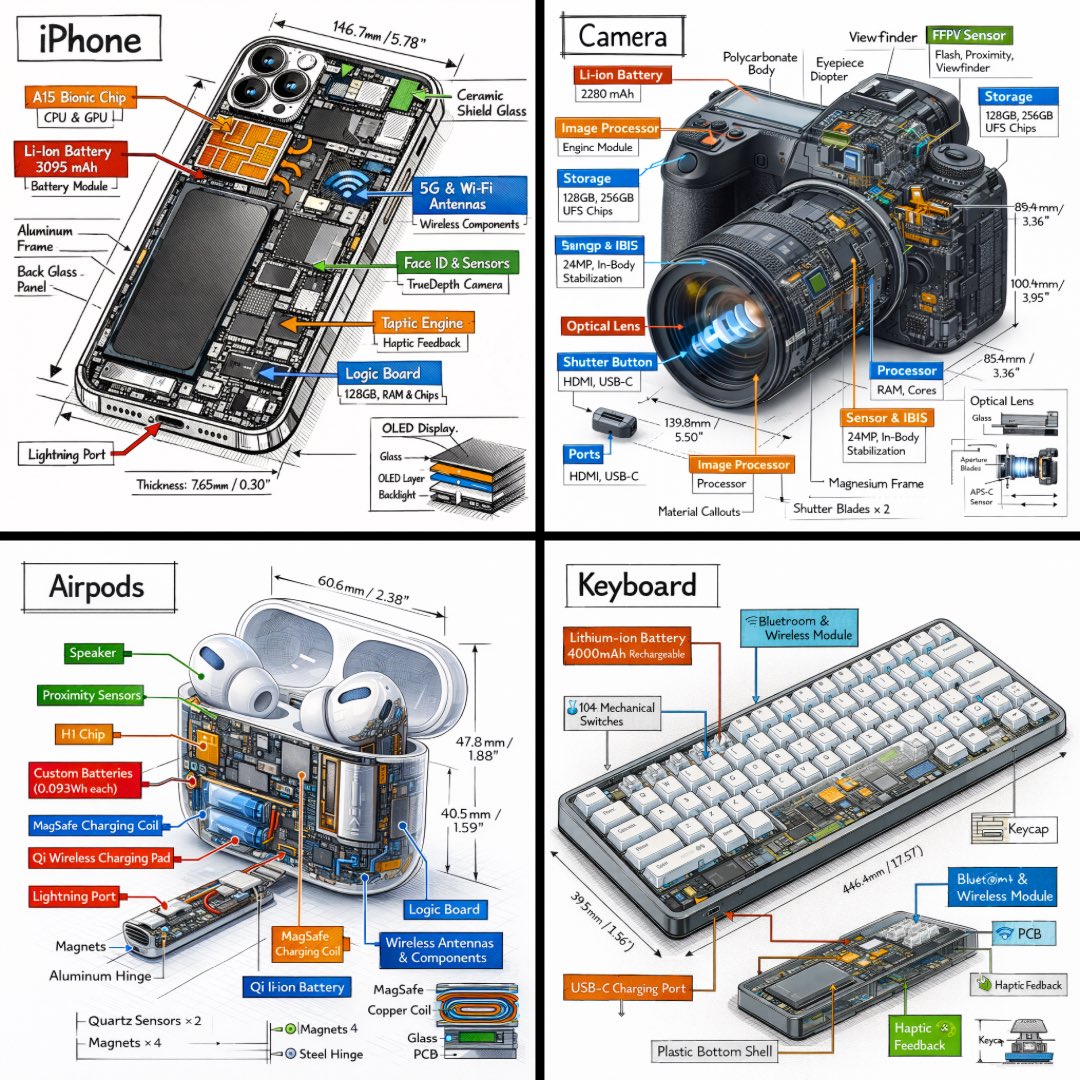
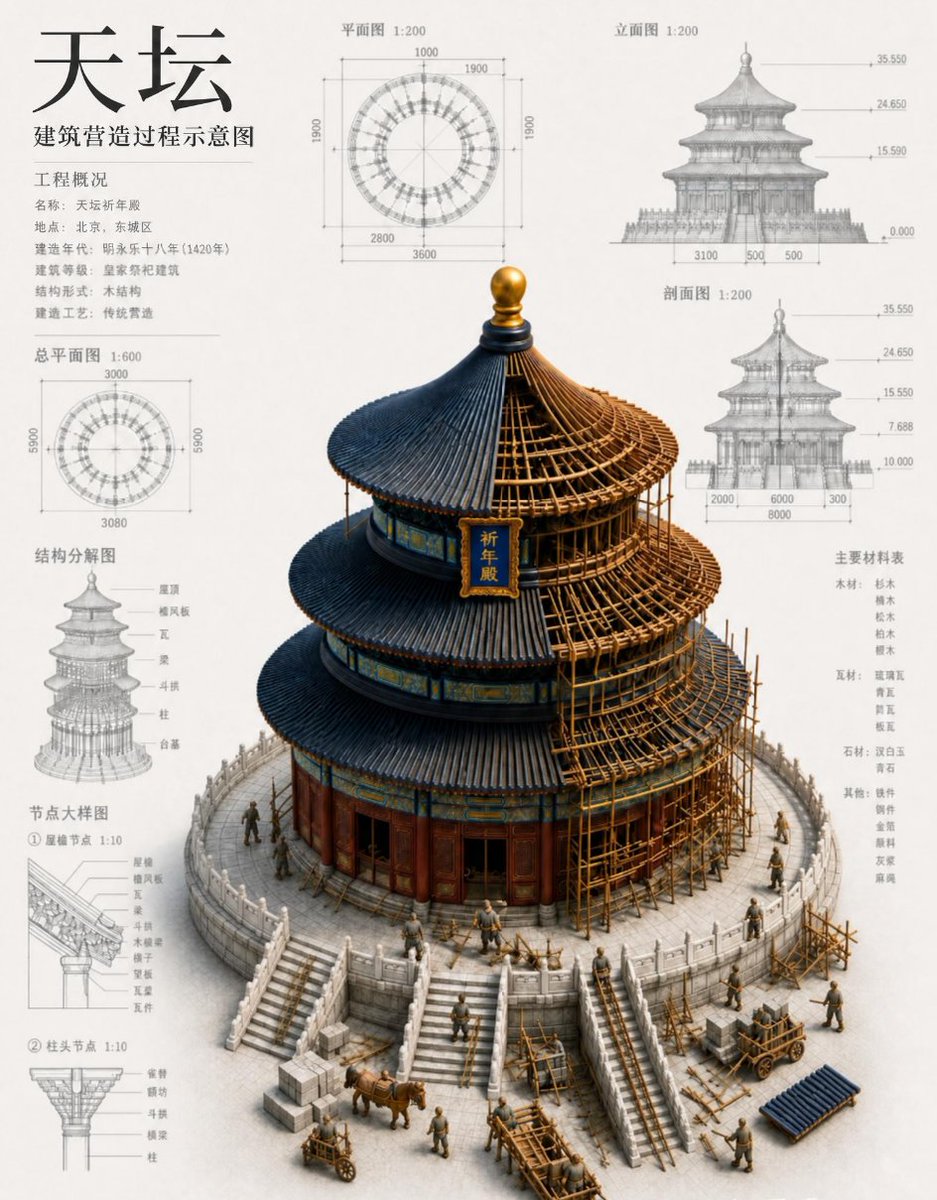
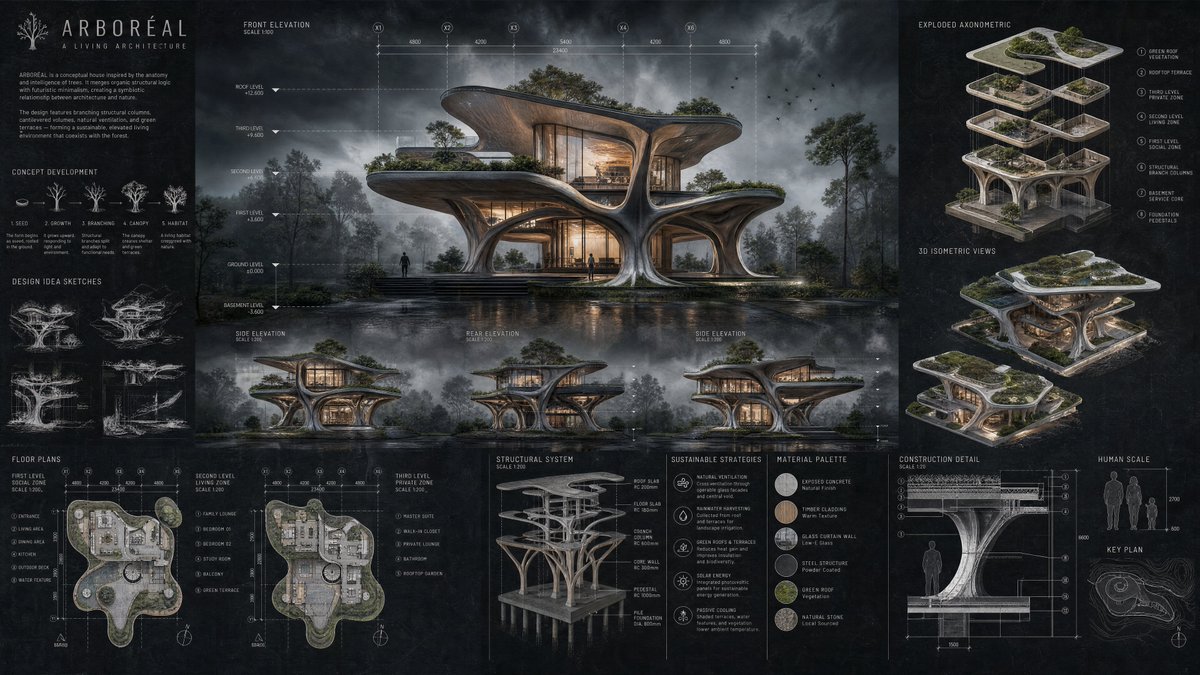
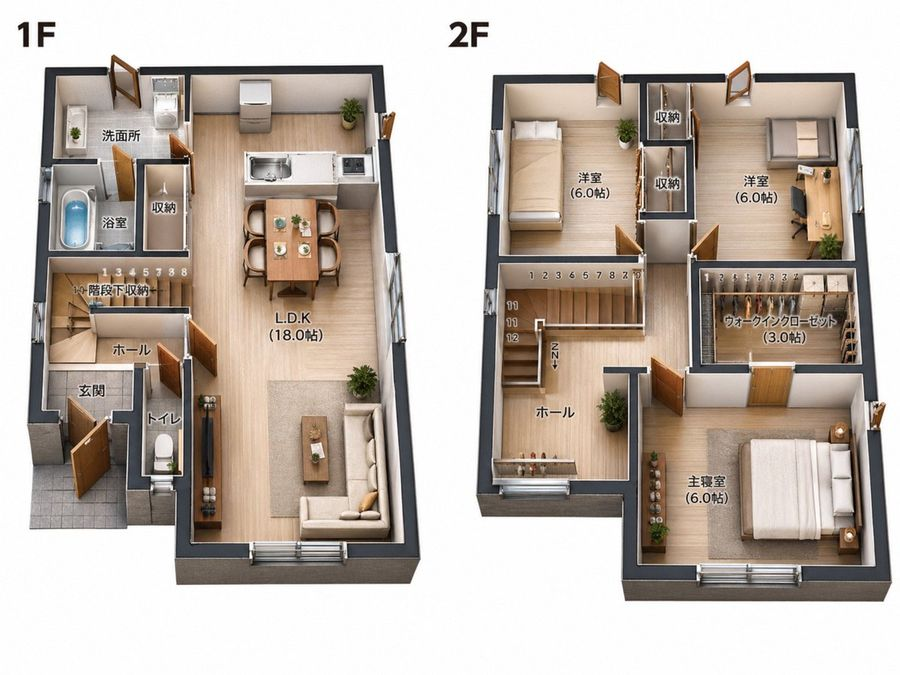
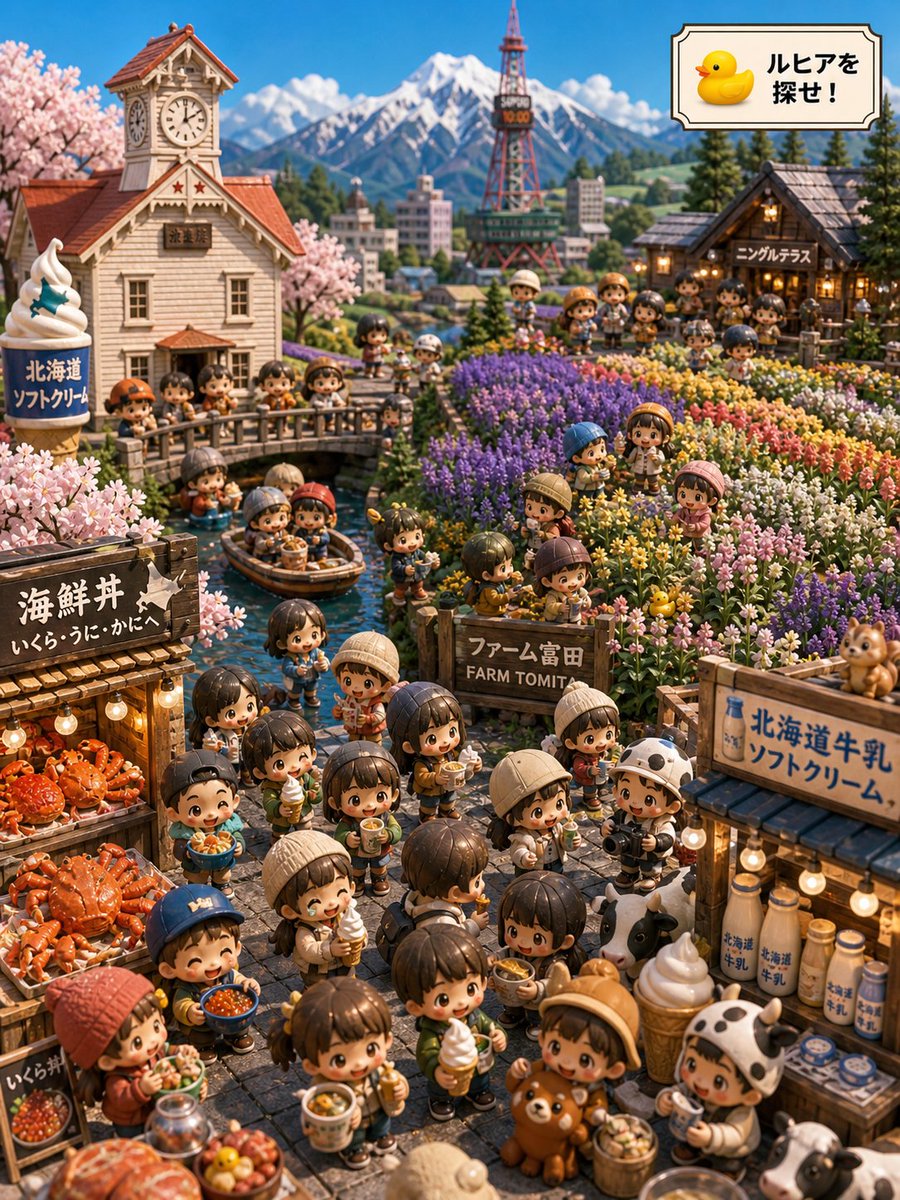
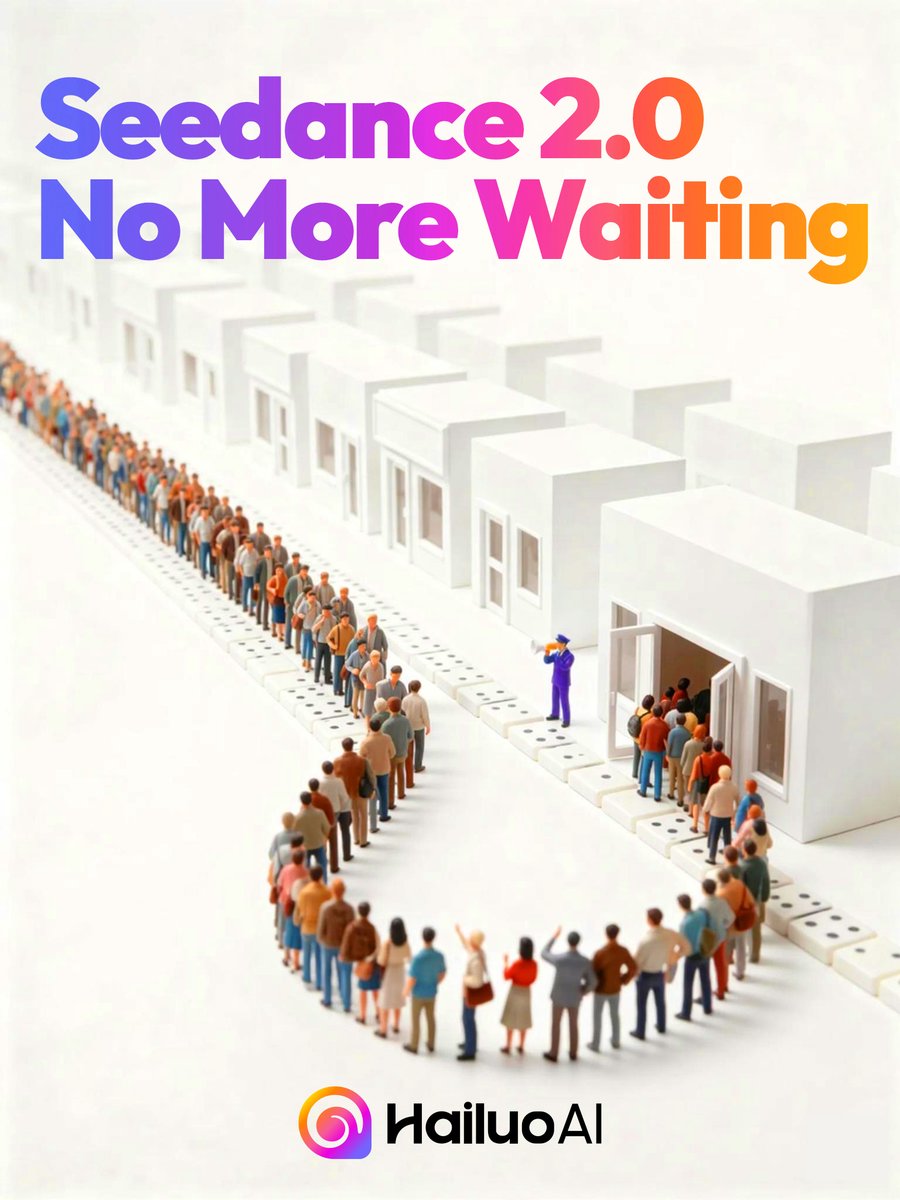
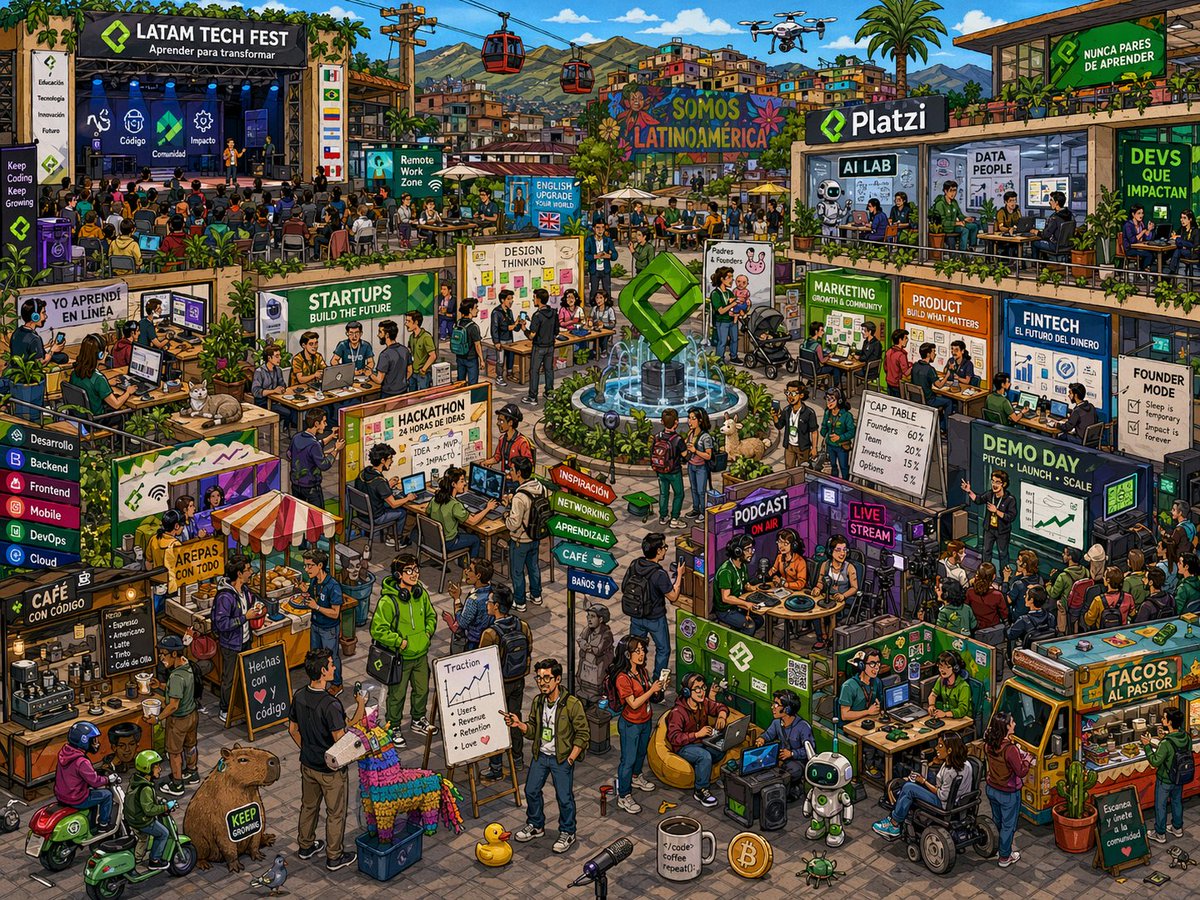
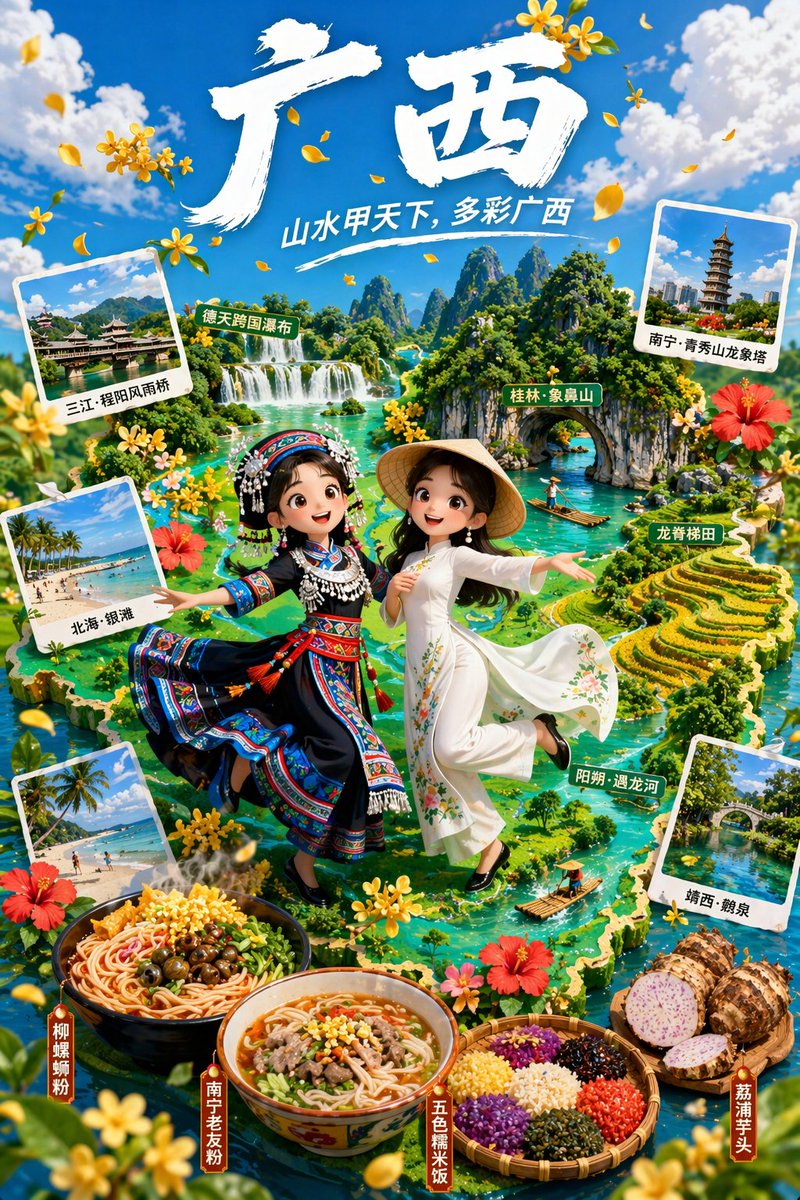
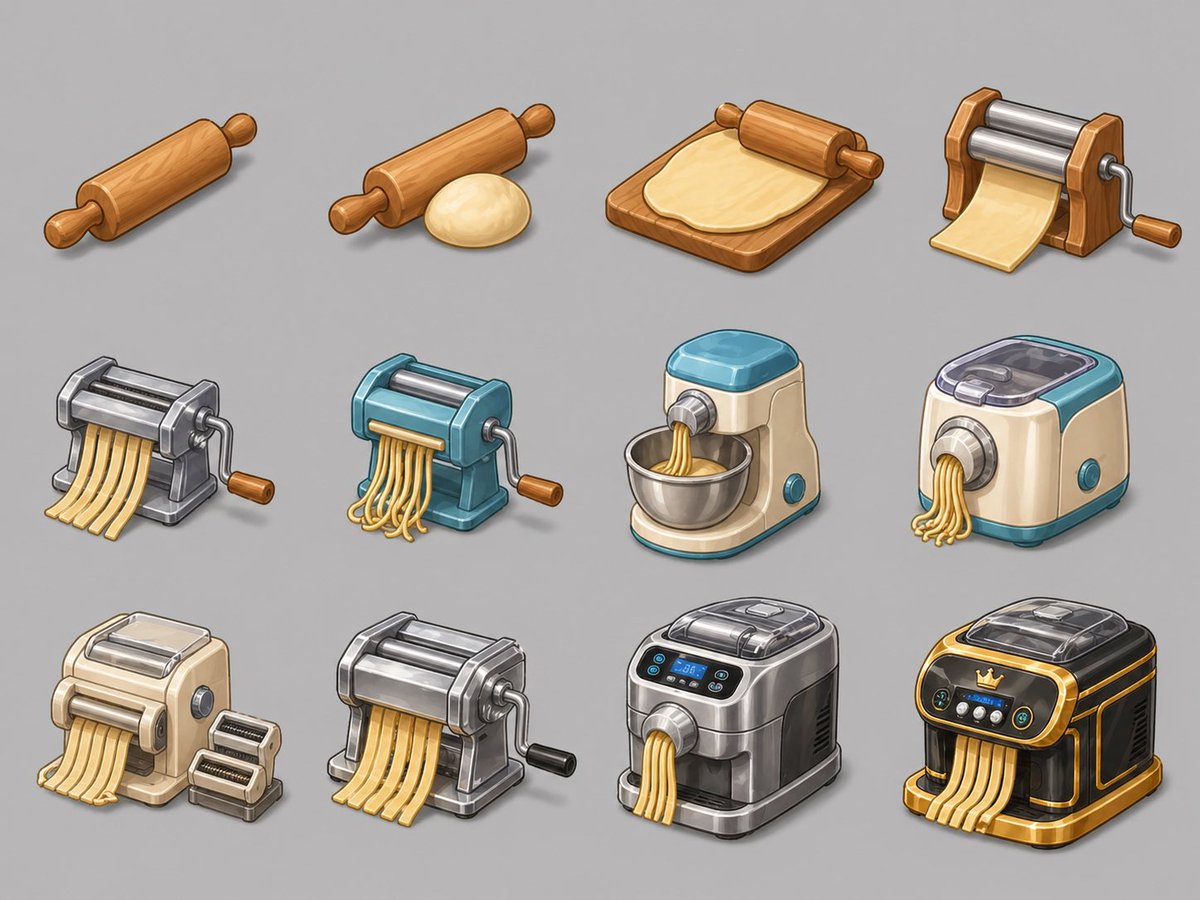
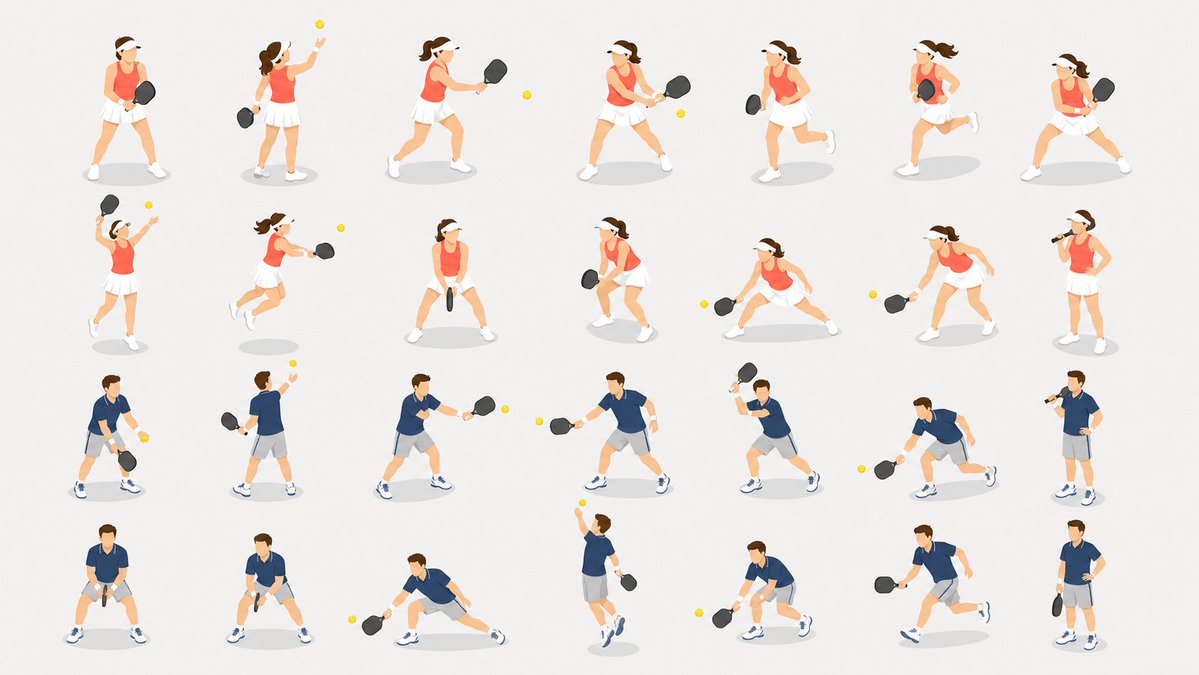
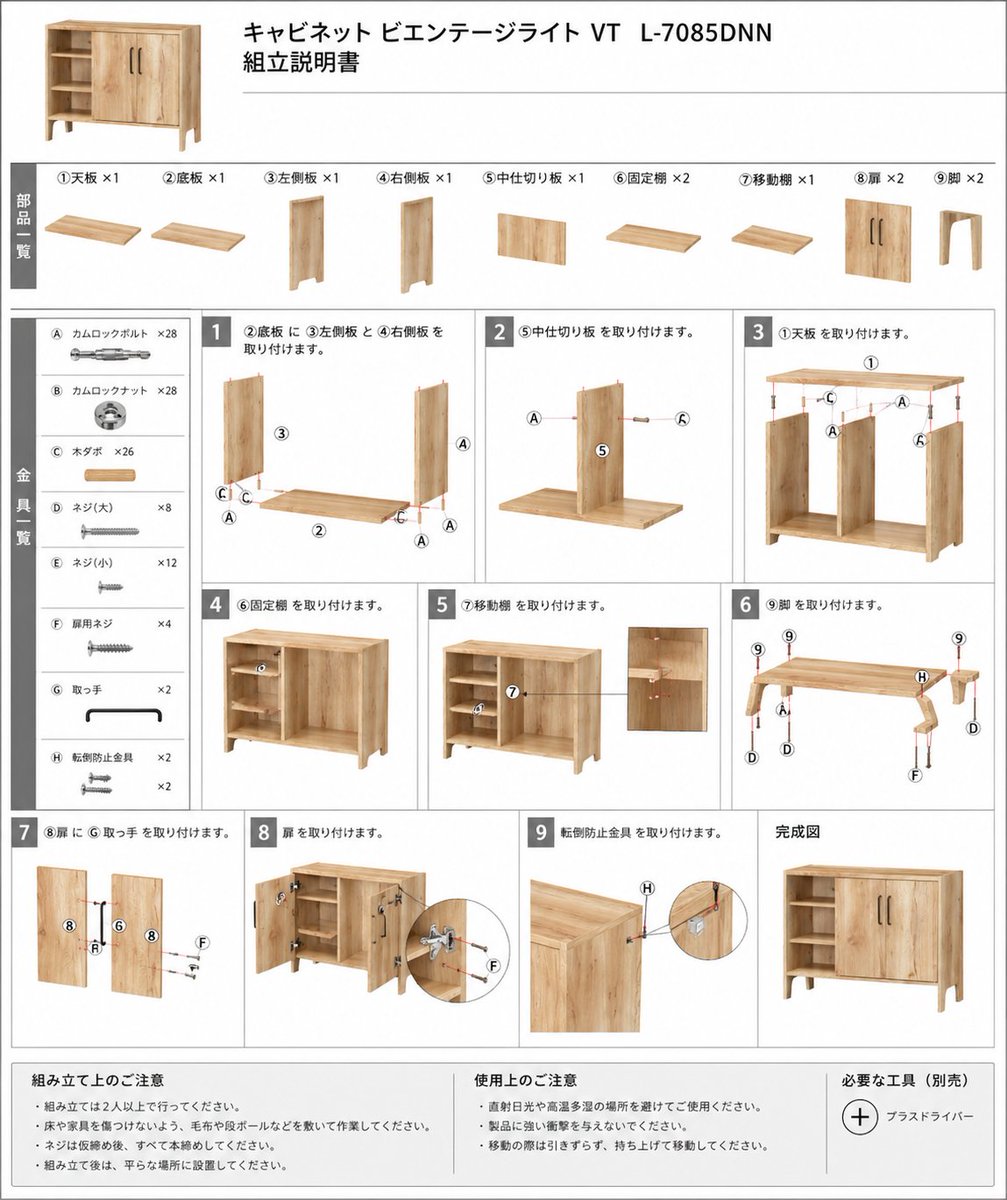
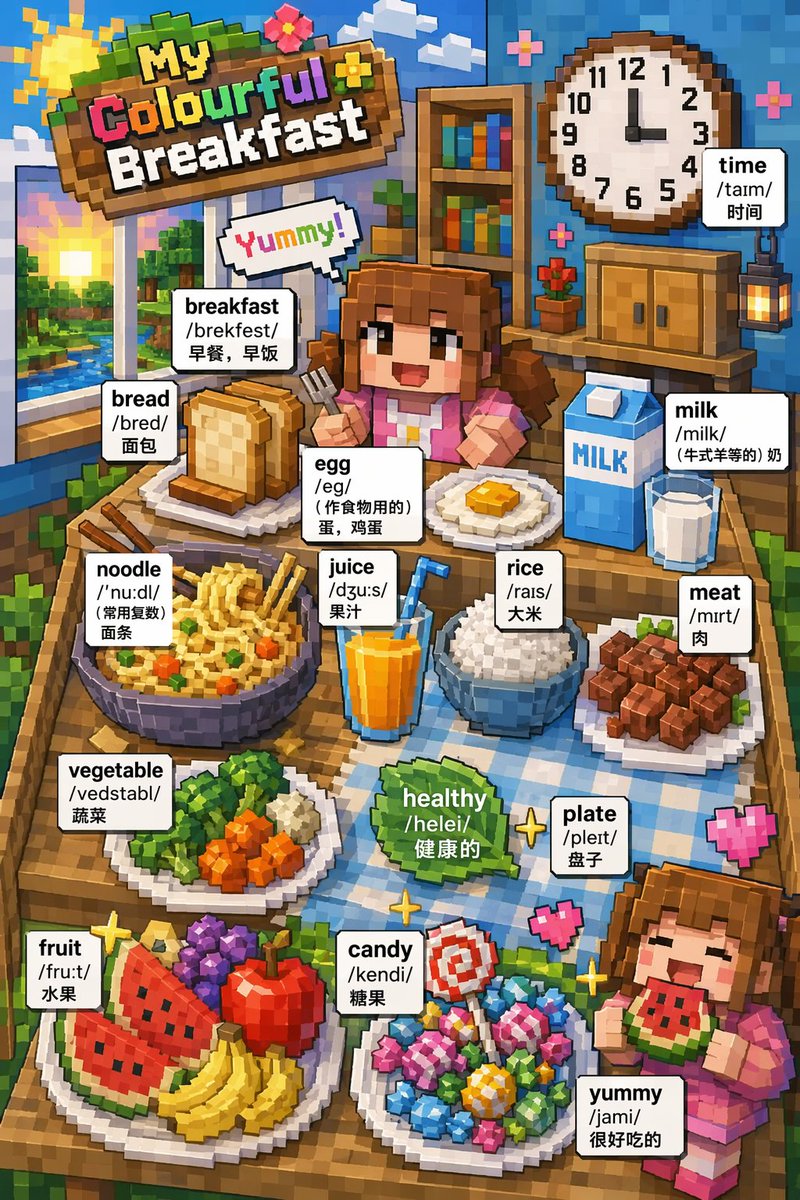
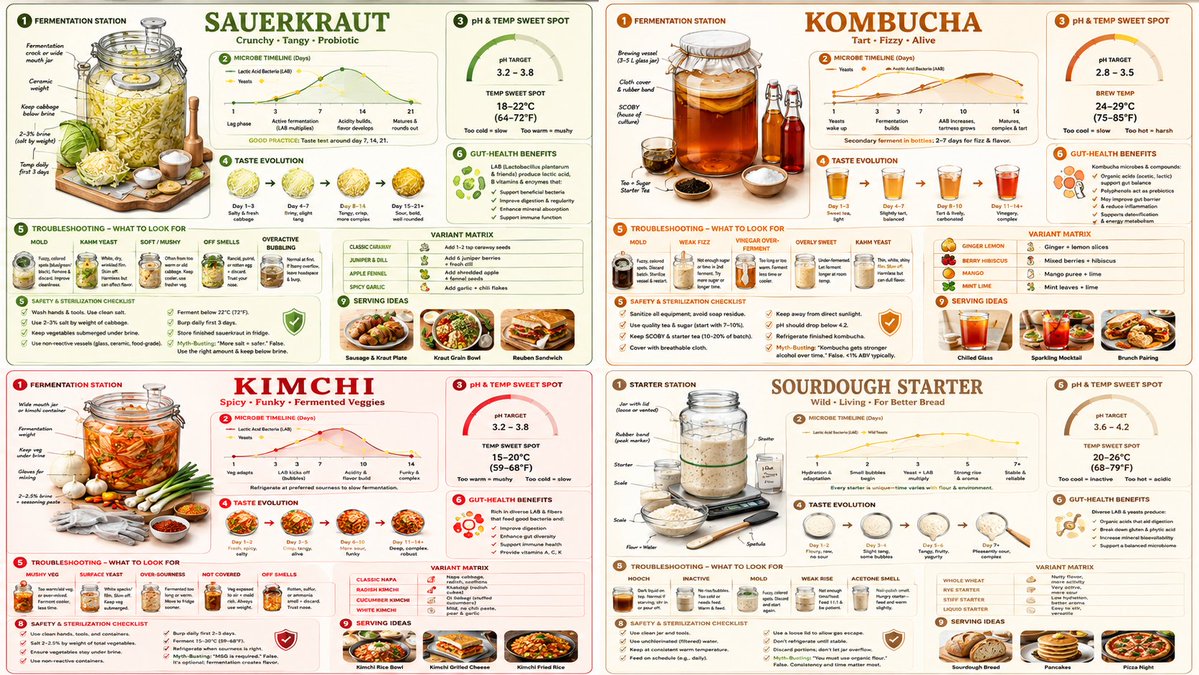
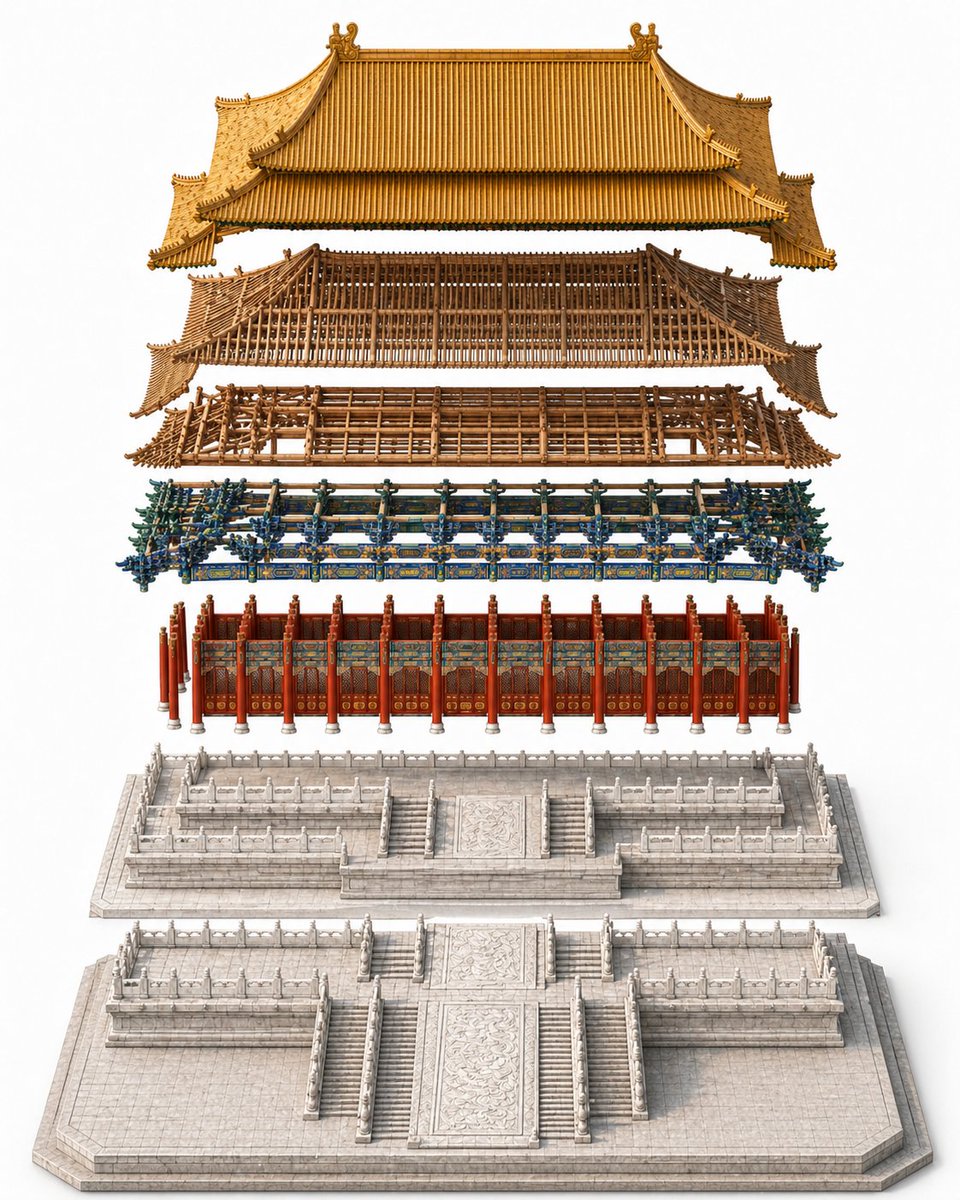
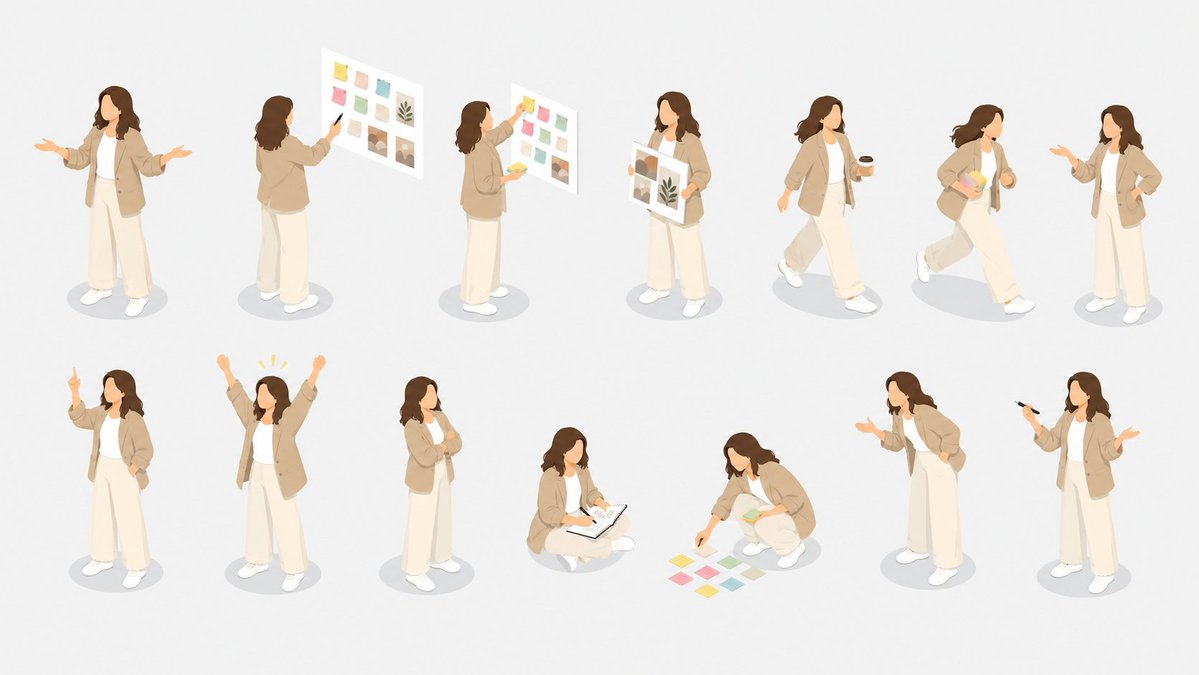
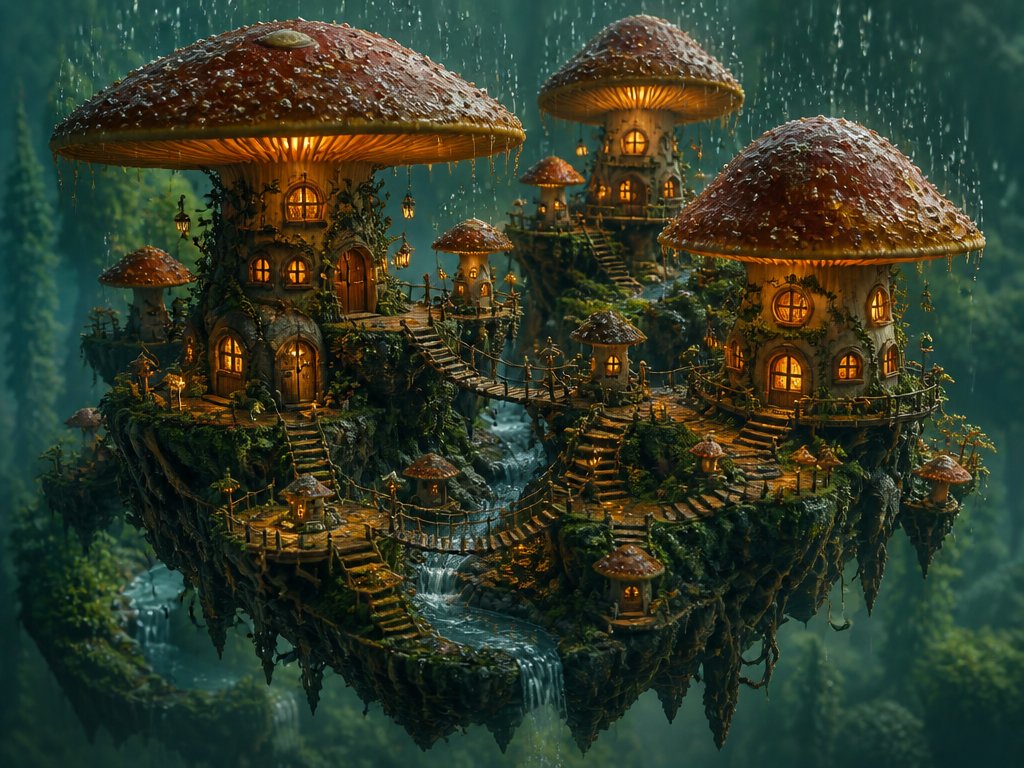
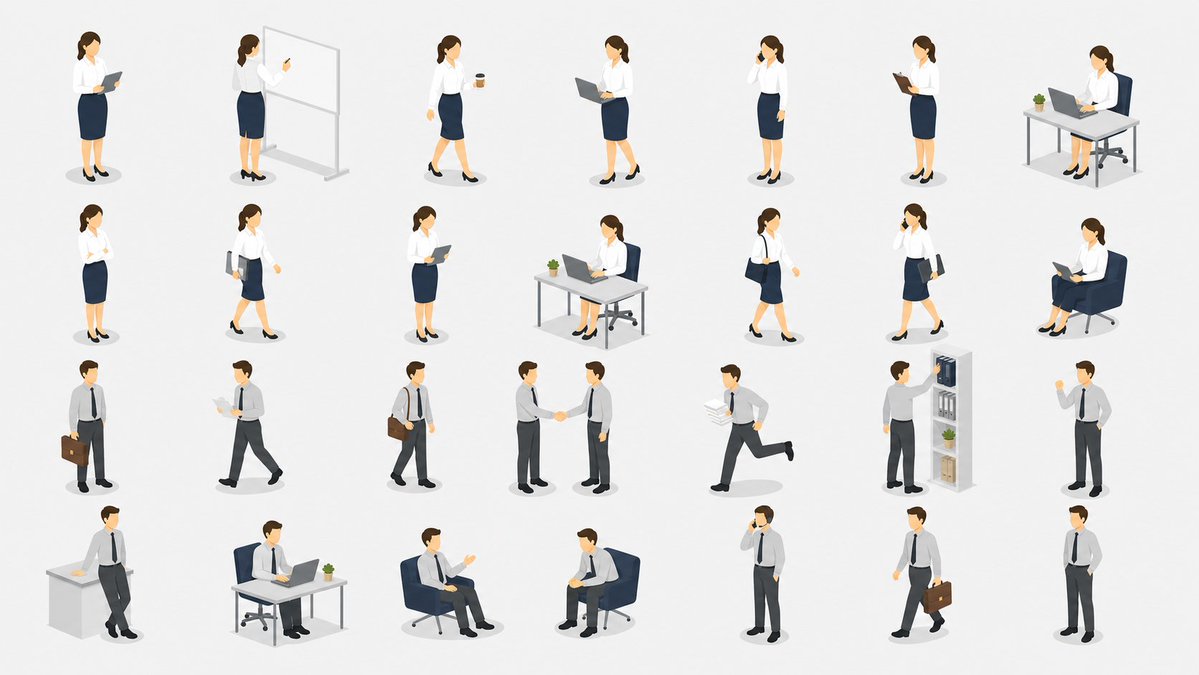
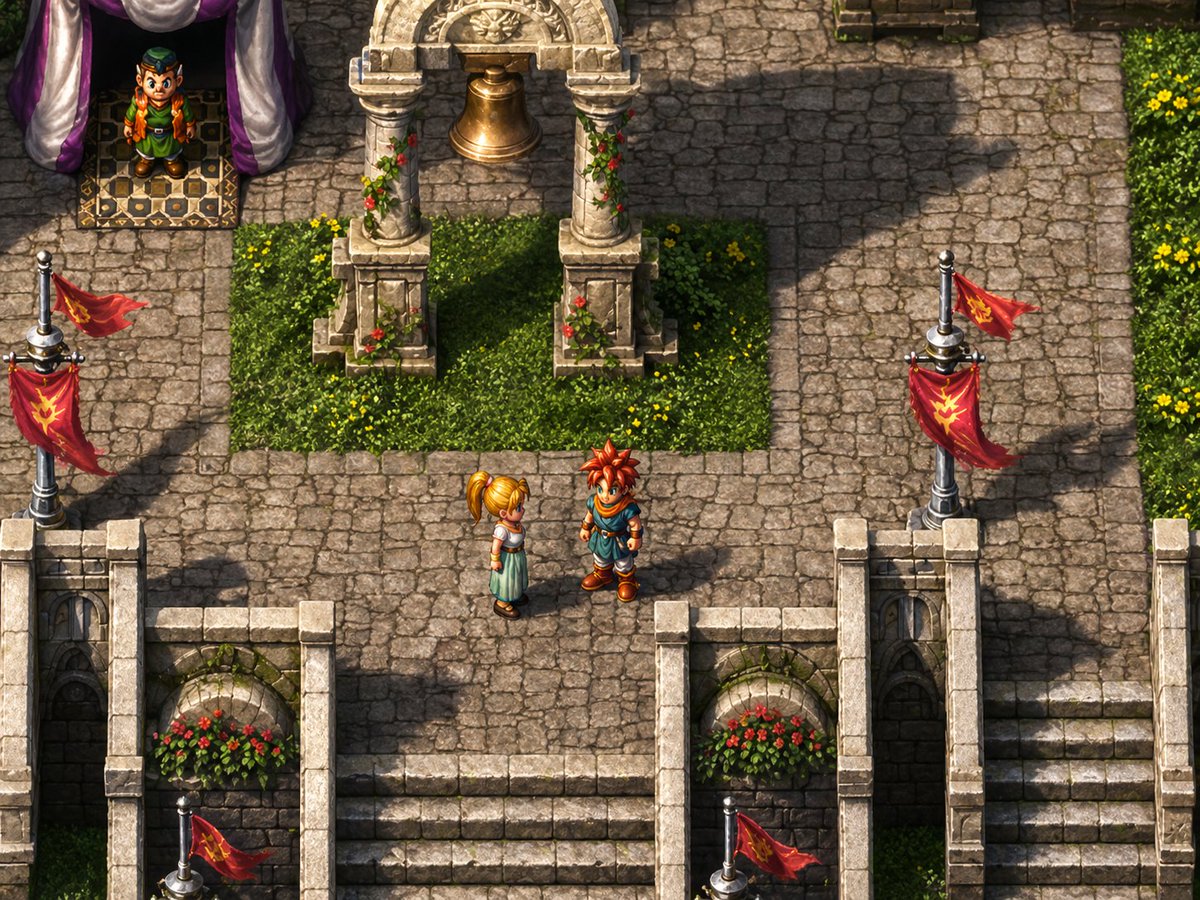
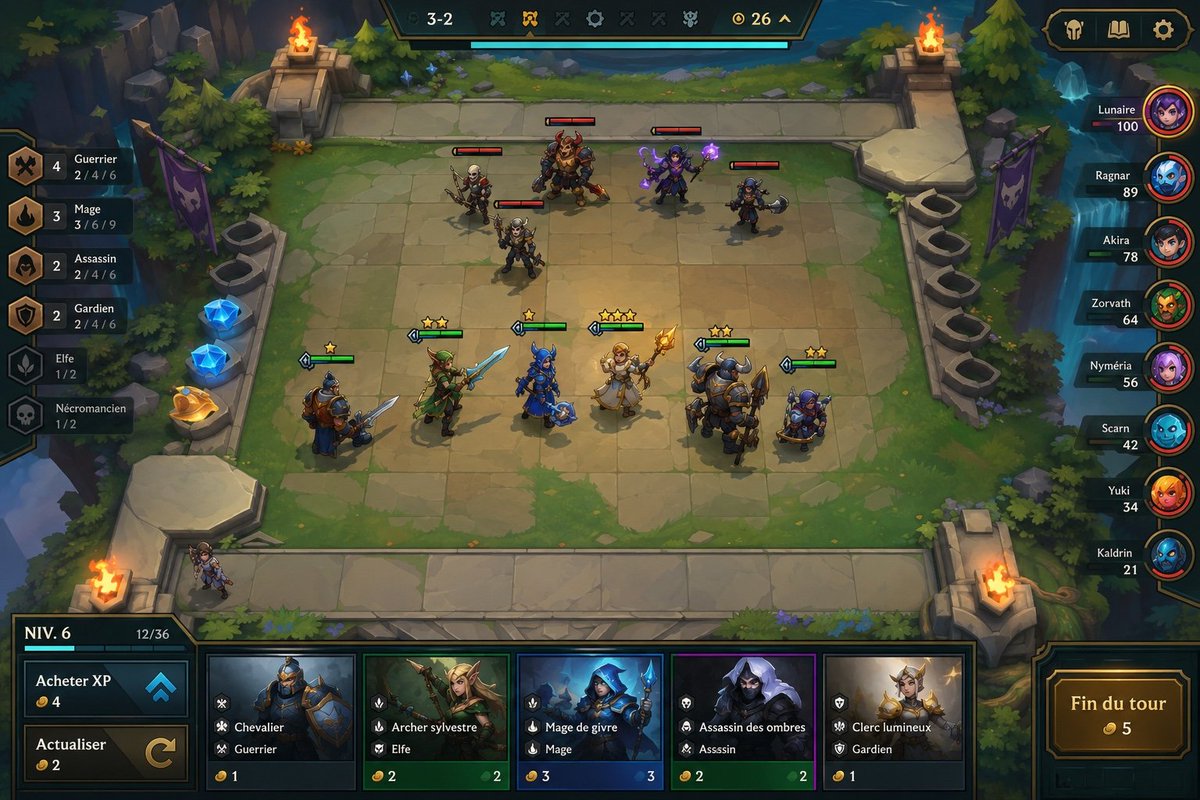
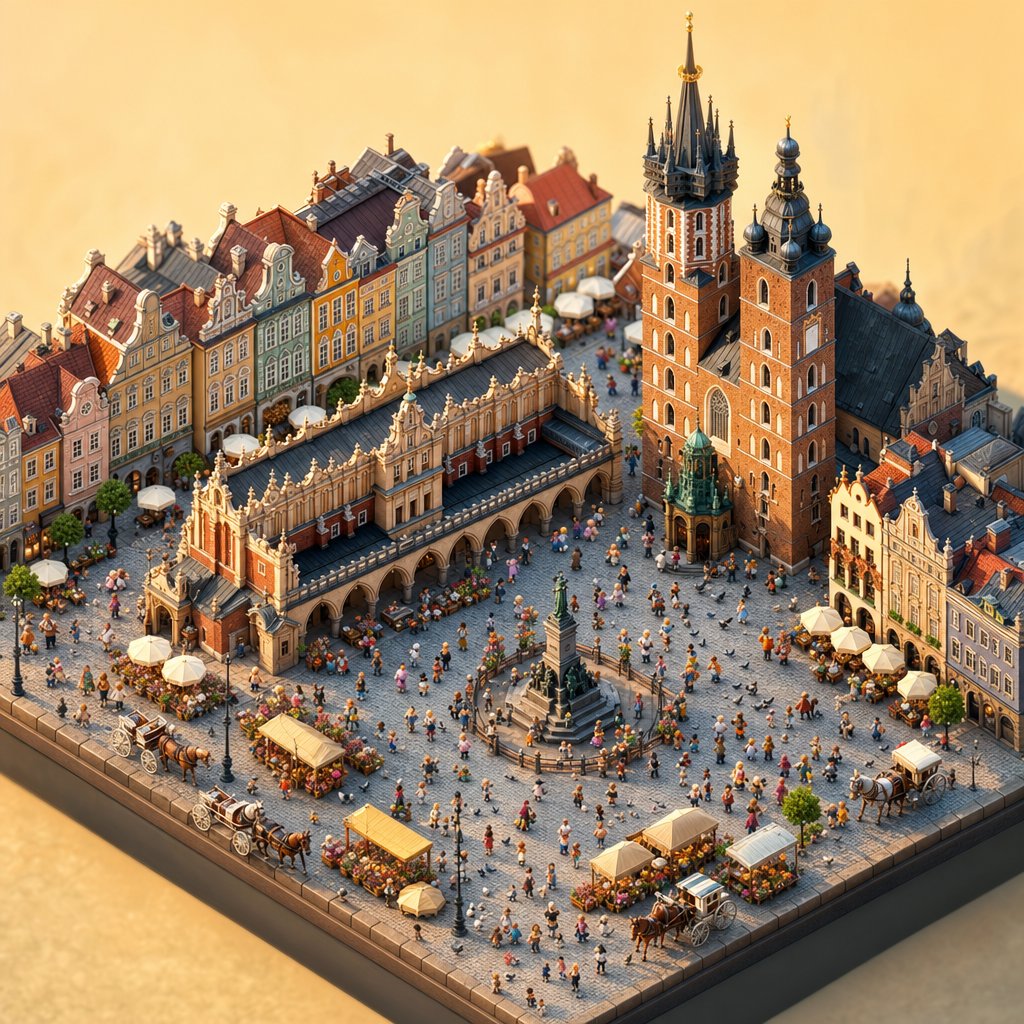
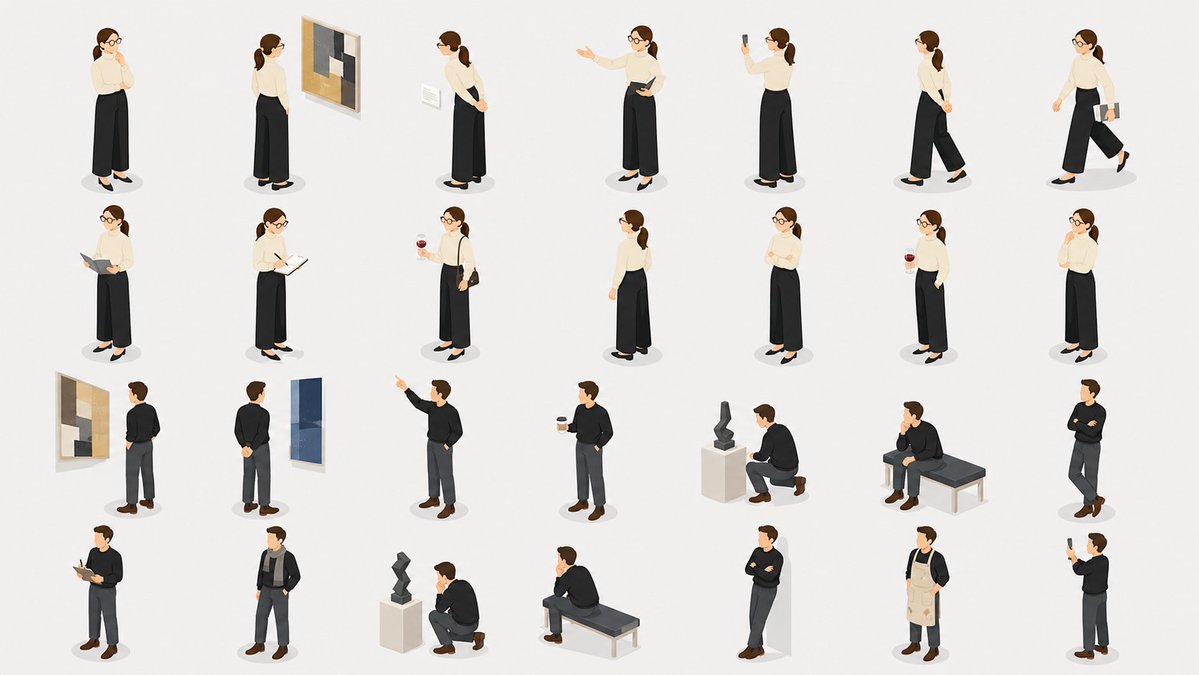
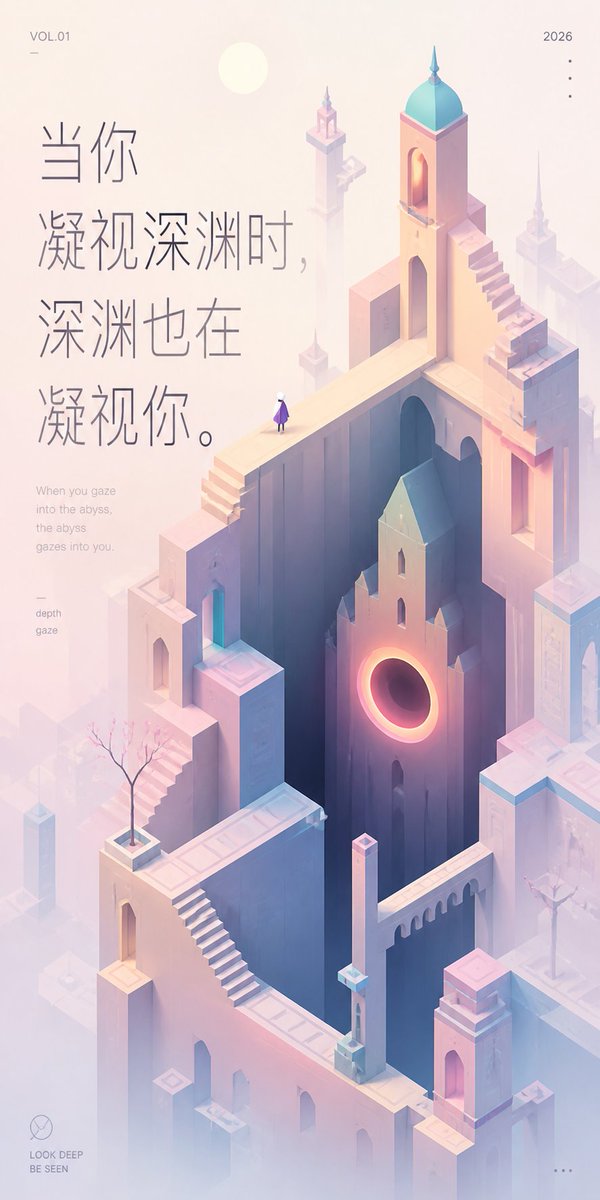
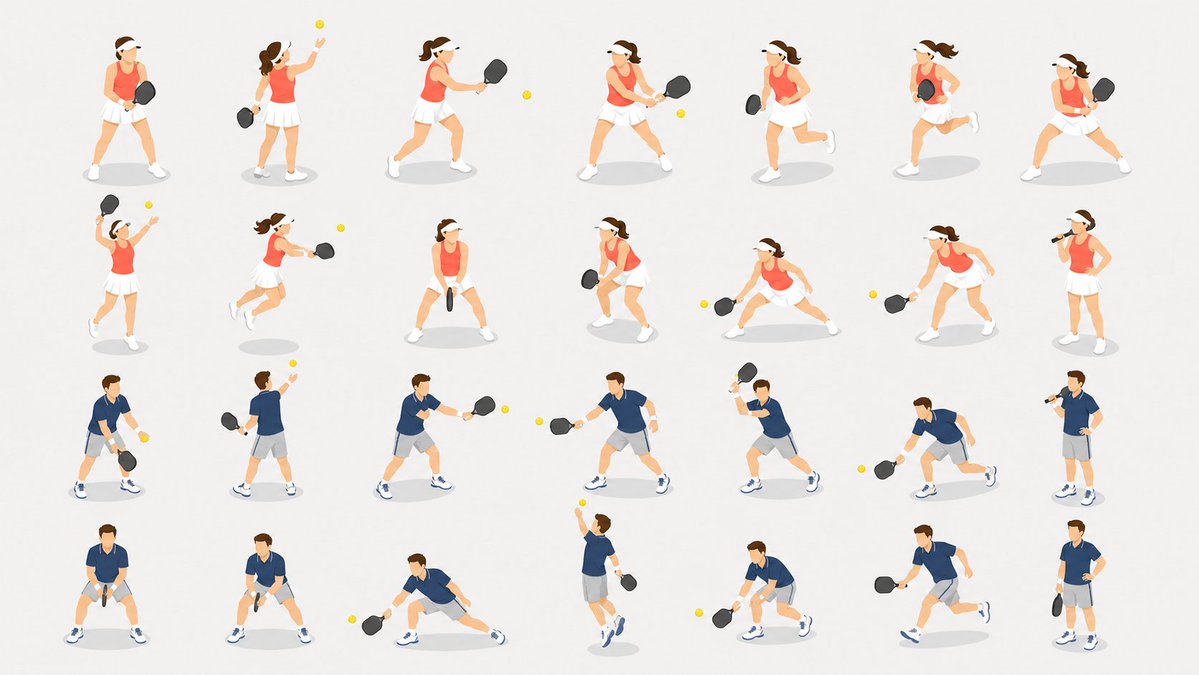
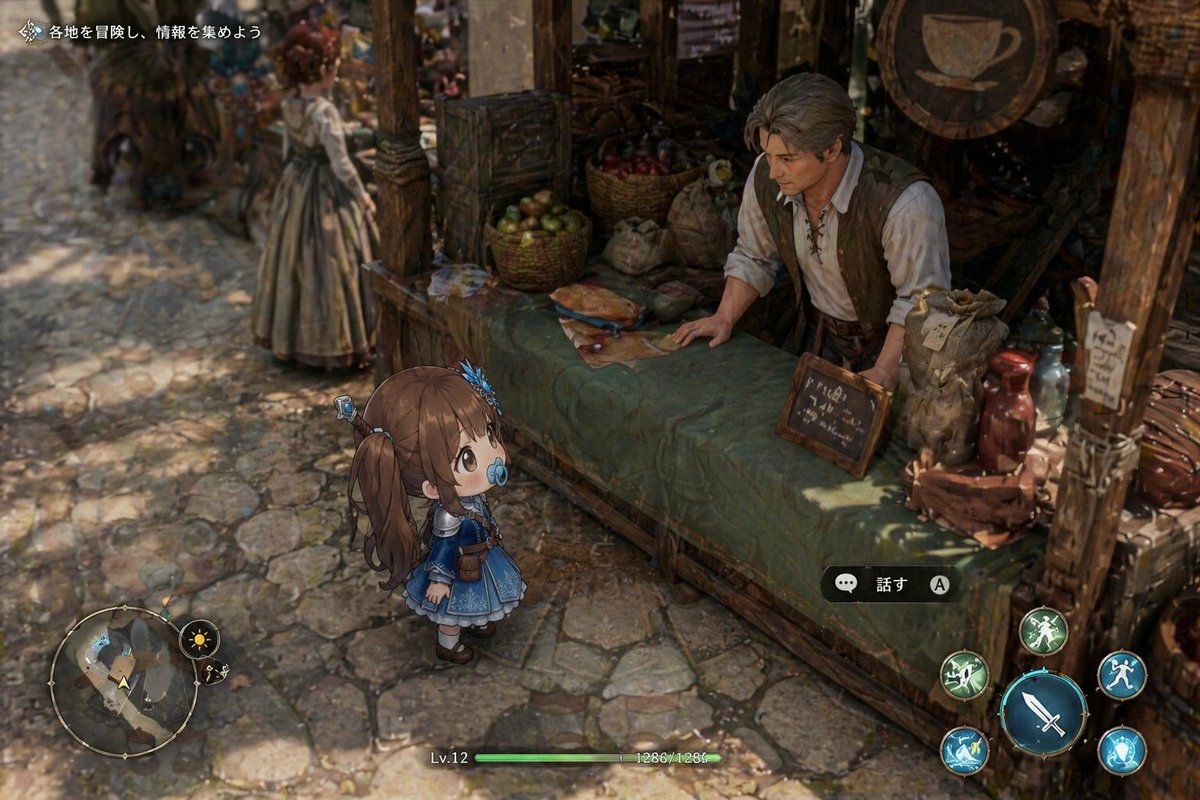
Explore 91 GPT Image 2 examples for isometric. Each page keeps source attribution, prompt text, adaptation guidance, and commercial-use cautions close to the case grid.
What are isometric AI image prompts?
They are GPT Image 2 prompt examples grouped around isometric, with copy-ready text, visual references, attribution, and commercial-use cautions so creators can adapt the structure safely.
How should I reuse a isometric prompt?
Start from the prompt structure, then change the subject, composition, style cues, constraints, and output goal. Check the source attribution before using the result in client or paid work.
Are these isometric prompts safe for commercial projects?
The page keeps source and licensing context visible, but commercial use still needs case-by-case review for brands, characters, likeness, logos, source images, and third-party artwork.