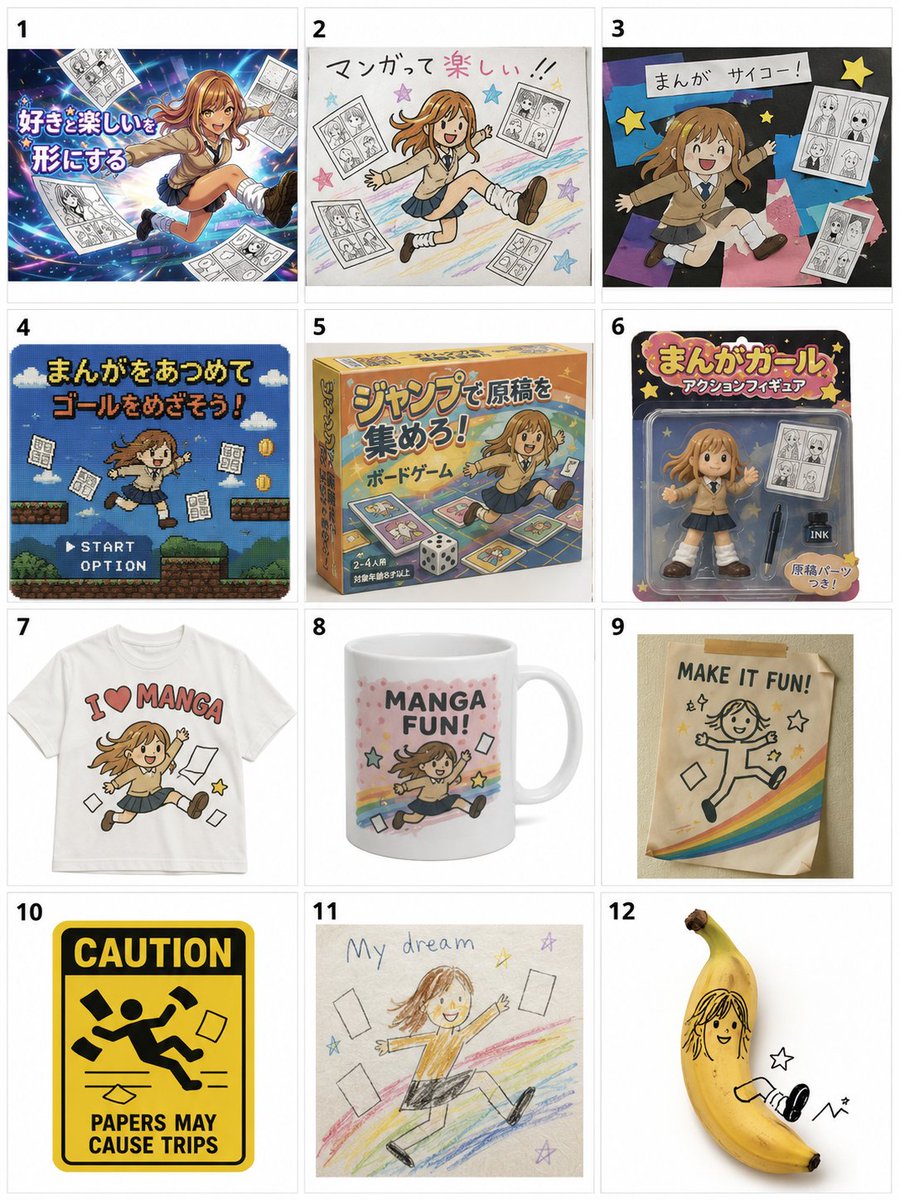
Misordered Image Relay Grid
A complex creative prompt that transforms an input image through 12 stages of intentional 'misinterpretation' by imaginary sequential creators, resulting in a humorous 3x4 evolution grid.
This is a gpt-image-2 prompt case for 插画艺术. Use the copy-ready prompt below to generate similar visuals, and review YouMind OpenLab awesome-gpt-image-2 attribution plus commercial-use rights before reuse.

Prompt
Copy-ready prompt
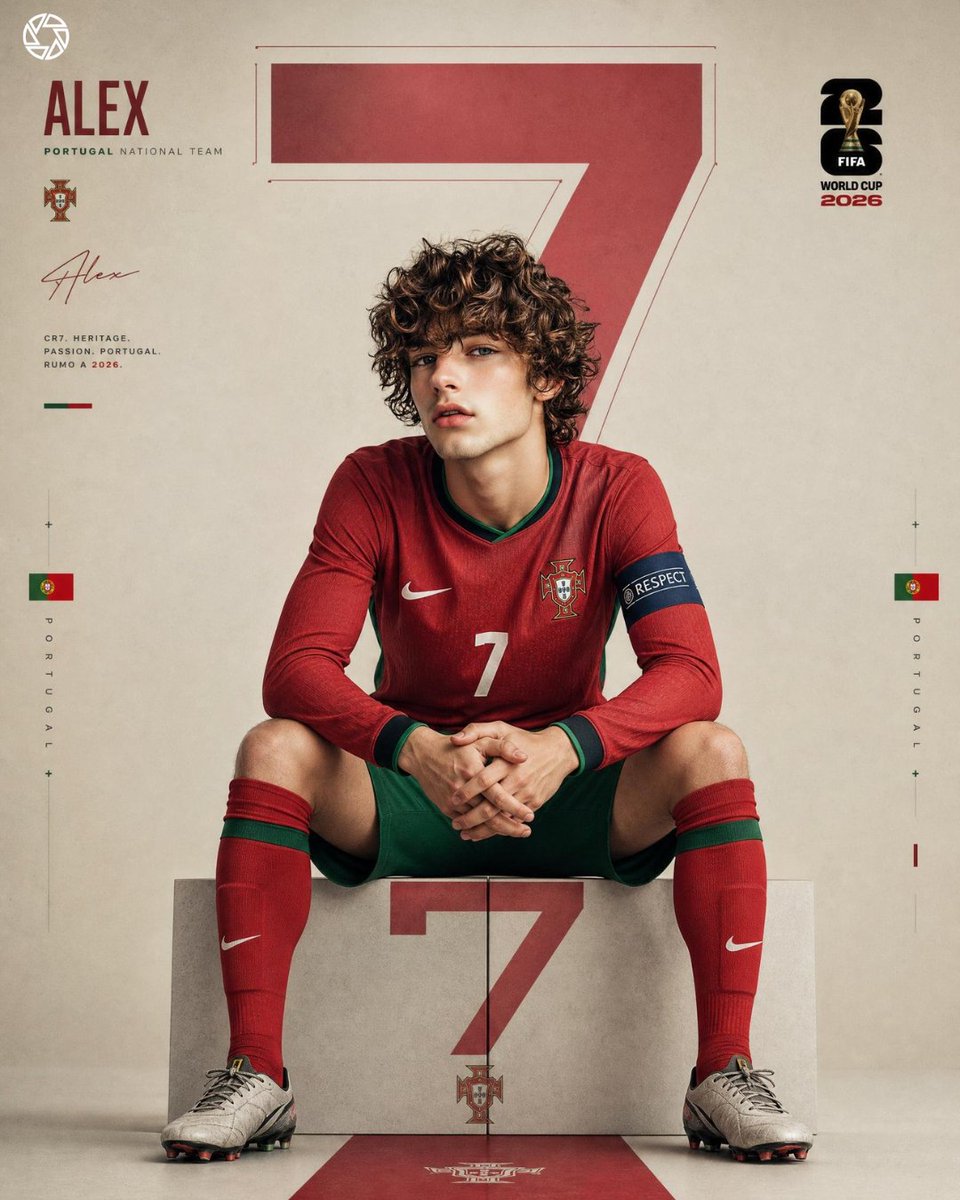
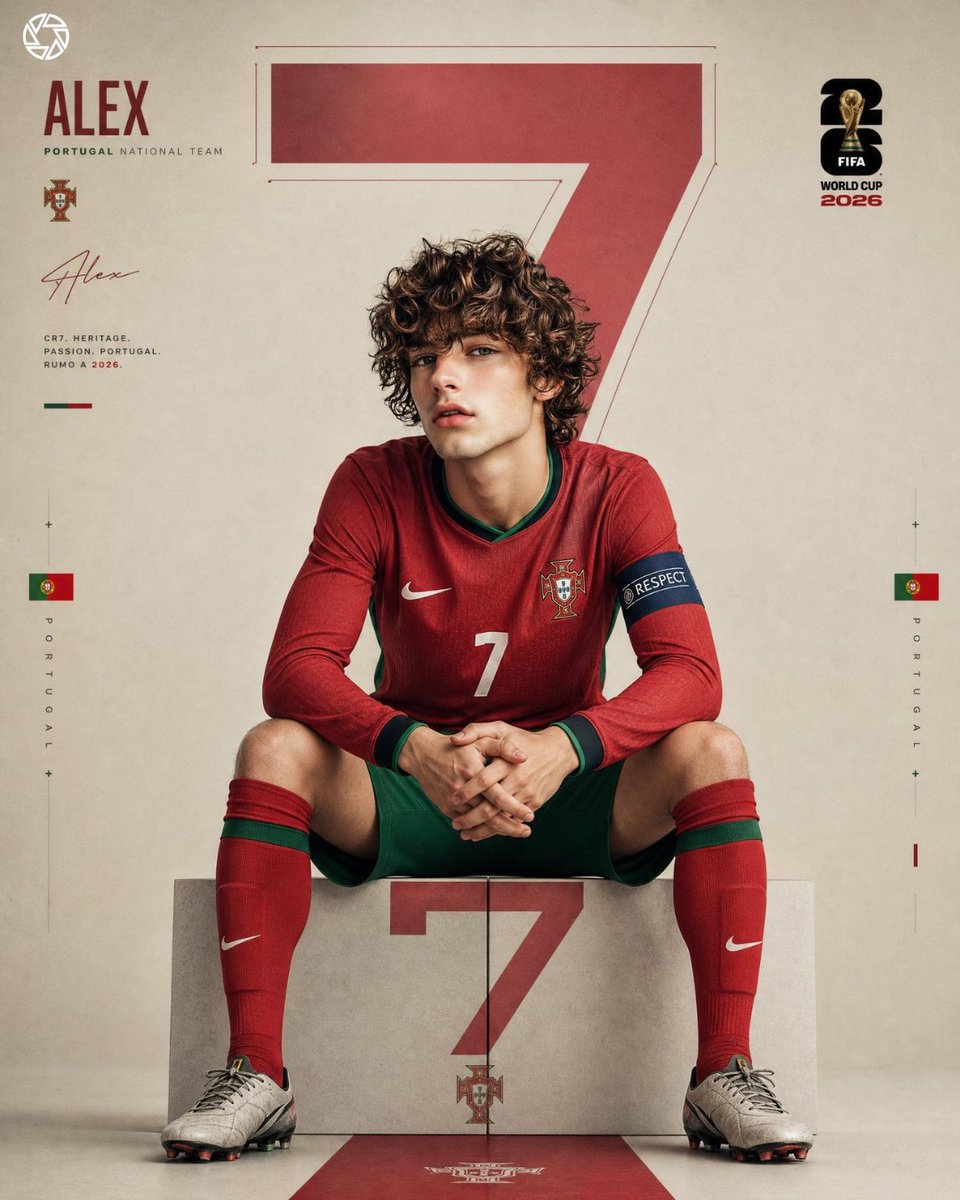
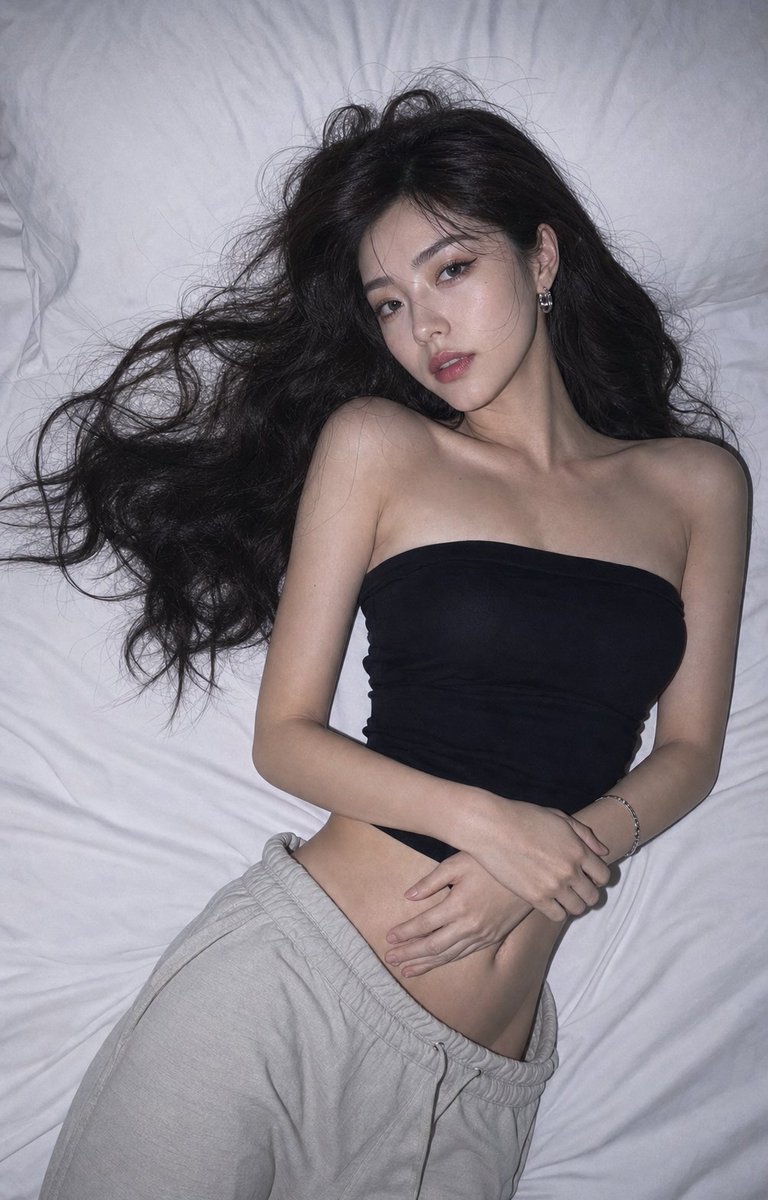
Arranged based on the attached images{argument name="quantity" default="12 versions"} And put one{argument name="grid" default="3x4"} Imagine an image being passed sequentially to 12 different people, each seeing only what the previous person created and mistakenly assuming "this must be what was requested" or "this is for this purpose," thus redesigning it. The atmosphere of the first frame should be very close to the original. As the frames progress, allow the shape, color, expression, pose, composition, theme, and mood of the original image to be gradually misunderstood, simplified, and transformed for different uses, deviating from its original meaning and appearance. Each frame should look as if it were remade by someone who only saw the previous frame and judged "this must be what was requested." Make changes naturally based on the content of the original image (whether it's a person, character, pet, food, landscape, architecture, or portrait). Don't rigidly fix the intermediate changes. It can be misunderstood as an illustration in one frame, a mascot in the next, or a commercial product, logo, flyer, plush toy, food packaging, tourist souvenir, warning sign, game character, mystery toy, reference icon, or handicraft in the next. The direction of change should naturally relate to the appearance of the original image and the previous frame. As the frame count progresses, make it look like "you can tell someone tried to do it well, but they slightly misunderstood the requirements." Let the shapes, proportions, eyes, mouth, outlines, color schemes, textures, uses, decorations, and composition shift slightly, resulting in an unexpected and humorous look in the latter half. The key isn't image degradation or noise, but making it look like a breakdown caused by a human misunderstanding the previous result while reconstructing for different purposes. In the latter half, don't completely erase the original image's features; instead, unnaturally retain one or two elements such as color, outline, expression, hairstyle, clothing, accessories, pose, composition, or theme. Meanwhile, other elements can be boldly omitted, transformed, misunderstood, or turned into something else. Make the 12th frame bold enough that only those familiar with the original image can barely perceive its source, while for first-time viewers, it looks like a completely different mysterious entity, product, character, artifact, icon, or mascot. End with an unexpected and slightly comical ending, prompting the exclamation, "Why did it turn out like this?!" Make every frame look different. Keep the background white and simple, organized into a 3x4 grid for easy viewing of the 12 variations. In later frames, don't make it too neat; instead, let one person's misconception be further misunderstood by the next. In the 12th frame, make a bold change so that one feature of the original image is strangely preserved, while everything else is almost entirely different.Prompt variables
Editable argument placeholders found in the prompt, with their default values.
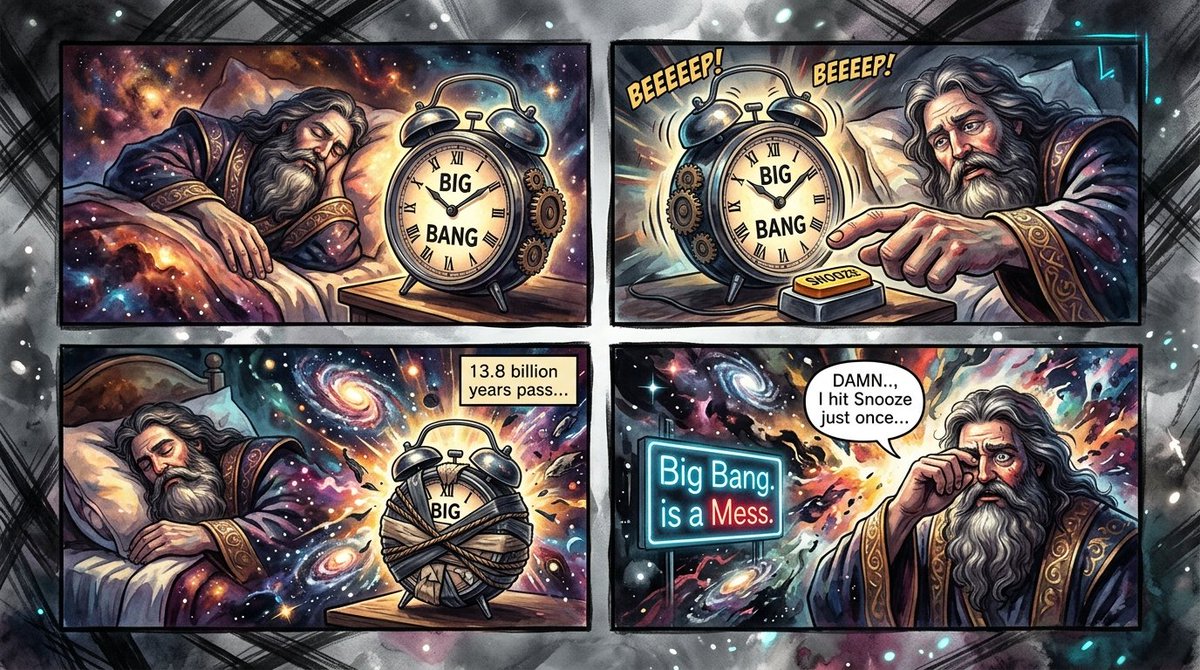
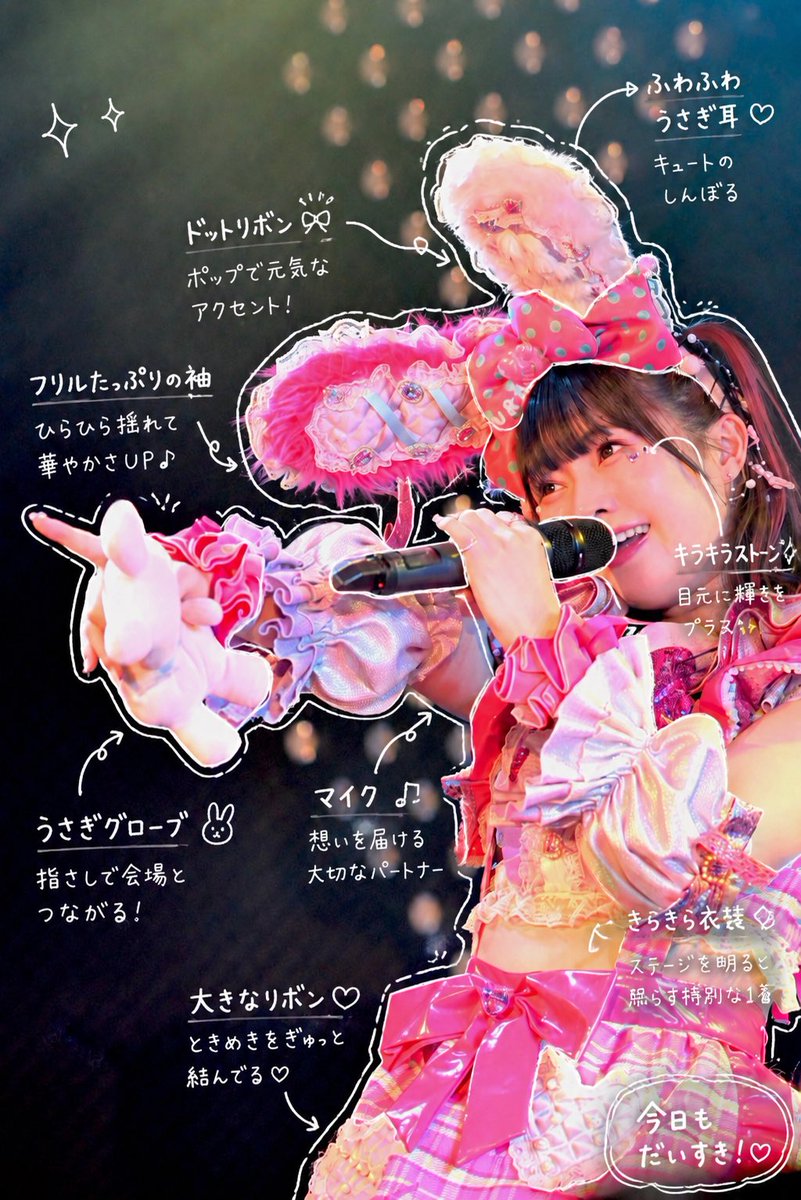
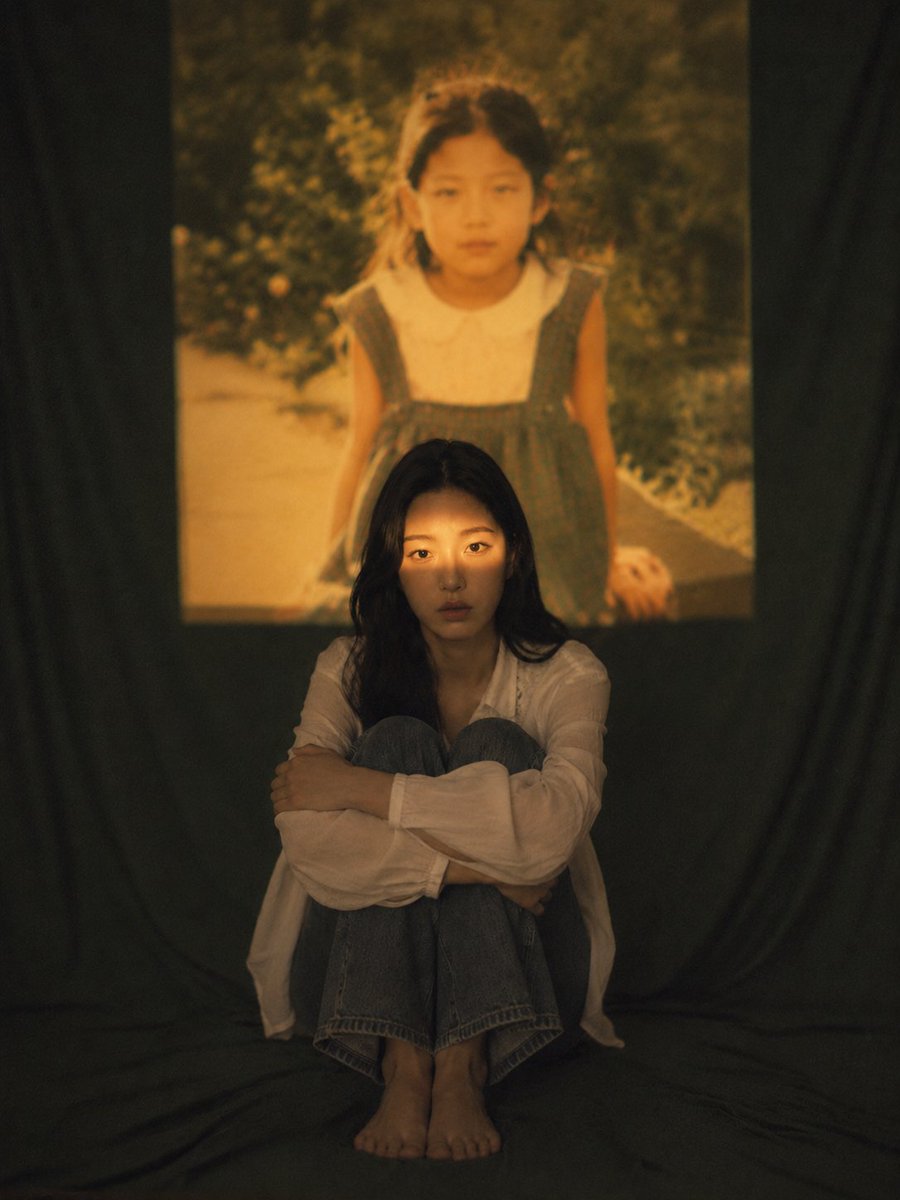
More cases in this category
Prioritized by category, input mode compatibility, quality, and lower risk.
Reuse and source notes
Use this prompt safely after previewing the case.
- 1.Copy the prompt or open it directly in Dovoo with the generation button.
- 2.Adjust variables, aspect ratio, and reference images for your own use case.
- 3.Before publishing or paid usage, verify source rights, attribution requirements, and brand or likeness risks.
Can I use this prompt commercially?
Commercial-use status is unknown. Review the original source, license, brand constraints, and legal requirements before paid usage.
Where does this case come from?
This case is imported from YouMind OpenLab awesome-gpt-image-2; keep attribution visible and check the source URL before reuse.