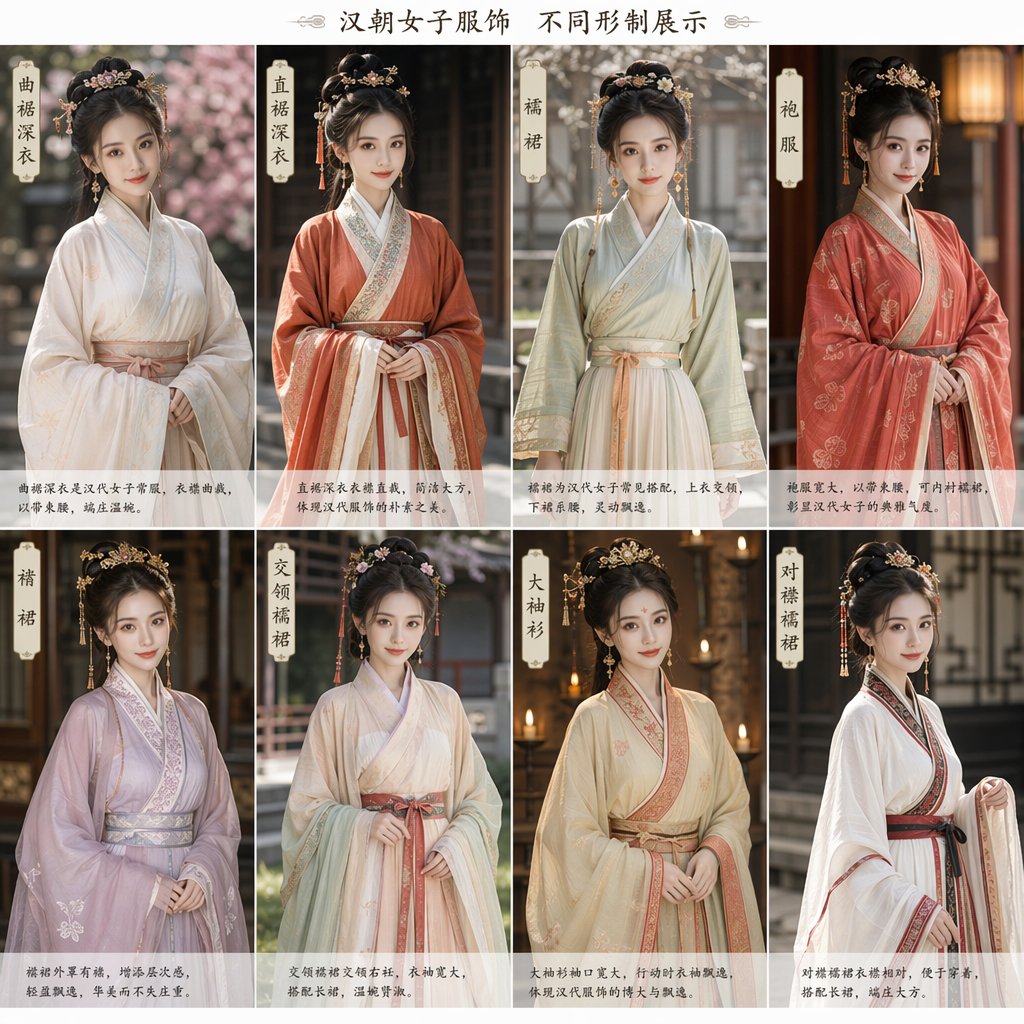
Eight-Panel Hanfu Clothing Reference Poster
Generates a square Chinese Hanfu fashion reference poster comparing eight traditional women's clothing forms in a photorealistic educational layout.
This is a gpt-image-2 prompt case for 平面海报. Use the copy-ready prompt below to generate similar visuals, and review YouMind OpenLab awesome-gpt-image-2 attribution plus commercial-use rights before reuse.
Prompt
Copy-ready prompt
Objective: To create an exquisite vertical reference poster of Chinese clothing, showcasing {argument name="poster title" default="Display of different styles of women's clothing in the Han Dynasty"} This poster presents full-body portraits of eight young Han Dynasty women dressed in different historical styles of clothing. The poster should have a museum-quality feel, reminiscent of a Hanfu (traditional Han clothing) guide, elegant and photographic, using soft, cinematic lighting and realistic fabric textures. Canvas: 1:1 square composition, off-white paper background, narrow border, high-resolution editing layout. A Chinese title is placed at the top center, flanked by small auspicious cloud decorations. Layout: A neat 4-column, 2-row grid is used, arranging eight portrait panels. Each panel centers on a standing woman from knee to head, with a soft-focus background of a palace, garden, lanterns, or courtyard. Each panel has a small vertical beige label in black Chinese calligraphy at the top left or top edge. Each panel has brief Chinese explanatory text at the bottom, placed on a light-colored semi-transparent strip in a small brush-style font. Subject details: All eight models are young Chinese women, with elegant Han-style hairstyles, adorned with ornate gold floral hairpins and dangling tassels, exquisite makeup, and dignified postures with their hands clasped at their waists. The face should be softly blurred or presented as a smooth, oval skin tone, while the clothing and accessories remain clear. Utilize realistic layered silks, embroidery, gauze sleeves, belts, cross-collars, and warm, soft hues. Eight sections, from left to right, top to bottom: 1. Tag: "Quju Shenyi" — White Quju Shenyi, layered cross-collar, light pink belt, wide sleeves, background: cherry blossom garden. 2. Tag: "Zhiju Shenyi" — Rust-orange Zhiju Shenyi, beige lining, embroidered collar, wide sleeves, dignified frontal posture. 3. Tag: "Ruqun" — Light green short Ruqun paired with a beige skirt, soft peach belt, light embroidered trim, background: outdoor courtyard. 4. Tag: "Paofu" — Magnificent red robe adorned with floral embroidery, dark inner collar, background: brightly lit interior, enhancing its luxurious and solemn feel. 5. Tag: "Ruqun" — A light purple ruqun with semi-transparent sleeves, white embroidered patterns, and a pale purple belt, set against a warm palace interior. 6. Tag: "Jiaoling Ruqun" — A beige and light mint green ruqun with a cross-collar, a dark red belt, and flowing layered sleeves, set against a garden pavilion. 7. Tag: "Daxiu Shan" — A light gold beige daxiu shan with red embroidered collar and wide, draped sleeves, set against a candlelit hall. 8. Tag: "Diejin Ruqun" — A white diejin ruqun with red and black trim, a dark red belt, and a single hand holding a sleeve, set against a geometric wooden screen. Visual Style: A realistic blend of GPT-image-2 fashion photography and historical costume illustration, with shallow depth of field, warm natural light, and a delicate silk sheen, using soft tones of beige, coral, pale purple, green, gold, and red. Tags and descriptions use traditional Chinese fonts. Text restrictions: Headings must strictly adhere to the format of {argument name="poster title text" default="Display of different styles of women's clothing in the Han Dynasty"} All eight vertical clothing tags must be identical to the list. Descriptions may be brief, visually appealing, and neatly arranged in Chinese; however, additional sections, categories, logos, watermarks, or modern clothing items are strictly prohibited.Prompt variables
Editable argument placeholders found in the prompt, with their default values.
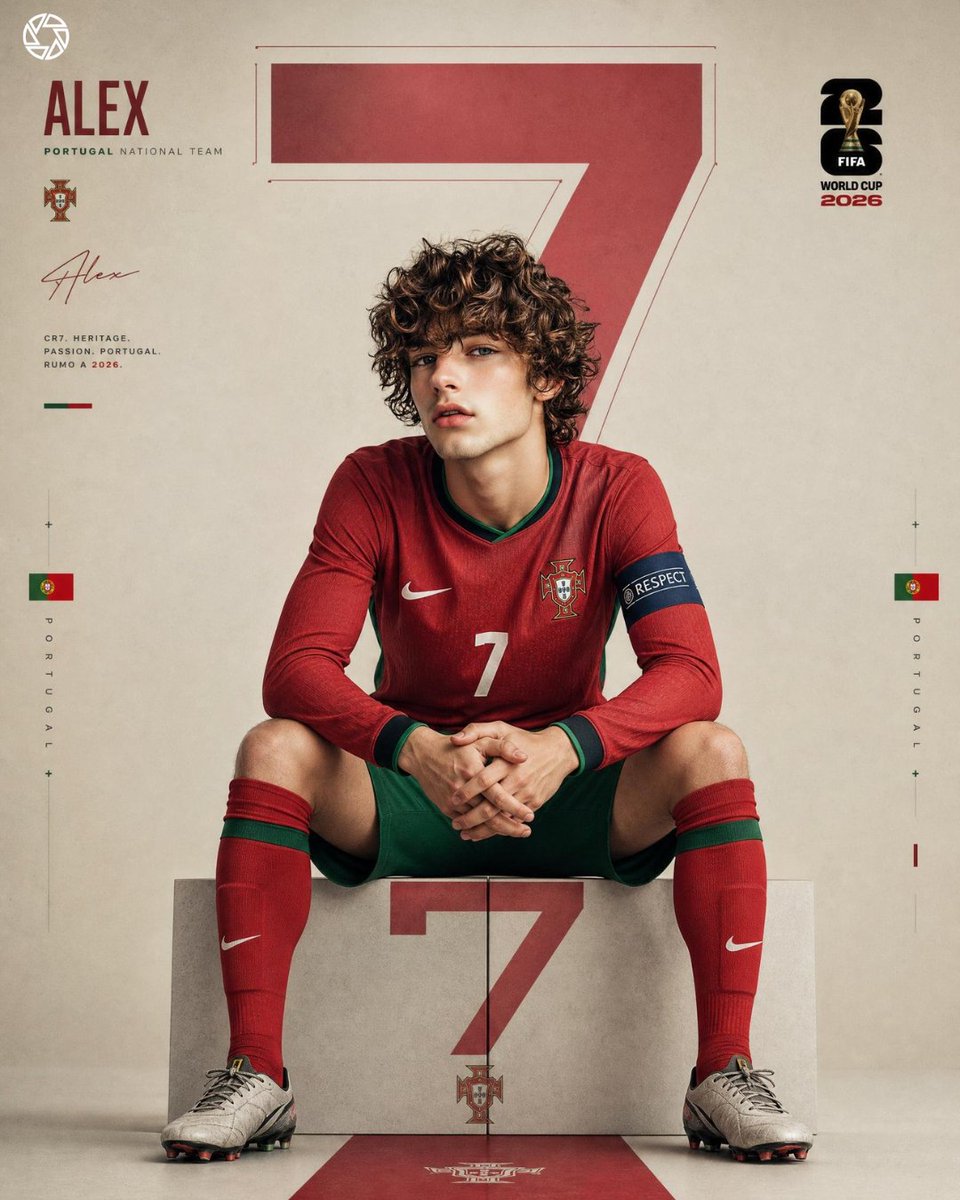
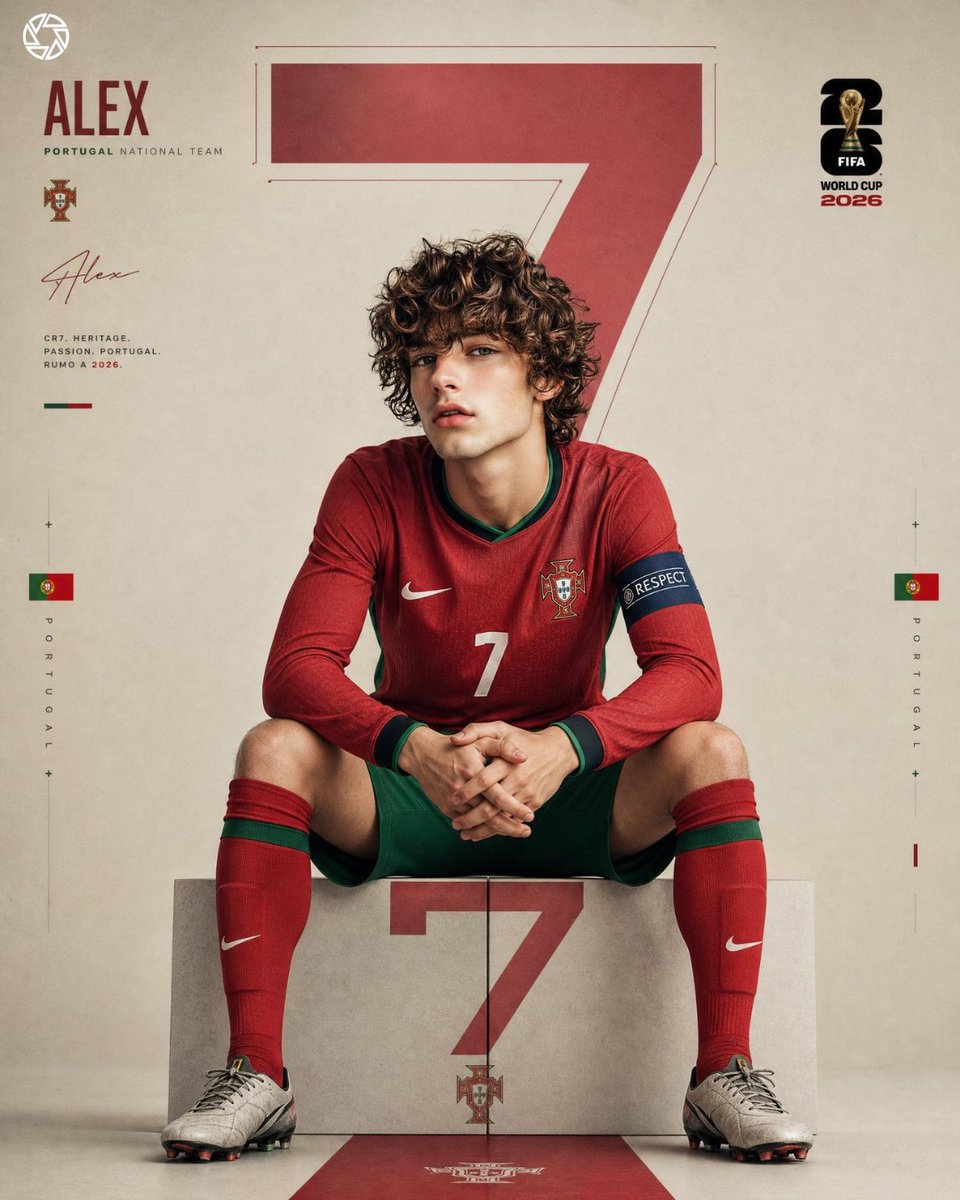
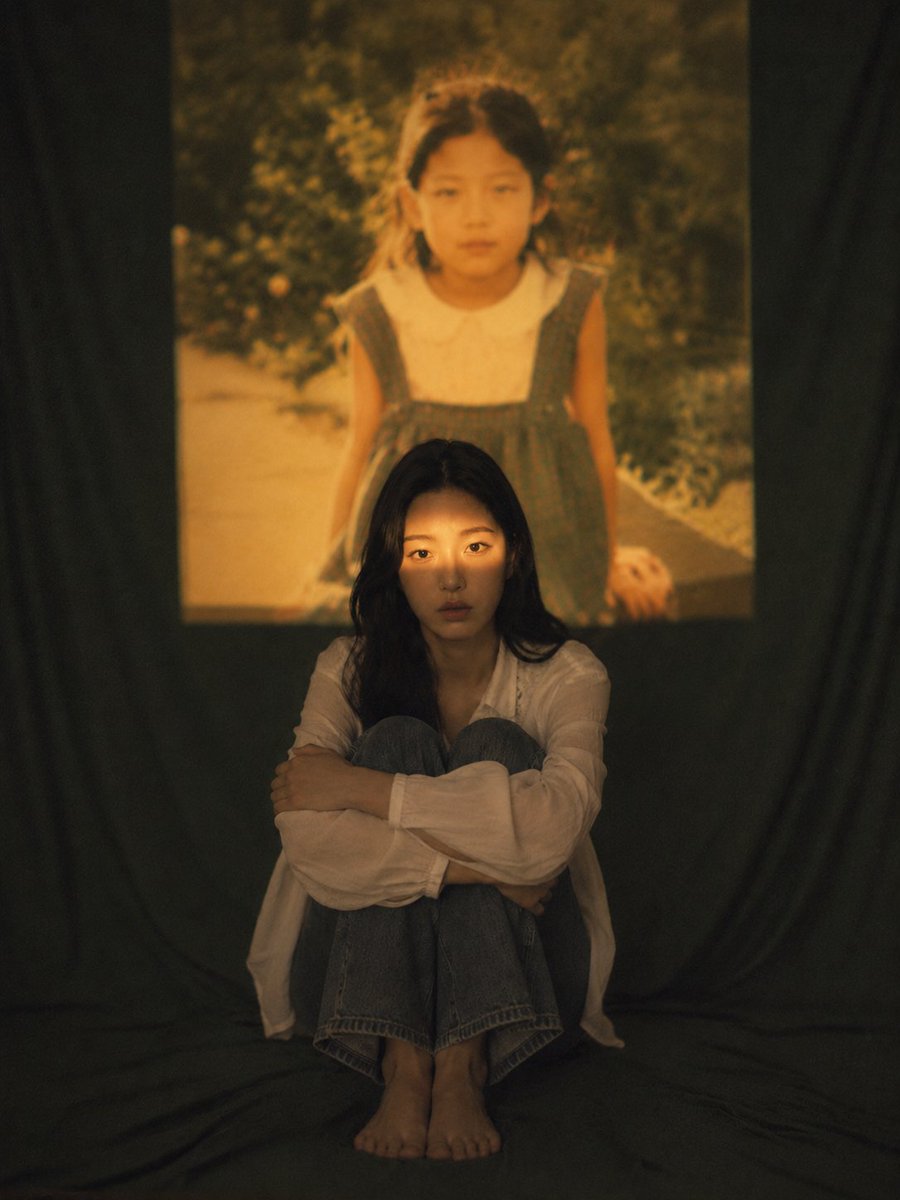
More cases in this category
Prioritized by category, input mode compatibility, quality, and lower risk.
Reuse and source notes
Use this prompt safely after previewing the case.
- 1.Copy the prompt or open it directly in Dovoo with the generation button.
- 2.Adjust variables, aspect ratio, and reference images for your own use case.
- 3.Before publishing or paid usage, verify source rights, attribution requirements, and brand or likeness risks.
Can I use this prompt commercially?
Commercial-use status is unknown. Review the original source, license, brand constraints, and legal requirements before paid usage.
Where does this case come from?
This case is imported from YouMind OpenLab awesome-gpt-image-2; keep attribution visible and check the source URL before reuse.